Ever wondered why a strawberry still tastes like a strawberry, even when it’s not particularly sweet? Or why food tastes like cardboard when you have a cold? The answer is simpler, and more complex, than you might think. It’s because what we call “flavour” is mostly an illusion created by our brains¹. What happens on your tongue is just the opening act; the main event happens in your head.
That raises a key question for anyone who loves food and coffee: if flavour isn’t just taste, what is it? On one side, we have the five basic tastes. On the other hand, we have thousands of aromas, textures and even sounds that shape our experience. The truth is nuanced. Let’s explore the real science of flavour and why it’s more about your nose and brain than your taste buds.

Taste vs. Flavour: A crucial difference
We often use the words “taste” and “flavour” interchangeably, but in sensory science, they are worlds apart. Understanding this is key to appreciating the magic of eating, especially with something as complex as specialty coffee.
Taste is what happens on your tongue. Your taste buds are built to detect only five basic sensations: sweet, salty, sour, bitter and umami². These are the fundamental building blocks, providing critical information about nutrients (sweet, salty, umami) and potential dangers (sour, bitter)³. In coffee, this is the bitterness from caffeine or the bright acidity (sourness) in a light roast or from thousands of other compounds or flavonoids.
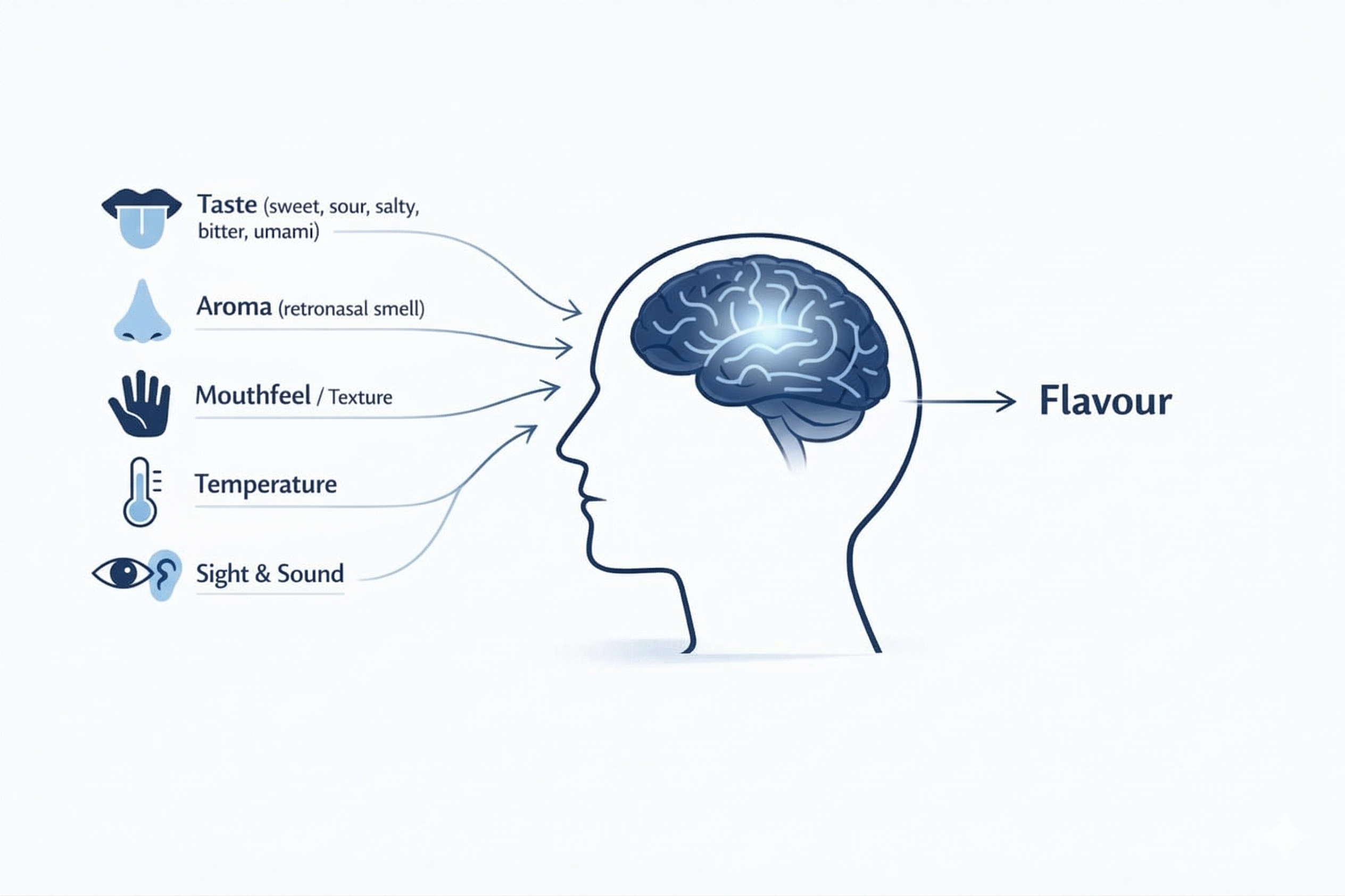
Flavour is the grand, unified experience constructed by the brain. It’s the seamless blend of those five basic tastes with aromas, textures, temperature and even the look and sound of the food⁴. Flavour is the difference between identifying a coffee as simply "bitter" and experiencing its notes of "dark chocolate, spice or stone fruit."
In this partnership, your sense of smell does most of the heavy lifting. Experts estimate that a staggering 80% of what we perceive as flavour comes directly from aroma⁴. It’s what transforms a simple bitter drink into a complex and delightful cup.
The secret pathway to flavour
The most critical part of the flavour equation happens through a process called retronasal olfaction⁵. It sounds technical, but it’s something you do with every sip of coffee.
When you chew food or drink a liquid, you release volatile aroma compounds. These aromatic molecules don’t just stay in your mouth; they travel up a channel at the back of your throat and into your nasal cavity from the inside⁶. This “internal smelling” is what allows your brain to fuse the thousands of potential aromas with the five basic tastes from your tongue⁷.
This is why the aroma of a coffee when you lean over the cup (known as orthonasal smelling) can be different from the flavour you perceive once you drink it. The warmth of the liquid in your mouth releases a new wave of volatiles that travel the retronasal pathway, revealing a deeper complexity. It’s why food tastes so bland when you have a head cold. Your taste buds are working fine, but your congested nose blocks this retronasal pathway. Without the stream of aromas, you’re left with only the basic tastes, and the rich “chocolaty-ness” of a coffee disappears, leaving only a vague bitterness⁴.
The brain’s flavour control room
Your mouth and nose are just data collectors. The real control room is your brain, which turns raw sensory signals into a meaningful experience. Neuroscientists have found this happens in a two-stage process⁹:
Identification (“What is it?”): The first stop is the gustatory cortex. This is where the brain combines signals from the taste buds and the retronasal aromas to figure out the food’s identity¹⁰.
Evaluation (“Do I want it?”): The signal then travels to the orbitofrontal cortex (OFC). This is the command centre where the full flavour experience is constructed. The OFC integrates the food’s identity with its texture, appearance and your memories and emotions to decide if the flavour is pleasant and rewarding¹¹ ¹².
More than meets the tongue
Sight: We eat with our eyes first. People often rate strawberry yoghurt as sweeter when it's dyed a deeper red, even if the sugar content is the same. Colour shapes expectations long before we take a bite or sip¹³ ¹⁴.
Sound: Known as “sonic seasoning,” the sound of food matters. A louder crunch makes a chip seem fresher. Even background music can influence taste, with high-pitched sounds enhancing sweetness and low-pitched tones bringing out bitterness¹⁵ ¹⁶.
Touch: Texture, temperature and chemical sensations matter. The “heat” from chilli isn’t a taste; it’s a pain signal from the compound capsaicin activating heat receptors in your mouth¹⁷.

A coffee case study: Mouthfeel and temperature
Nowhere is touch more important than in Australian coffee culture. The term mouthfeel is critical. Think of the difference between a flat white and a long black made with the same beans.
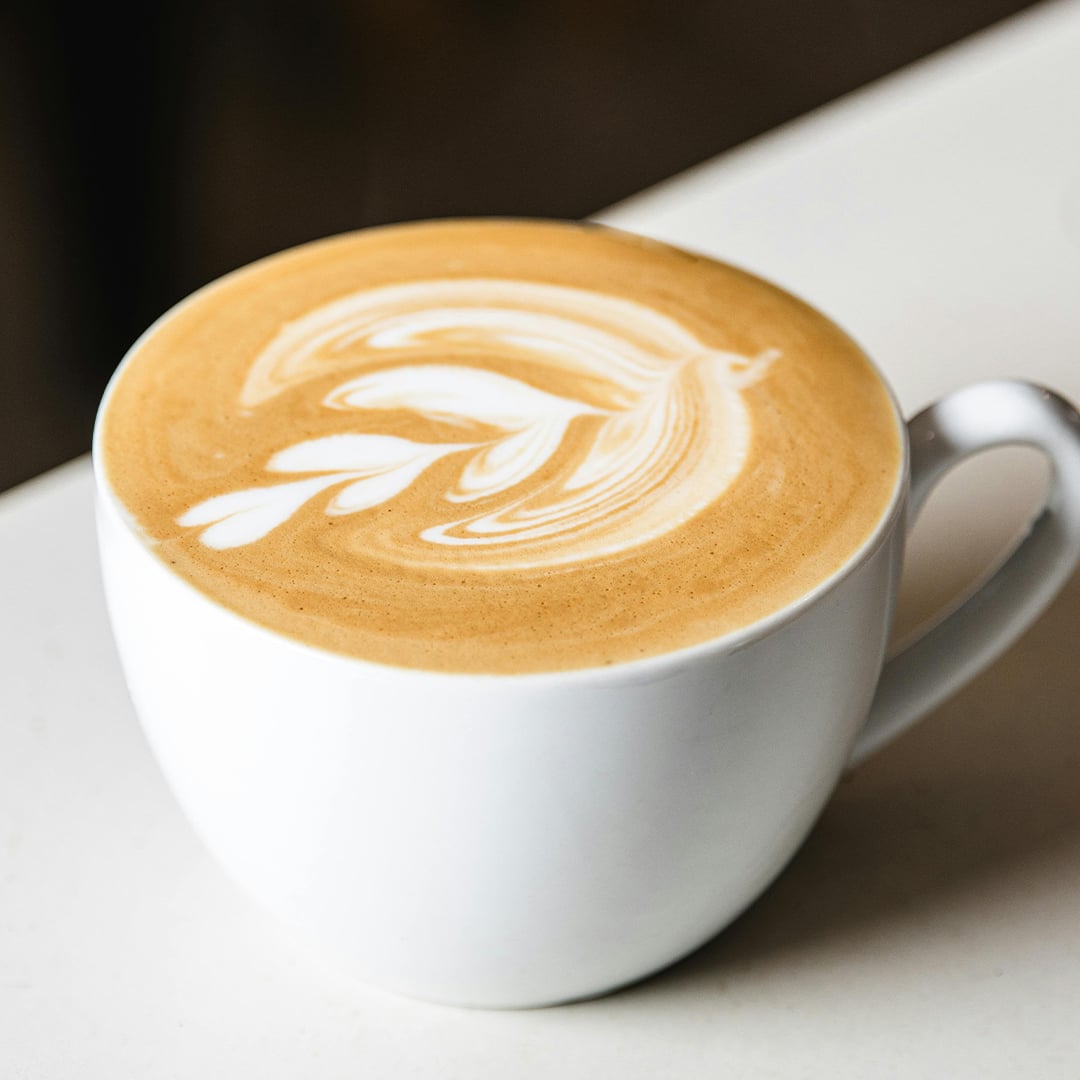
The silky, velvety texture of a perfectly steamed flat white changes everything. The milk fats coat the tongue, softening bitterness and acidity, while adding richness and perceived sweetness. Compare this with the lighter, often tea-like body of a pour-over. The texture is thinner, allowing brighter, more aromatic notes to shine through.
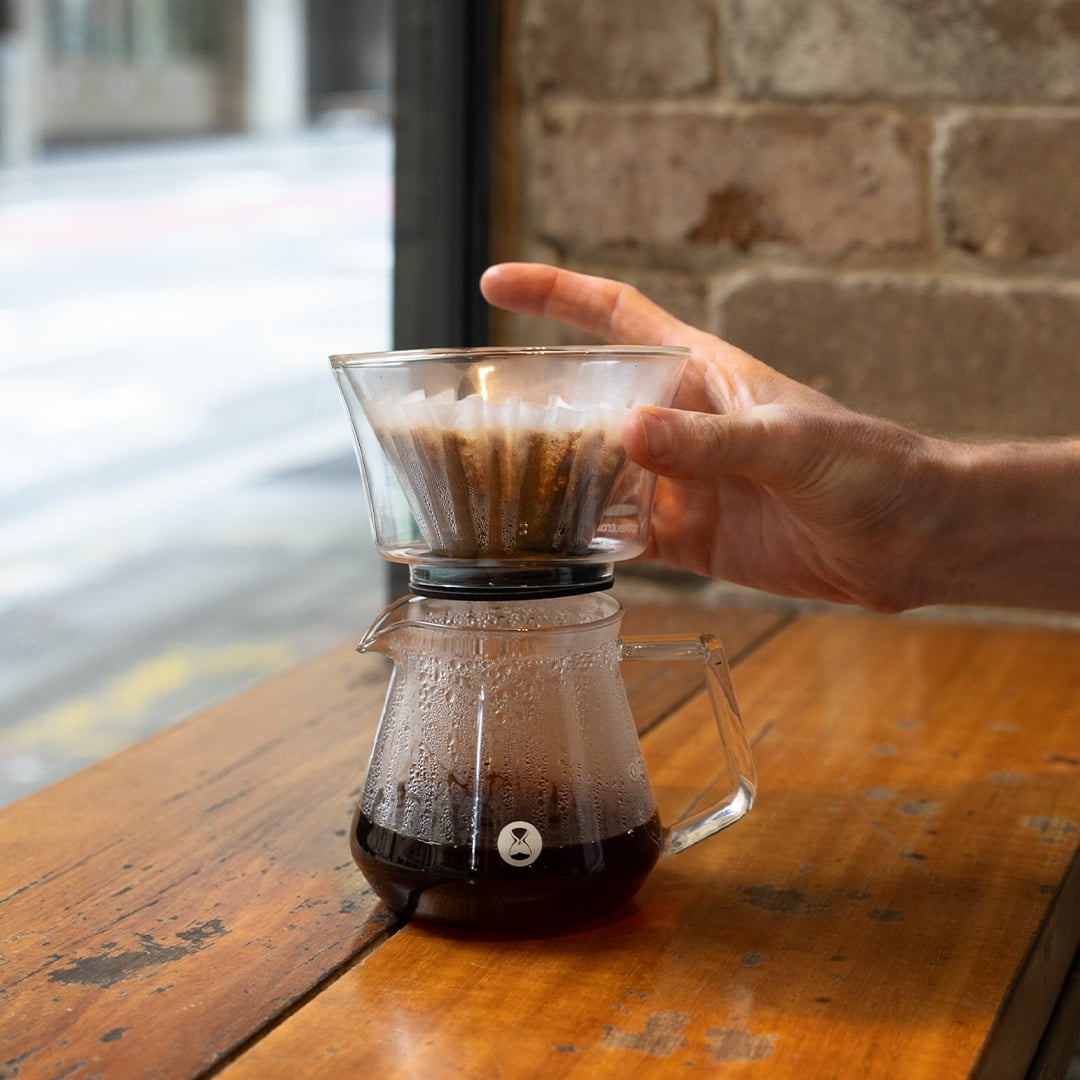
Temperature also plays a key role. A hot long black might be dominated by different less complex notes. But as it cools, those ease off and more complex acidic and fruity tones emerge. This is why professional cuppers evaluate coffee at multiple temperatures.

Processing, roasting, brewing: the flavour trifecta
Flavour doesn’t start at the cup. It starts at the farm. Processing methods such as washed, natural and honey often shape the coffee’s baseline character. Washed coffees often taste brighter and cleaner. Naturals can be heavier, fruitier and more fermented. Honey sits in between. (here I am talking in general terms, of course each coffee and process is unique!)
Studies have also shown that defective beans contribute off-putting aromas due to specific volatile compounds²⁶. Understanding a bean’s full flavour profile through analytical techniques like gas chromatography helps roasters achieve precision at every stage²⁷. Meanwhile, the transformation from green bean to brew includes hundreds of aroma shifts shaped by roasting, storage and grind²⁸.
Roasting then adds another layer. Light roasts preserve original character, citrus, florals and delicate acidity. Medium roasts push sweetness, think nuts, toffee, stone fruit. Dark roasts dominate with carbon, smoke and ash. Roast too far and all you taste is roast.
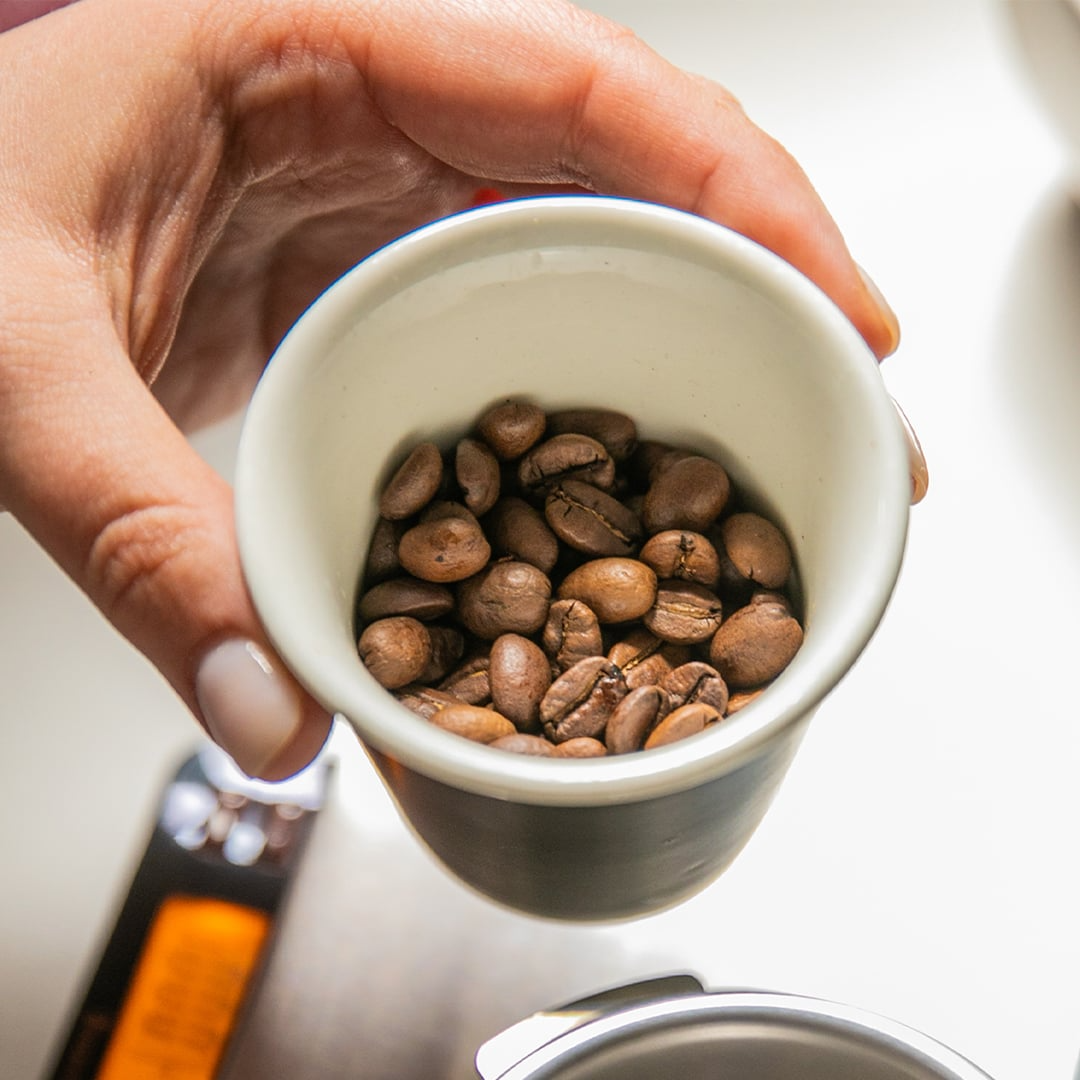
During roasting, volatile compounds develop and change rapidly. Online monitoring tools used in research show how real-time changes in aroma markers like pyrazines and furans can guide optimal roast profiles³¹. Fermentation steps earlier in the chain also set the stage for those flavour reactions, especially by influencing acidity and ester formation³².
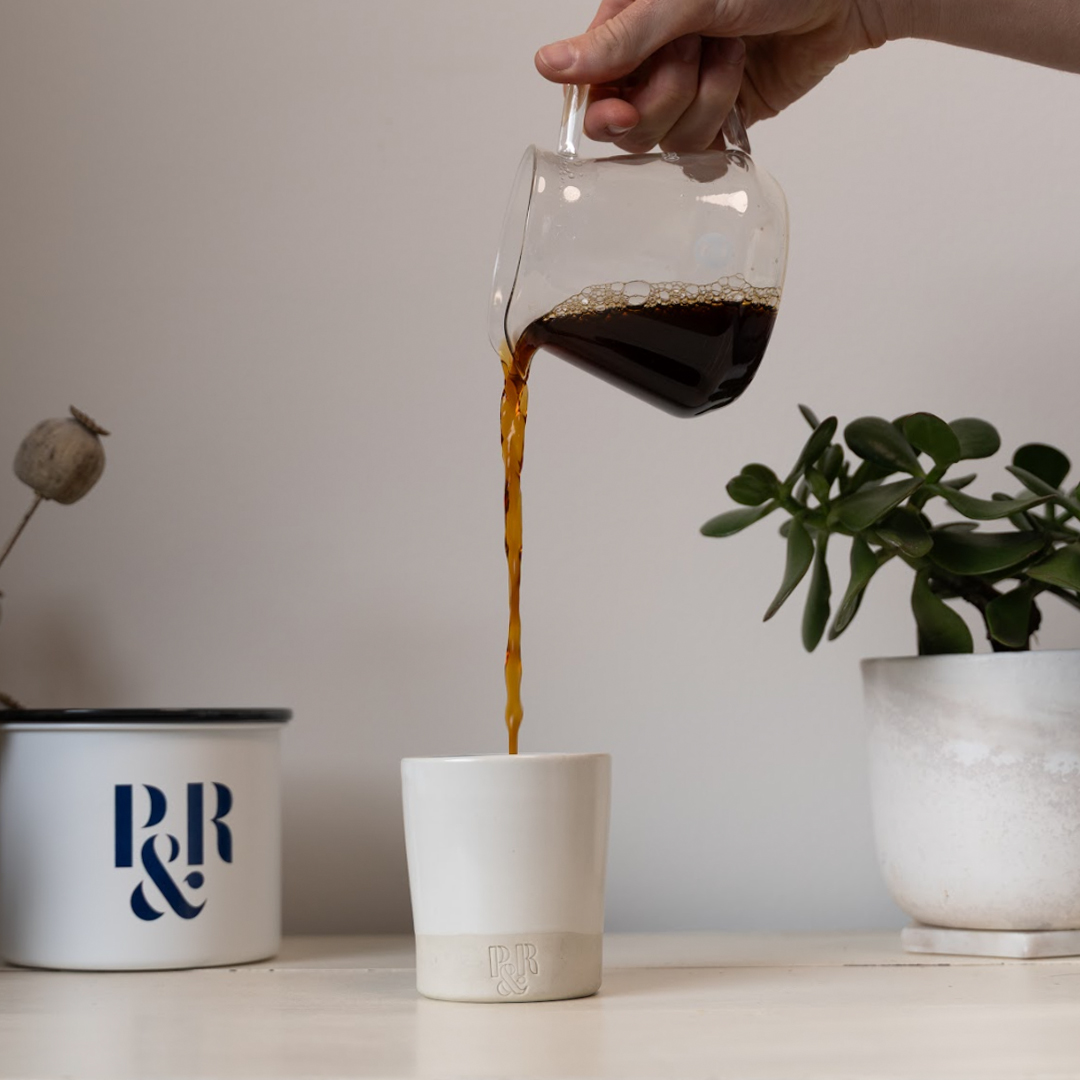
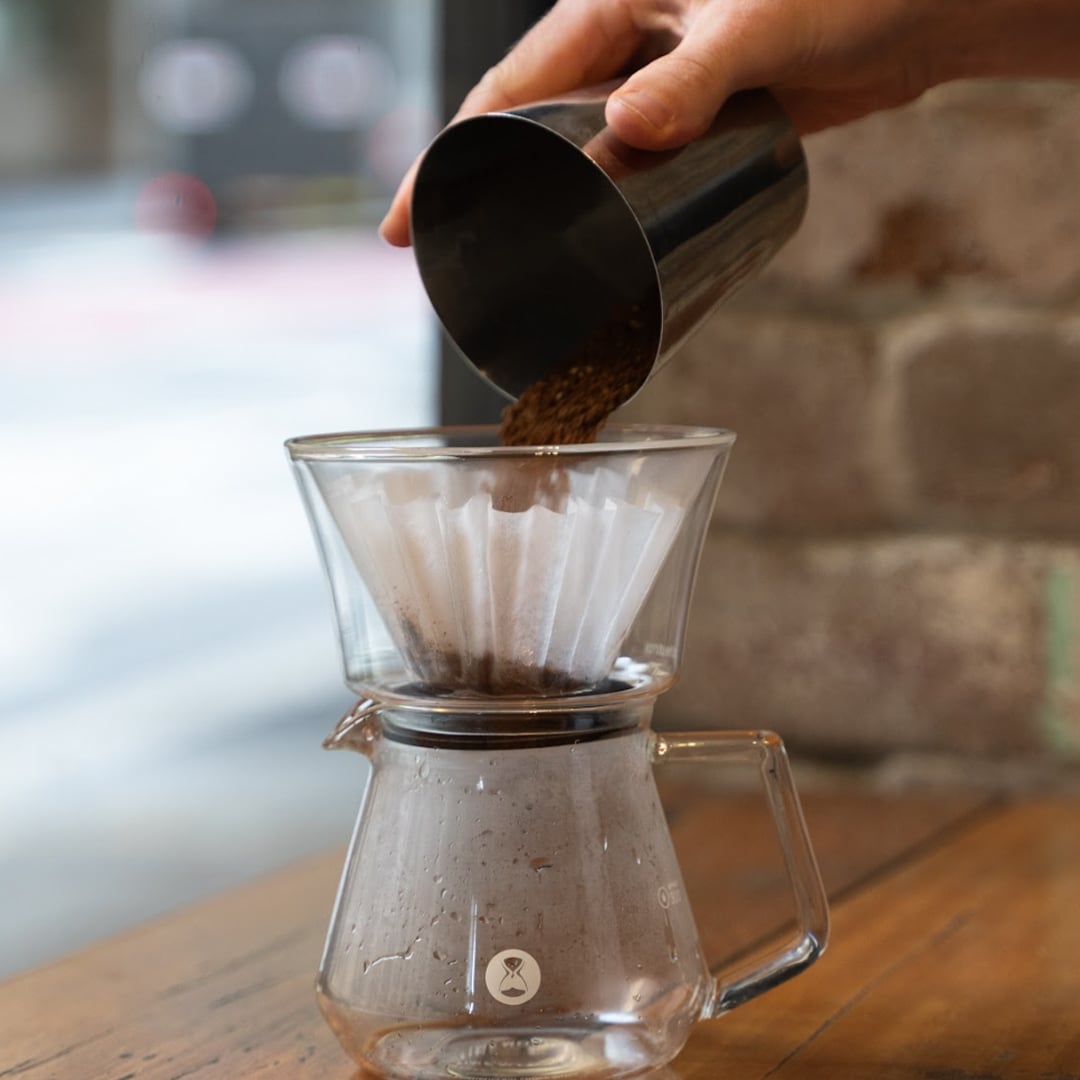
Brewing finishes the story. Espresso is intense and syrupy. Long blacks dilute but preserve crema and aromatics. Flat whites add sweetness and soften edges. Pour-overs open the cup, clarity, acidity, transparency. Cold brew rounds off bitterness and boosts the body.
Water chemistry also plays a role. Variables like mineral content, hardness and pH affect extraction and can bring out or mute particular flavour notes³⁴. Beyond flavour, coffee is also rich in antioxidants, especially when brewed hot, making it not just delicious but also functionally beneficial³⁵.
Each step, from farm to filter, shapes the final flavour.
Your personal flavour world
Flavour is deeply subjective, and our experience changes due to our genes and our age. About 25% of people are “supertasters.” They have more taste buds and are extremely sensitive to bitter compounds¹⁸. This is a key reason why some people find some aromas or flavours overpowering, while others barely notice it.
As we age, our senses of taste and smell naturally decline. After 60, food can start to seem blander, which is why older adults often prefer stronger, more intensely flavoured foods to achieve the same satisfaction they once did¹⁹.
Conclusion
Flavour is one of the brain’s most complex and impressive creations. It’s a dynamic, multisensory illusion that blends taste, aroma, touch, sight and sound into a single, unified whole. Far from being a simple chemical sensation on the tongue, it’s a deeply personal experience shaped by our genetics, our memories and the context of every meal. Understanding this science doesn’t just make us more informed eaters. It gives us a deeper appreciation for the complex symphony playing out in our minds with every sip of specialty coffee.
Sources
¹ Shepherd, G. M. (2012). Neurogastronomy: How the Brain Creates Flavor and Why It Matters. Columbia University Press.
² Bachmanov, A. A., & Beauchamp, G. K. (2007). Taste receptor genes. Annual review of nutrition, 27, 389-414.
³ Breslin, P. A., & Spector, A. C. (2008). Mammalian taste perception. Current biology, 18(4), R148-R155.
⁴ Murphy, C., Cain, W. S., & Bartoshuk, L. M. (1977). Mutual action of taste and olfaction. Sensory Processes, 1, 204-211.
⁵ Rozin, P. (1982). Taste-smell confusions and the duality of the olfactory sense. Perception & Psychophysics, 31(4), 397-401.
⁶ Small, D. M. (2012). Flavor is in the brain. Physiology & behavior, 107(4), 540-552.
⁷ Bushdid, C., Magnasco, M. O., Vosshall, L. B., & Keller, A. (2014). Humans can discriminate more than 1 trillion olfactory stimuli. Science, 343(6177), 1370-1372.
⁸ Prescott, J. (2012). Taste Matters: Why We Like the Foods We Do. Reaktion Books.
⁹ Rolls, E. T. (2016). The functional neuroanatomy of taste and flavour processing in the brain. In Taste and Smell (pp. 1-32). Karger Publishers.
¹⁰ Veldhuizen, M. G., et al. (2011). The Gnostic final common pathway. Journal of Neuroscience, 31(32), 11670-11679.
¹¹ Kringelbach, M. L. (2004). The human orbitofrontal cortex: linking reward to hedonic experience. Nature Reviews Neuroscience, 5(9), 691-702.
¹² Rolls, E. T. (2005). Taste, olfactory, and food texture processing. Physiology & Behavior, 85(1), 45-56.
¹³ Morrot, G., Brochet, F., & Dubourdieu, D. (2001). The color of odors. Brain and language, 79(2), 309-320.
¹⁴ Spence, C. (2015). On the psychological impact of food colour. Flavour, 4(1), 1-16.
¹⁵ Zampini, M., & Spence, C. (2004). Role of auditory cues in crispness of chips. Journal of sensory studies, 19(5), 347-363.
¹⁶ Crisinel, A. S., & Spence, C. (2012). A sweet sound? Food Quality and Preference, 24(1), 202-205.
¹⁷ Caterina, M. J., et al. (1997). The capsaicin receptor. Nature, 389(6653), 816-824.
¹⁸ Bartoshuk, L. M., et al. (1994). PTC/PROP tasting. Physiology & Behavior, 56(6), 1165-1171.
¹⁹ Boyce, J. M., & Shone, G. R. (2006). Effects of ageing on smell and taste. Postgraduate medical journal, 82(966), 239-241.
²⁰ Green, B. G. (1996). Chemesthesis: pungency as a component of oral sensation. Trends in Food Science & Technology, 7(12), 415-420.
²¹ Illy, A., & Viani, R. (2005). Espresso Coffee: The Science of Quality. Academic Press.
²² Clarke, R. J., & Macrae, R. (1988). Coffee: Volume 1 - Chemistry. Springer.
²³ Flament, I. (2002). Coffee Flavor Chemistry. John Wiley & Sons.
²⁴ Buffo, R. A., & Cardelli-Freire, C. (2004). Coffee flavour: An overview. Flavour and Fragrance Journal, 19(2), 99–104.
²⁵ Sunarharum, W. B., et al. (2014). Complexity of coffee flavour. Food Research International, 62, 315–325.
²⁶ Toci, A. T., & Farah, A. (2008). Volatile markers of defective beans. Food Chemistry, 108(3), 1133–1141.
²⁷ Gloess, A. N., et al. (2013). Flavour profile of coffee. Analytica Chimica Acta, 819, 39–53.
²⁸ Bhumiratana, N., et al. (2011). Evolution of aroma from beans to brew. LWT, 44(10), 2185–2192.
²⁹ Toledo, P. R., et al. (2016). Coffee quality and volatiles. Comprehensive Reviews, 15(4), 705–719.
³⁰ Cordoba, N., et al. (2019). Fermentation and flavour. Food Microbiology, 80, 102–123.
³¹ Yeretzian, C., et al. (2002). Coffee roasting and volatiles. European Food Research, 214(2), 92–104.
³² Lee, L. W., et al. (2015). Coffee fermentation and flavour. Food Chemistry, 185, 182–191.
³³ de Toledo, P. R., et al. (2017). Cold brew chemistry. Comprehensive Reviews, 16(4), 740–756.
³⁴ Navarini, L., & Rivetti, D. (2010). Water quality in brewing. Food Chemistry, 122(2), 263–271.
³⁵ Carlsen, M. H., et al. (2008). Antioxidant content in foods. Nutrition Journal, 7(1), 1–11.