There’s something about winter that makes a great coffee feel even better.
The first sip on a cold morning. The warmth in your hands. The smell of freshly ground beans filling the kitchen while it’s still dark outside. Many coffee drinkers swear their daily brew tastes better in winter, and they might be onto something.
The coffee itself hasn’t suddenly changed. Your favourite blend is still your favourite blend. What changes is the way your body, brain and senses experience it.

Winter makes us crave warmth
Humans are wired to seek comfort when temperatures drop. A hot drink isn't just a beverage in winter. It's a source of warmth, routine and reassurance.
Temperature influences how we experience food and drinks. A warm beverage can create a stronger feeling of comfort and satisfaction during colder weather, which naturally enhances the overall experience of drinking coffee.¹
The colder it gets outside, the more rewarding that warmth feels.
Your nose plays a bigger role than you think
When people talk about tasting coffee, they're often talking about flavour.
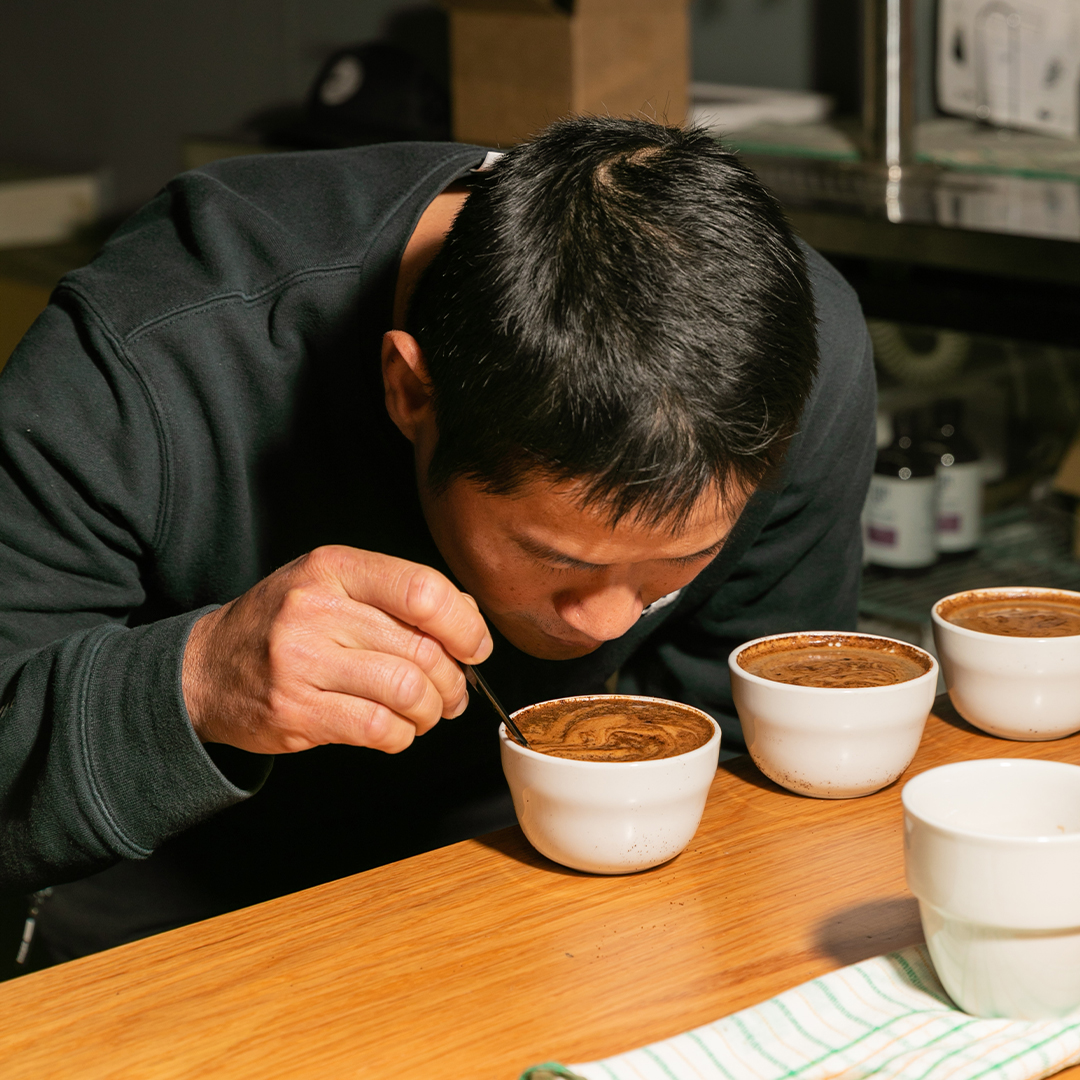
Flavour is actually a combination of taste and aroma. In fact, much of what we identify as chocolate, caramel, stone fruit or floral notes comes from what we smell rather than what we taste.²
Winter creates a perfect stage for coffee's aromas to shine.
When you're holding a steaming cup on a cold morning, the contrast between the cool air and the warm coffee makes those aromas feel more noticeable. Every sip carries aromatic compounds towards your nose, helping you pick up more of the complexity hidden inside the cup.
This is one reason specialty coffee feels so engaging in winter; slowing down and paying attention becomes part of the ritual.
Winter slows us down
During summer, coffee often competes with busy schedules, heat and a desire to keep moving, but winter has a different rhythm.
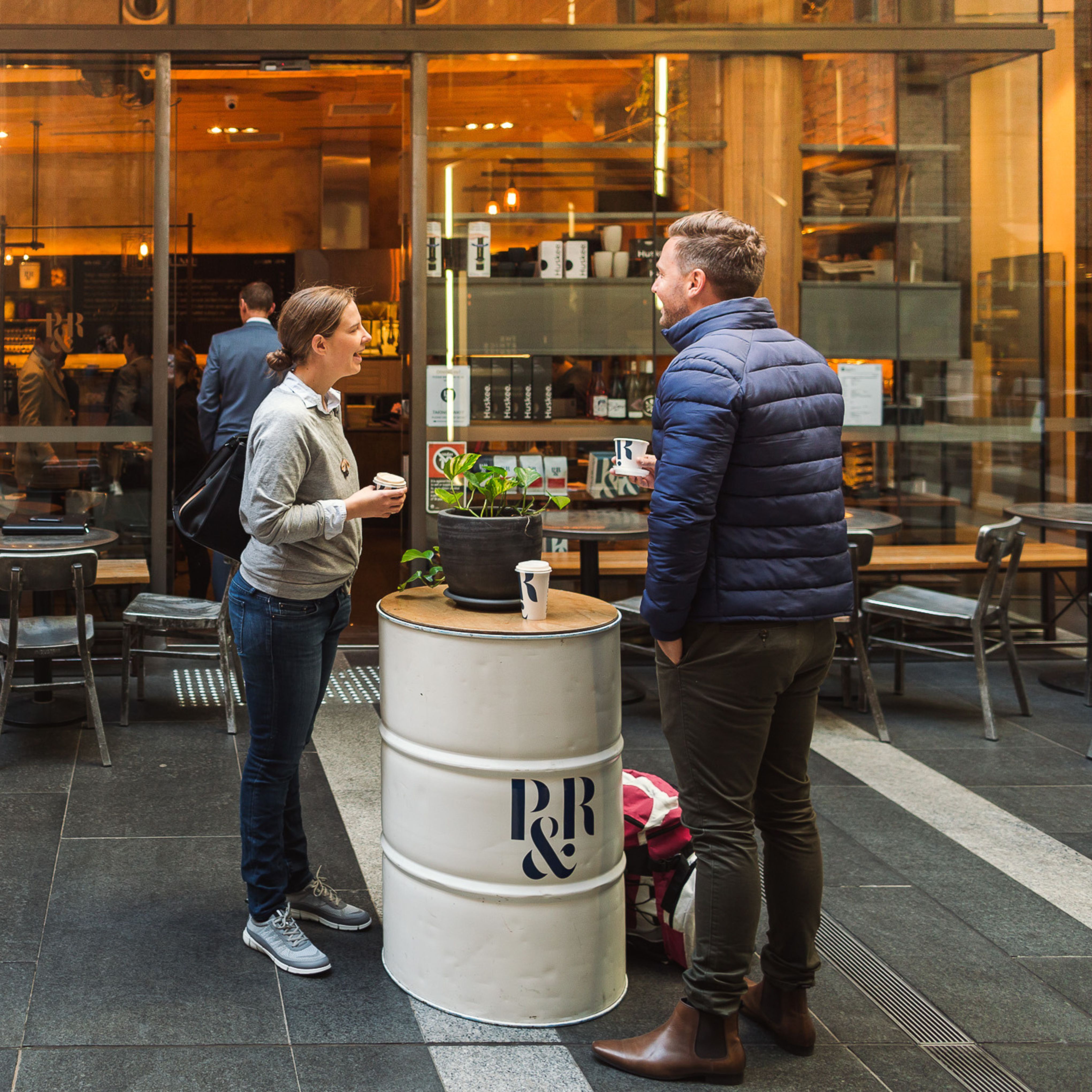
People tend to spend more time indoors. Mornings start a little slower. Weekends involve more staying in than heading out. Those moments create space to actually notice what's in the cup.
A coffee that might have been rushed through in January becomes something you sit with in July.
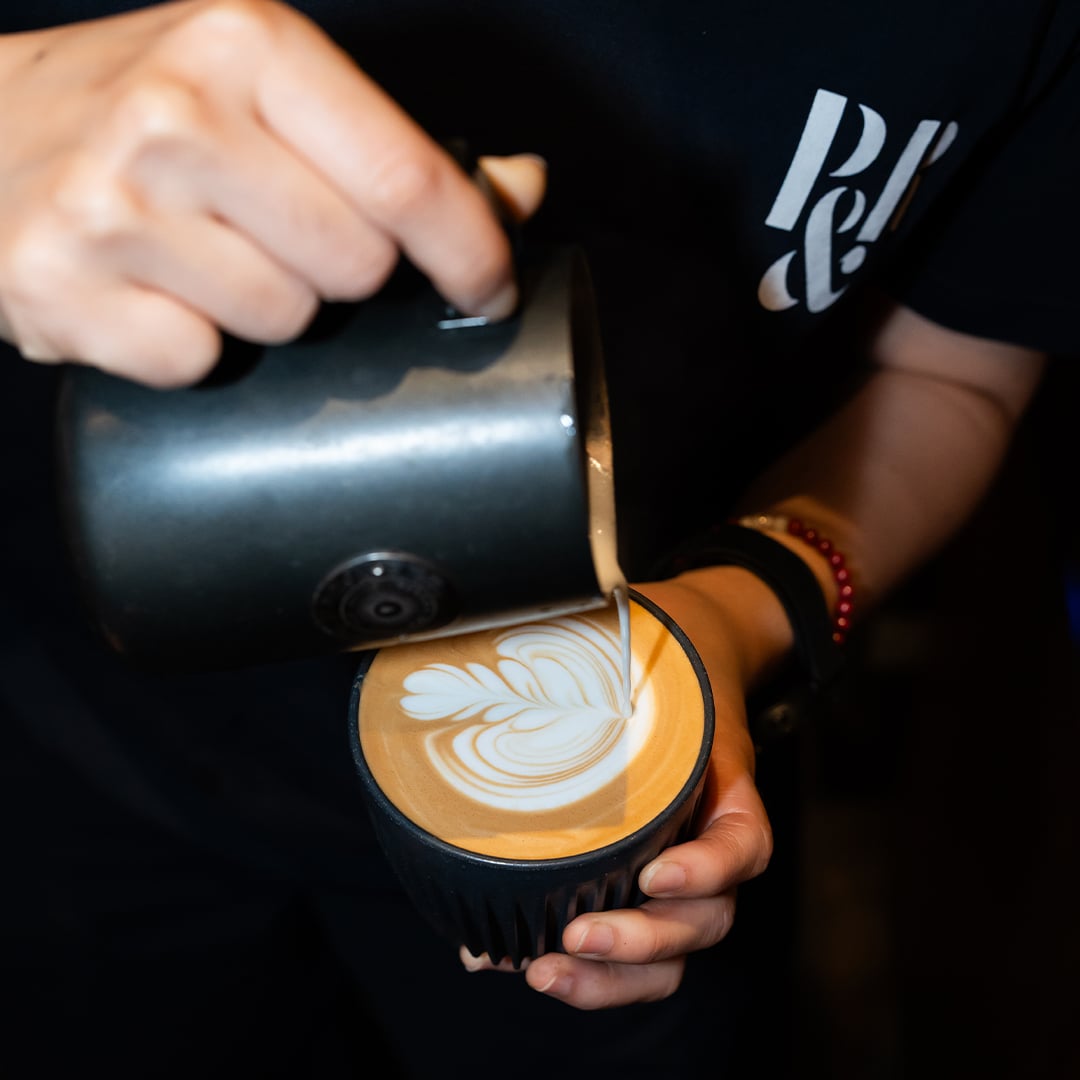
The cafe experience feels different too. The smell of fresh espresso. The sounds of milk steaming. A warm corner seat away from the wind. Environment shapes flavour perception and winter delivers plenty of sensory cues that make coffee feel more enjoyable.²
Sometimes the coffee isn't tasting better. You're simply giving it more attention.
Richer flavours feel right at home
Seasonality influences food preferences, and coffee is no exception.
In colder weather, many people naturally gravitate towards flavours that feel comforting and indulgent. Think chocolate, nuts, caramel, baking spices and brown sugar.³
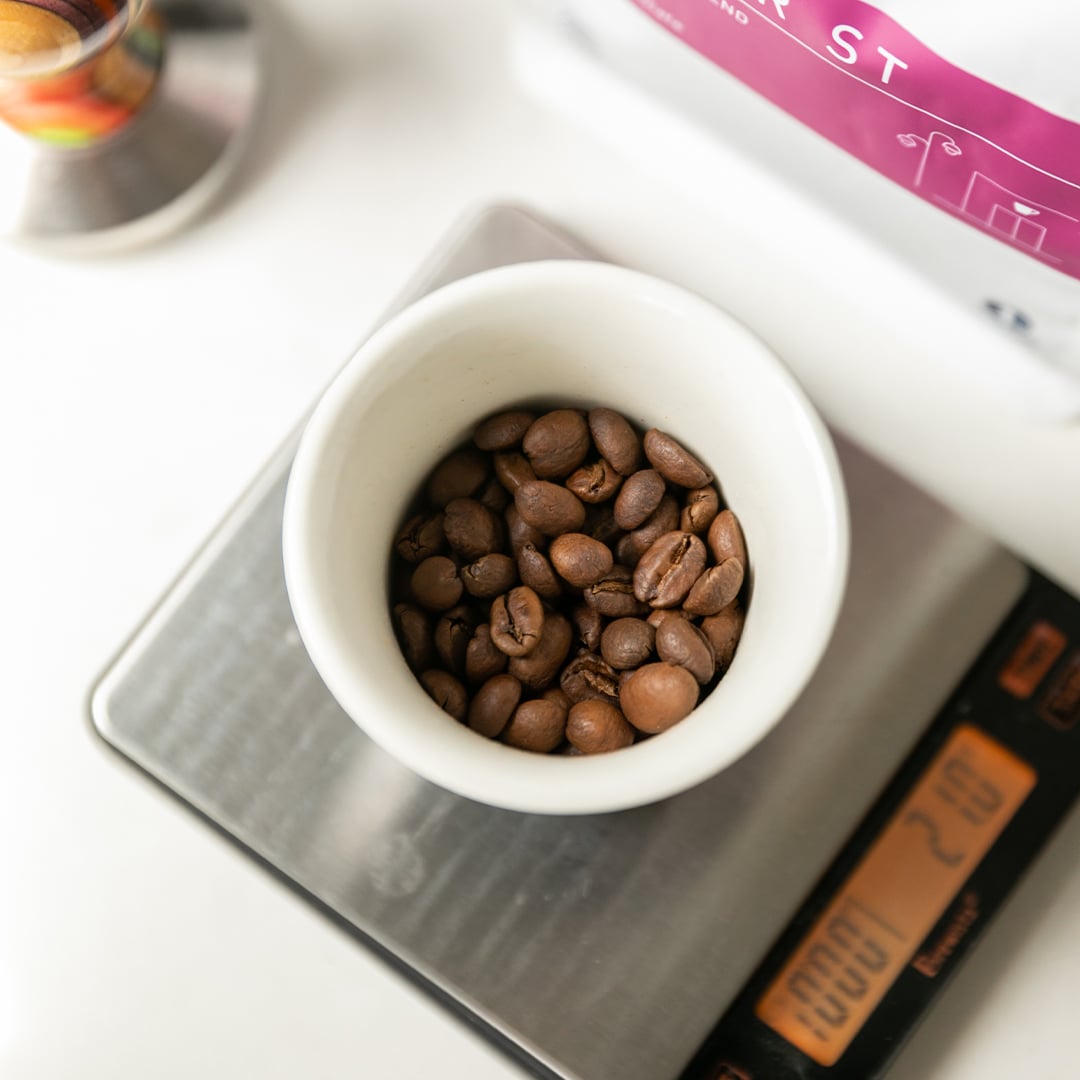
Those flavour notes happen to be common in many espresso blends and full-bodied coffees. Our Porter Street blend is my personal winter blend of choice.
It’s no surprise that winter becomes peak season for flat whites, cappuccinos and richer espresso-based drinks. The flavour profile matches what our brains are looking for when temperatures drop.
Australian coffee culture has always had a strong connection to milk-based coffee, and winter gives those comforting flavour characteristics an extra chance to shine. Though there is a clear trend away from hot coffee and folks under 28 are leading this shift, we wrote all about it here.
Coffee becomes part of the winter ritual
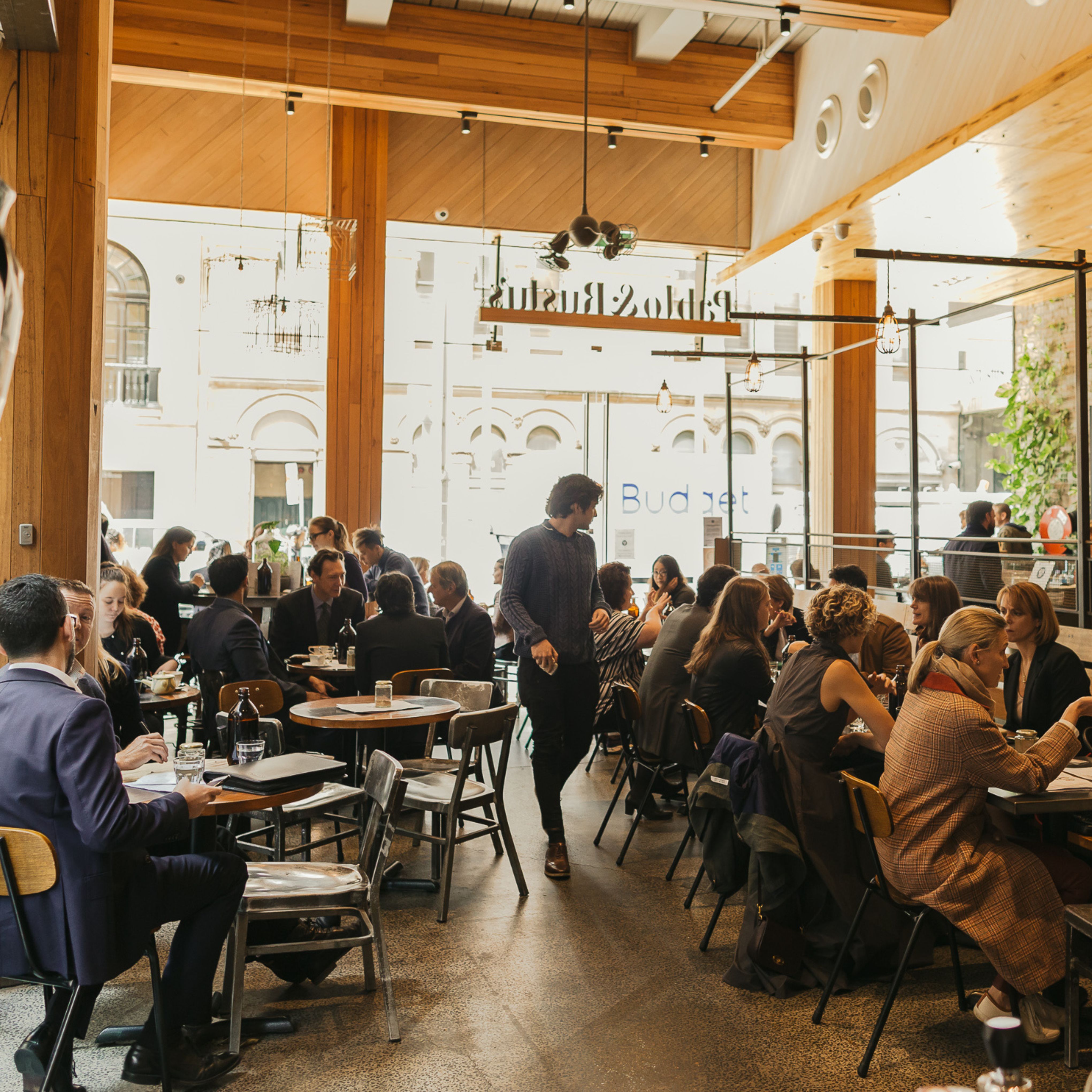
Winter coffee is about what that cup represents. The first coffee before work. The weekend cafe catch-up. The thermos packed for an early soccer or netball game.
Research into coffee consumption consistently shows that coffee is deeply connected to daily routines and behaviours.⁴ Those routines become even more meaningful when the weather is colder and people seek familiarity and comfort.
Coffee becomes a small anchor point in the day.
And when something makes you feel good, you're more likely to perceive it positively. The experience feels richer, warmer and more memorable.
So, does coffee actually taste better in winter?
Scientifically speaking, the beans don't magically improve when the temperature drops.
What changes is everything around them. Coffee gives us warmth in winter when we need it. It encourages slower moments. It makes aromas feel more inviting. It nudges us towards flavour profiles that naturally feel comforting. Put all of that together and it's easy to understand why some people believe coffee tastes better in winter.
Maybe the real answer is simple. Winter helps us appreciate coffee the way it deserves to be appreciated: slowly, deliberately and one warming sip at a time.
Footnotes
¹ Cotter, A. R. et al. "Impact of beverage temperature on consumer preferences for black coffee." Scientific Reports (2022). Available at: https://www.nature.com/articles/s41598-022-23904-4
² Pablo & Rusty's – Taste vs flavour: How we actually experience coffee. Available at: https://pabloandrustys.com.au/blogs/drinkbettercoffee/taste-vs-flavour-how-we-actually-experience-coffee
³ Master Coffee Roasters – How weather influences coffee and tea enjoyment. Available at: https://www.mastercoffeeroasters.com/blogs/master-coffee-roasters-blog/how-weather-influences-coffee-tea-enjoyment
⁴ National Coffee Association – National coffee data trends. Available at: https://www.ncausa.org/Market-Research/National-Coffee-Data-Trends