If 2025 was the year Australian coffee prices finally began lifting from historic lows towards something closer to global parity, then 2026 is shaping up to be the year of the signature drink.
Not as a novelty. Not as a gimmick. But as a permanent fixture of the modern cafe menu.
What are signature drinks?
They’re easy to recognise, yet surprisingly hard to design well.
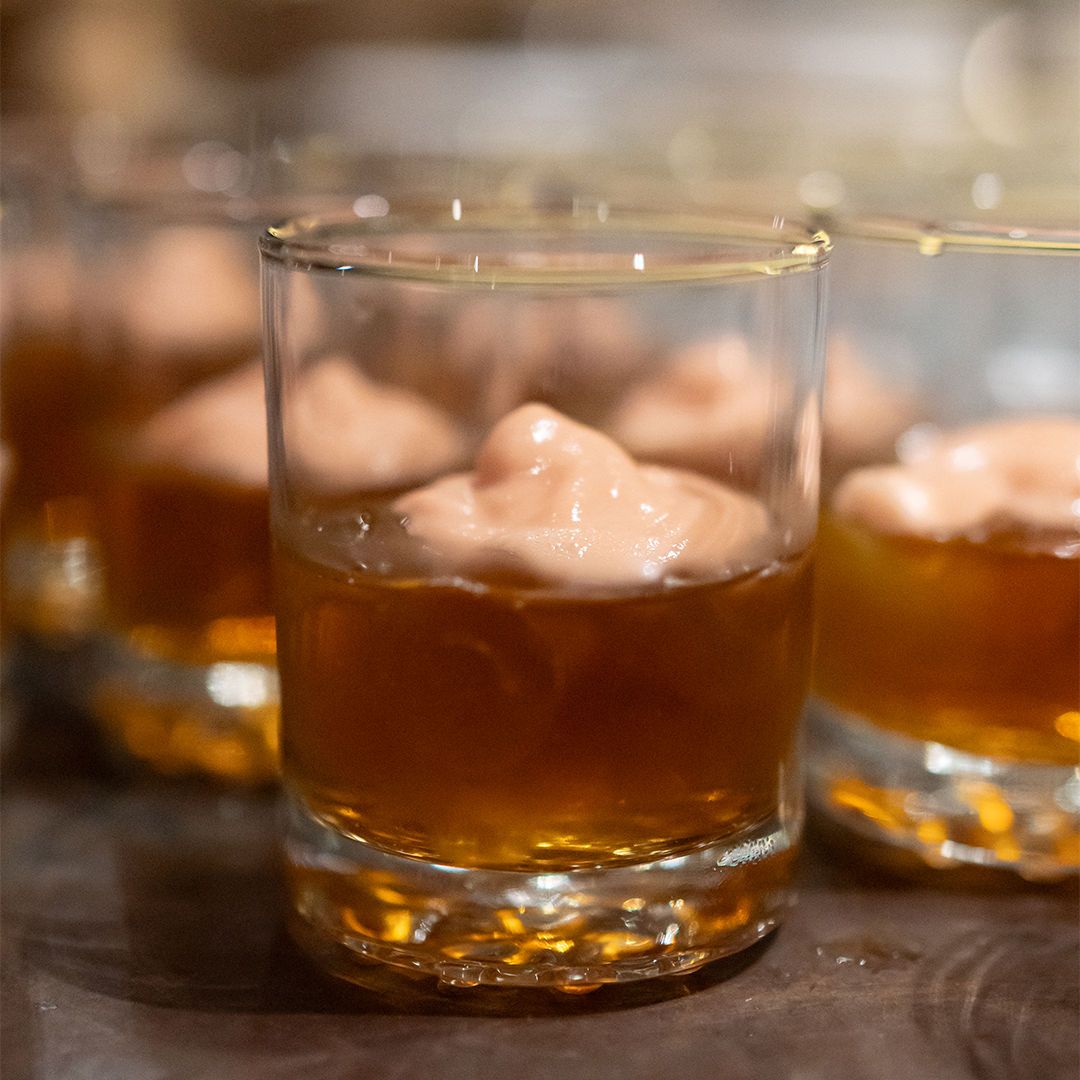
Signature drinks go beyond the staples, the flat white, long black, espresso, chai latte, English breakfast tea or matcha. They usually combine multiple ingredients, often with layered textures such as foam or cream, and sometimes include garnishes or finishes borrowed from the kitchen or bar.
They can be hot or cold, though cold drinks are clearly leading the charge.
Coconut cloud strawberry matcha. The jaffa. Old fashioned. Strawberry cheesecake coffee punch. Mont blanc. Banana bread matcha. Dragon Lychee coffee mocktails. The list keeps growing, and it’s evolving fast.
What defines a good signature drink isn’t complexity for its own sake. It’s balance, clarity of flavour and a sense that the drink belongs in that cafe, not something copied straight off social media without thought.
Why consumers love them
First and foremost, they feel like a treat.
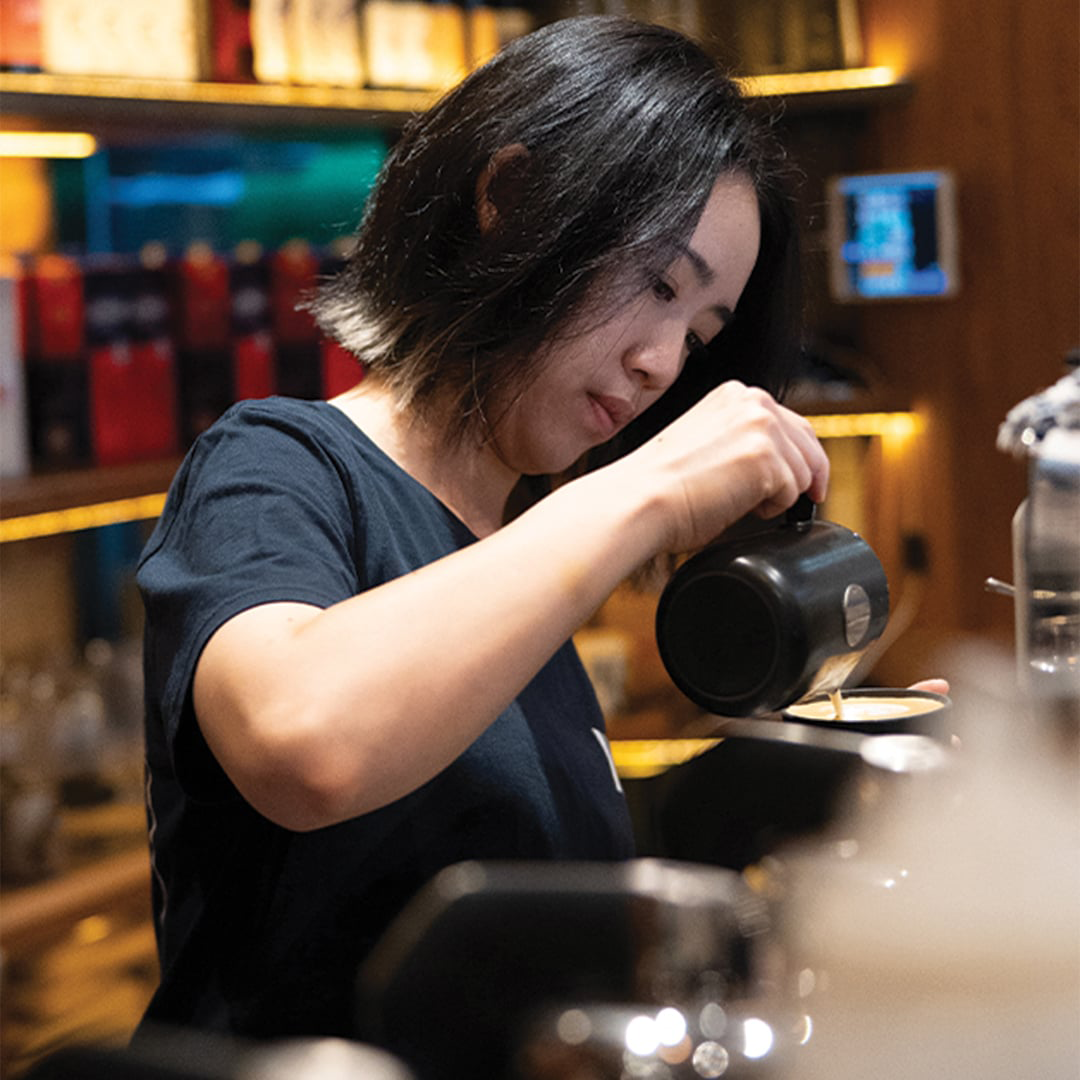
They’re visually striking. When done properly, they’re genuinely delicious. And they offer something different from the everyday. Gen Z has embraced them enthusiastically, but they’re not alone. Older customers are just as curious, especially when the flavours feel familiar or nostalgic.
Importantly, people seek them out. Cafes are no longer just destinations for caffeine. They’re places for discovery. A signature drink gives customers a reason to visit one cafe over another, and a reason to come back.
This doesn’t mean the flat white is disappearing. Far from it. Australia’s coffee culture is still built on consistency and quality. But signature drinks function like specials. They introduce seasonality, creativity and surprise into a menu that customers already trust.
You might only have one a week. Or one a day. Either way, they’re becoming a meaningful part of the cafe experience.

Slowly at first, then all at once
In earnest, this trend only began taking hold a year or two ago.
Early on, signature drinks appeared mostly in trend leading cafes. Many baristas and cafe owners were hesitant. Adding fruit, syrups or non traditional ingredients to coffee felt like a compromise, even a betrayal, of everything Australian cafe culture stood for.
But slowly, perceptions shifted.
When done well, these drinks didn’t diminish coffee. They elevated it. They showcased flavour, technique and creativity. More cafes began experimenting. Customers responded. And before long, what once felt niche started to feel inevitable.
Now, a cafe positioning itself as modern or progressive without at least one signature drink on the menu risks feeling behind the curve.

Why cafes see the opportunity
The opportunity is multi-layered.
First, demand is real. Customers aren’t just accepting signature drinks. They’re actively looking for them.
Second, pricing. Signature drinks can comfortably sit at nine or ten dollars or more. In a market where Australian coffee prices still trail many global peers, this creates breathing room at a time when costs remain stubbornly high.
Third, they’re marketing gold. Signature drinks photograph well, share well and travel far on social media. They give cafes something to talk about beyond latte art and beans of the month.
Finally, there’s the creative pull. Many baristas and cafe teams genuinely enjoy developing these drinks. When done thoughtfully, it’s fun, collaborative and deeply satisfying, and it often reenergises teams who’ve been making the same drinks for years.
The changing role of the barista
This shift has changed the role of the barista in a meaningful way.
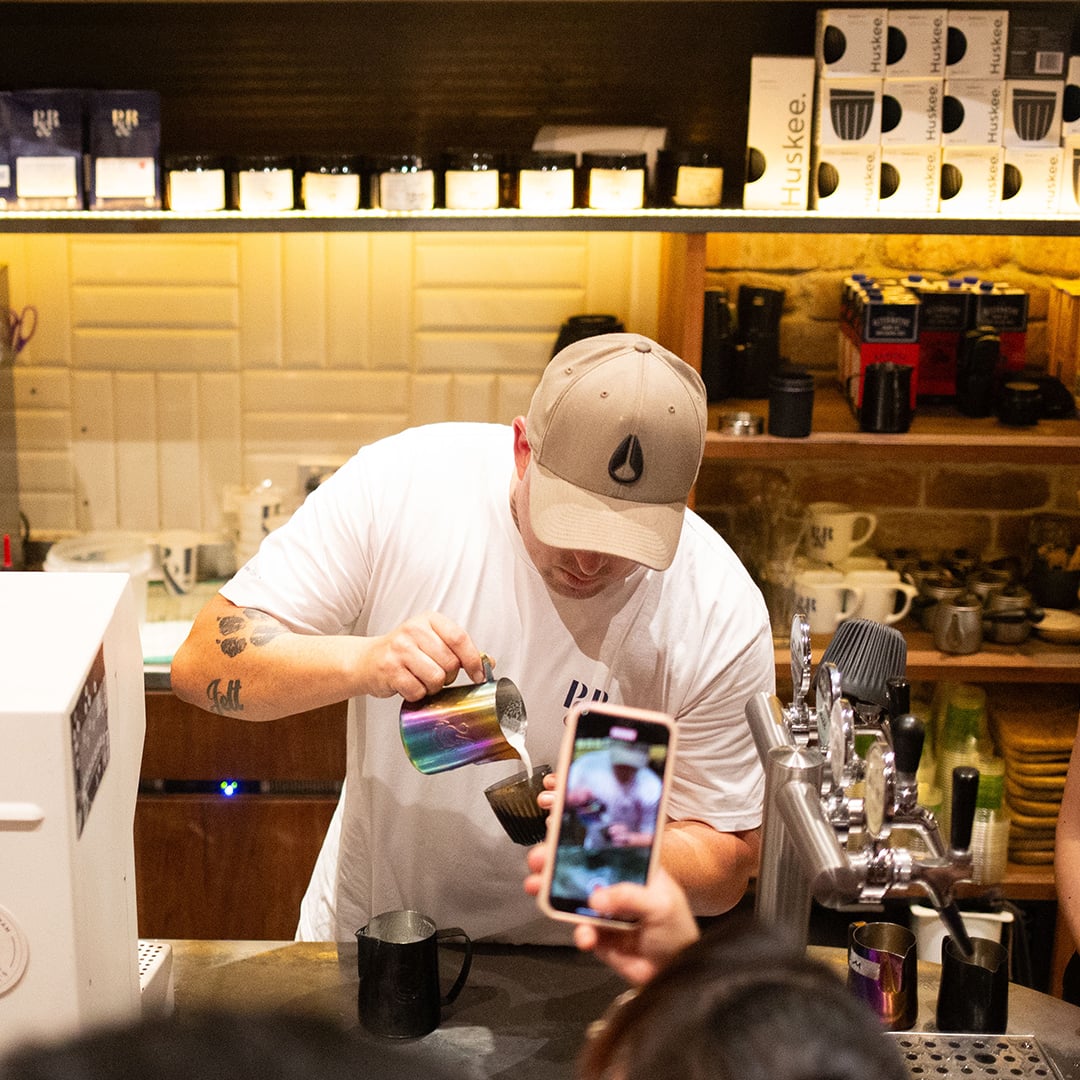
Once, the focus was on making great coffee quickly and consistently. Then came a stronger emphasis on hospitality and experience. Now, baristas are also responsible for curating a broader beverage offering that includes coffee, tea, matcha and an expanding range of signature drinks.
In practice, that makes them part chef, part mixologist and part beverage specialist.
All of this happens alongside the ongoing pressure to keep cafes efficient and profitable. The impact a skilled barista can have on a business has never been greater, but so too has the scope of what’s expected of them.
This has real implications for training, workflows, menu design, cafe layouts and equipment choices. Signature drinks aren’t just a menu addition. They change how cafes operate.
The world has changed
A quiet revolution is underway in Australian cafes.
There’s experimentation. New flavours. New formats. New equipment. The pace of change can feel confronting, even overwhelming. But it also brings renewed energy and possibility to an industry that’s been under sustained pressure.
For cafes willing to embrace it thoughtfully, signature drinks offer more than trend driven excitement. They offer a path towards differentiation, stronger margins and a deeper connection with customers.
It’s a challenging moment. But it’s also a hopeful one.