Australia’s specialty cafe scene keeps evolving. Costs remain high. Expectations remain higher. Customers expect meaning, connection and joy in every cup. In 2026, these trends will accelerate. Cafes that embrace experience, innovation, service and smart tools will win.
Here is what to watch in 2026.
Coffee trends
1. Stories, signature drinks and the rise of curation
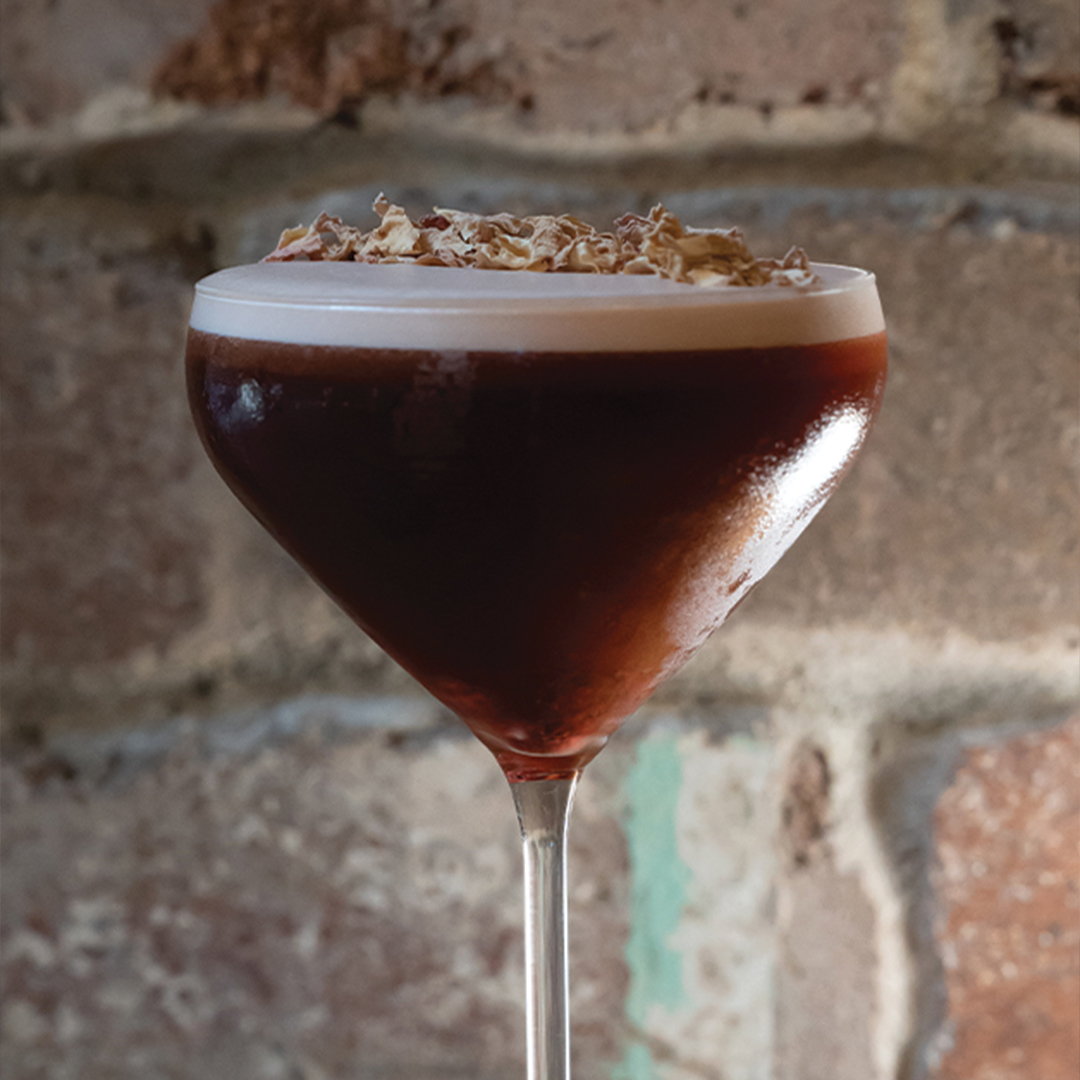
Signature drinks now sit beside the house blend in shaping a cafe’s identity. They offer margin, memorability and a reason to visit again. The best drinks feel like limited release products with flavour arcs, textures and seasonal ingredients.
Digital menus become a way to enhance the customer experience, layering details that allow Baristas and cafe staff to add value elsewhere. Photos, tasting notes and colour help build expectation before the drink even arrives.
The menu becomes a visual story, not just a list.
2. Coffee prices move toward global parity
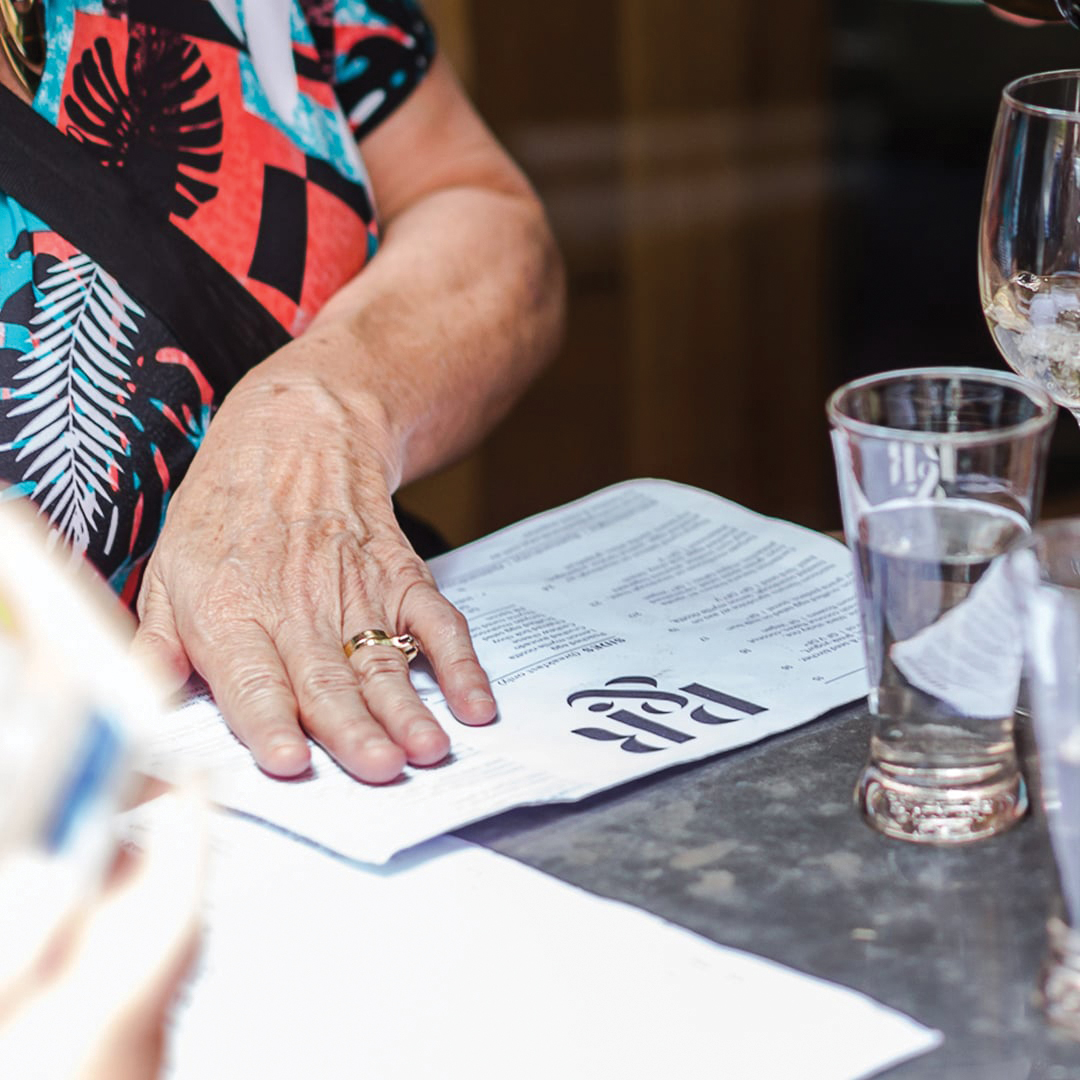
The Australian coffee value gap stays one of the biggest conversations in the industry. The small flat white continues its climb towards $7. Rising wages, rent, utilities and green bean fluctuations make slow upward movement unavoidable. The shift is not only about price. It is about framing value and experience.
More cafes use tiered menus, hero drinks, premium origins and transparency to help customers understand the story behind the cup. Many adopt anchor pricing through signature drinks, letting the standard coffee sit in a comfortable range without eroding margins.
Australian coffee culture has been undervalued for years. We’re starting to see a positive correction.
3. Cold coffee domination
Cold coffee becomes a foundation, not just a seasonal trend.
Younger customers choose iced drinks year round, even in winter. In 2026 this shapes workflow, equipment layouts and menu architecture.
Cold taps expand beyond cold brew to include coffee tonics, cascara sodas and sparkling matcha.
Cafes develop small scale RTD programs with canned iced lattes, flavoured cold brews and small batch matcha sodas. Cold menu offerings are now a format as important as espresso.
4. Matcha shortages and the search for alternatives
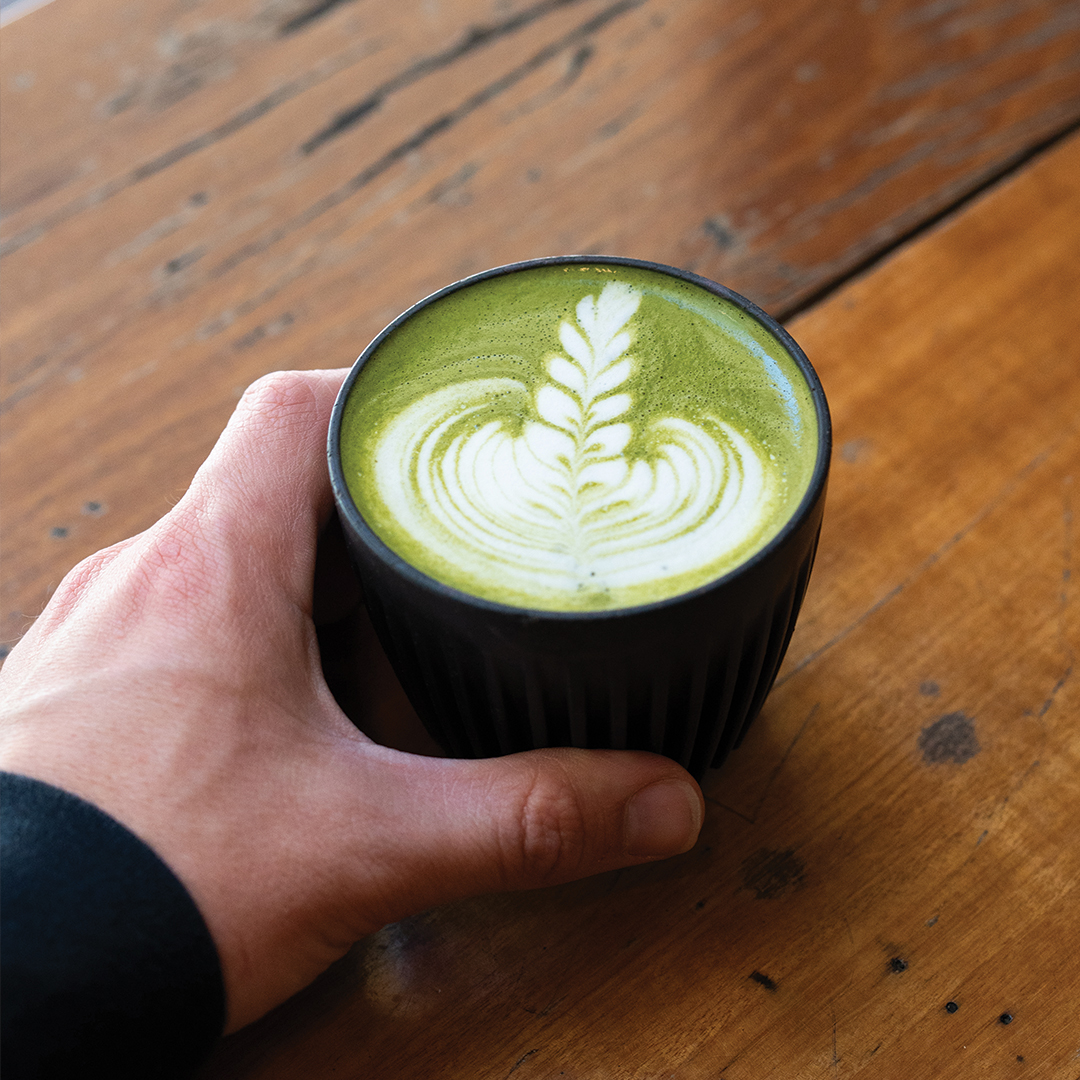
Matcha demand surges again. Supply remains tight. Leading cafes respond with a new wave of tea driven beverages.
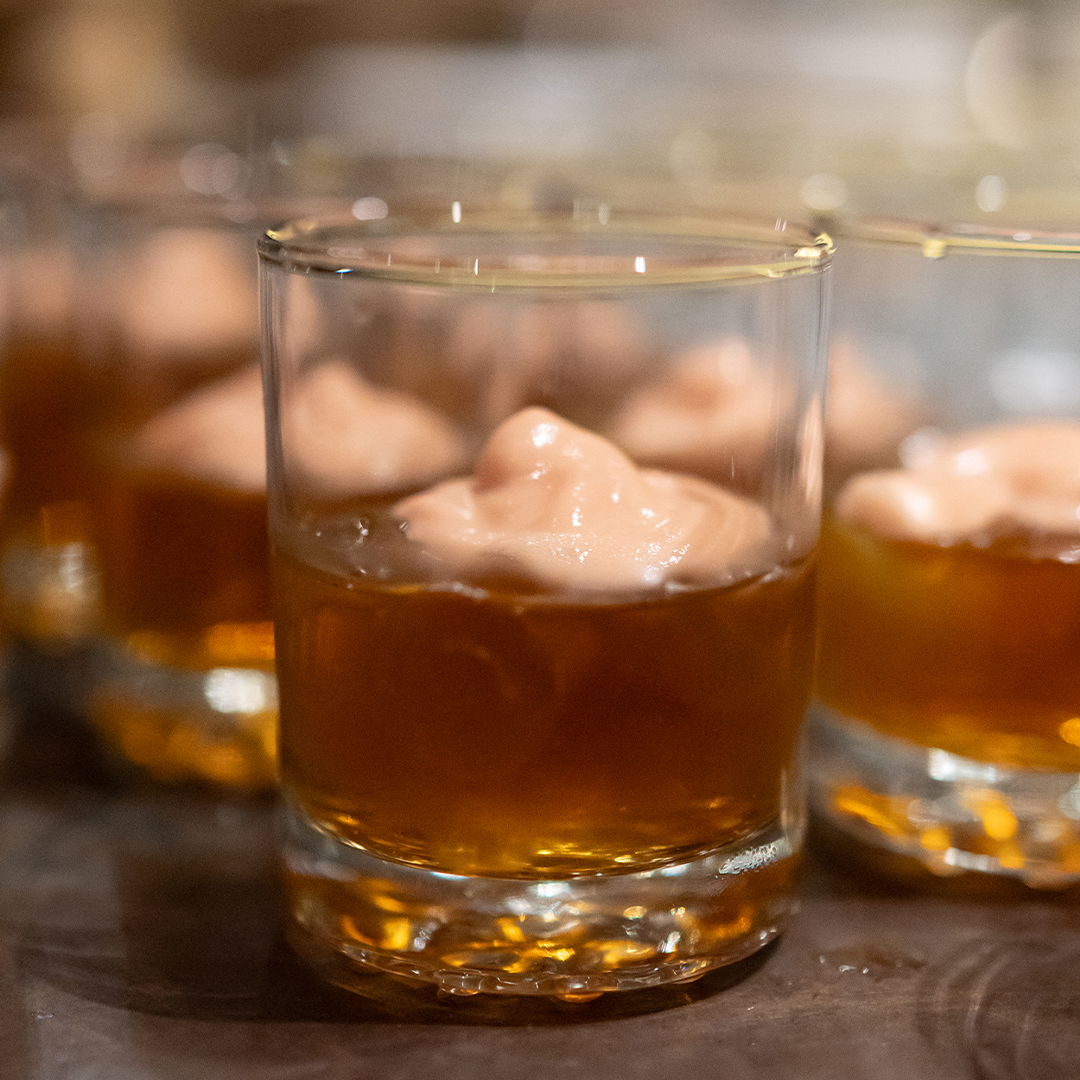
Hojicha lattes, strawberry sencha spritzes, roasted genmaicha shakes, botanicals with citrus, rose or yuzu notes. Tea based drinks become a playground for colour, theatre, flair and visual identity.
Expect more crossovers such as coffee and tea hybrids, nitro matcha, layered matcha tonics and fruit driven sparkling teas. Techniques and flair borrowed from cocktail bars and mixology.
5. Functional and health led beverages rise
Wellness drinks grow from a niche to a normal menu feature. Protein lattes for gym goers. L-Theanine and caffeine blends for focus. Adaptogen hot chocolates. Low sugar cold brews. Gut friendly ferments.
These options attract customers who want the cafe ritual without the sugar spike or heavy milk. It reflects a broader shift: customers want drinks that help them feel good, not only taste good.
Other trends
1. The barista role evolves
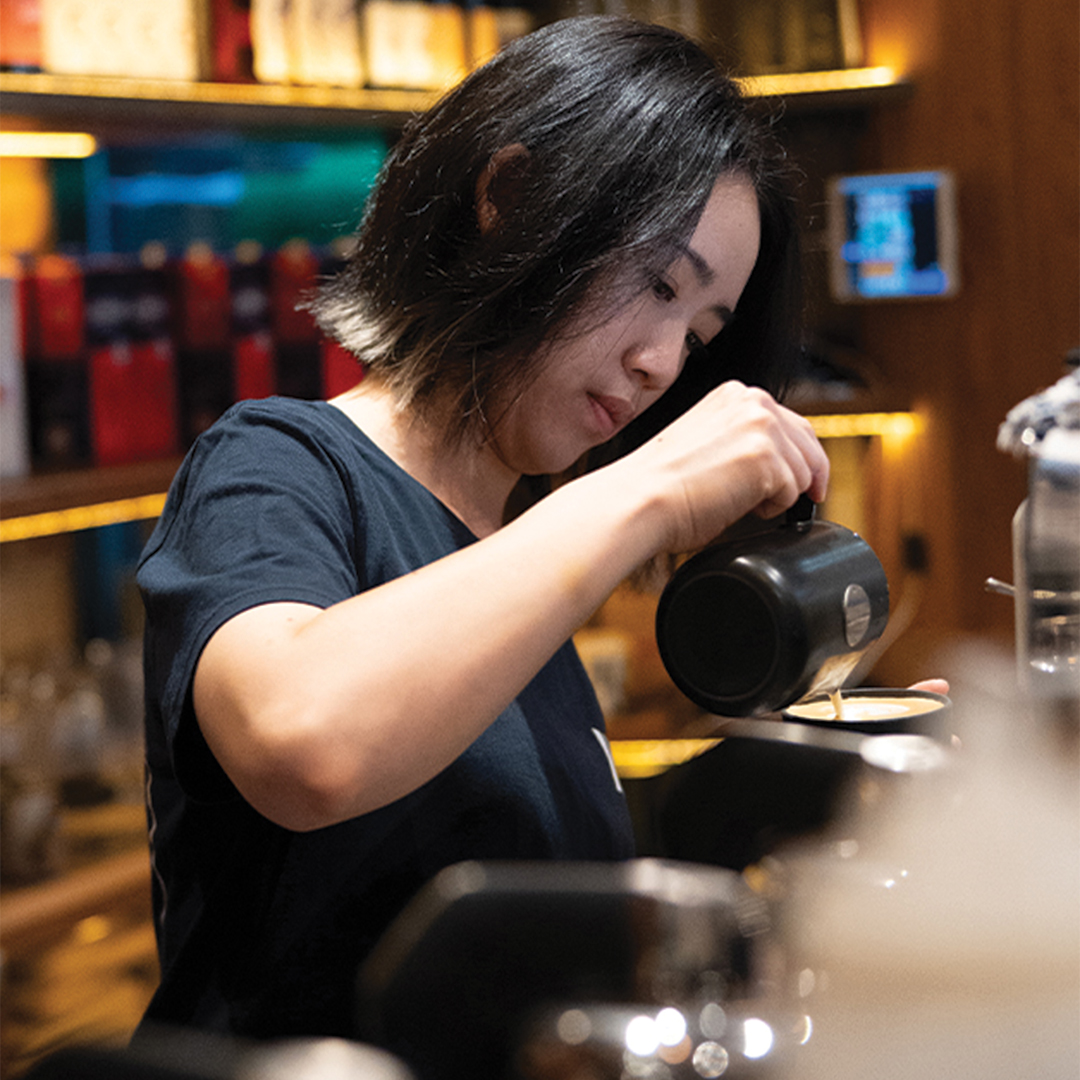
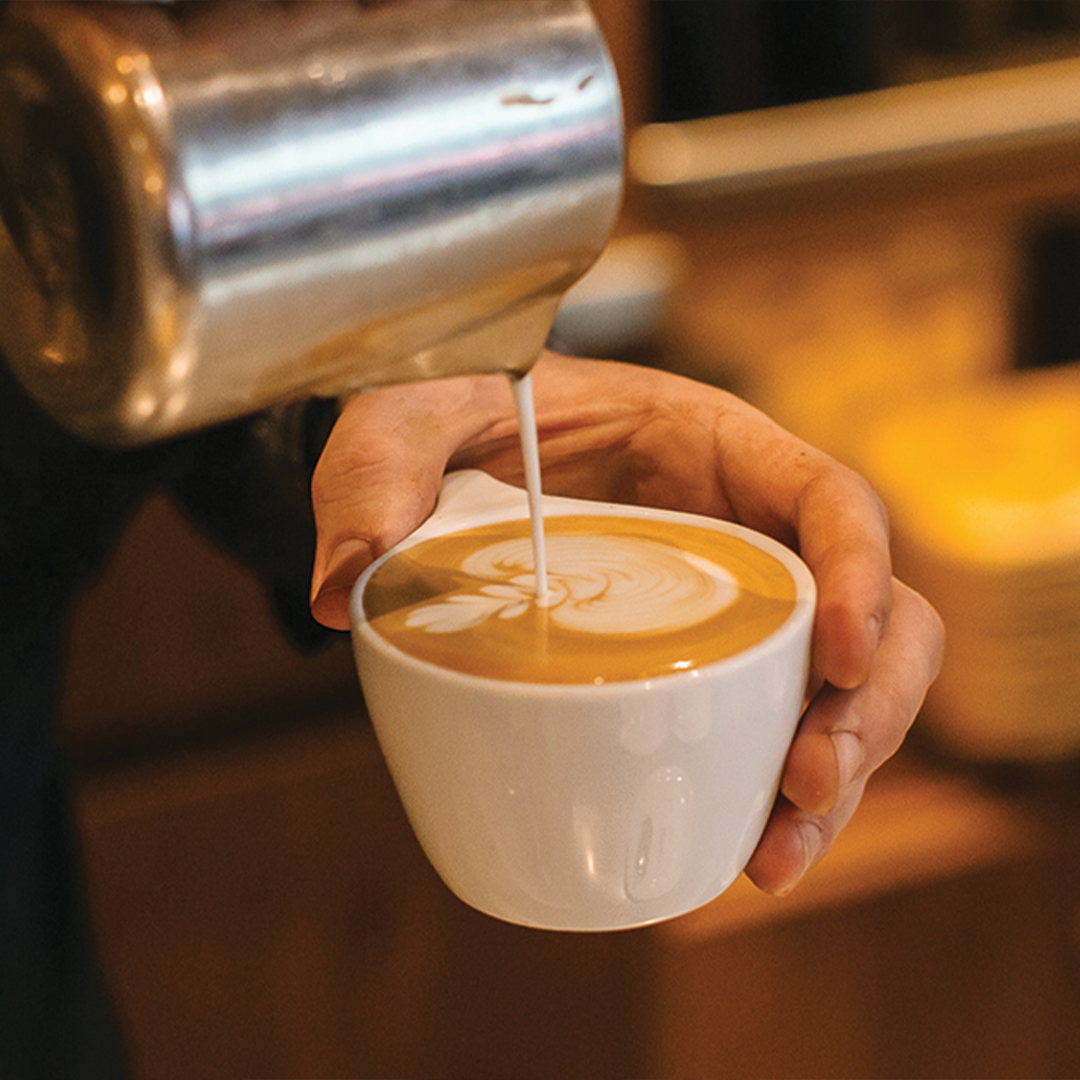
The barista becomes a high impact role. Less time locked behind the machine. More time guiding customers, building mini experiences, introducing signature drinks and explaining flavour. In roles akin to sommeliers, Baristas will help guide customer beverage selection
Baristas also influence menu development, workflow design and profitability. As automation improves, human value shifts to taste, story and hospitality. The best baristas solidify the experience and the memory that brings customers back.
2. Cafes reinforce their place as cultural hubs
Cafes deepen their role as neighbourhood engines. Workshops with local artists. Cuppings with roasters. Micro events. Seasonal launch nights.
Some cafes create rotating signature drink menus tied to weather, produce or stories from origin. Hybrid workers treat the cafe as their “third office”. A strong sense of place and connection becomes a competitive edge.
3. Automation grows up
Automation stops being defensive. It becomes deliberate. Super autos machines hit new levels of consistency. Milk systems become precise enough to meet specialty standards. Baristas use automation to run faster during peaks while still delivering warm, human service.
The message is clear. Automation does not replace the craft, It will help preserve it.
4. Reusable systems continue to rise
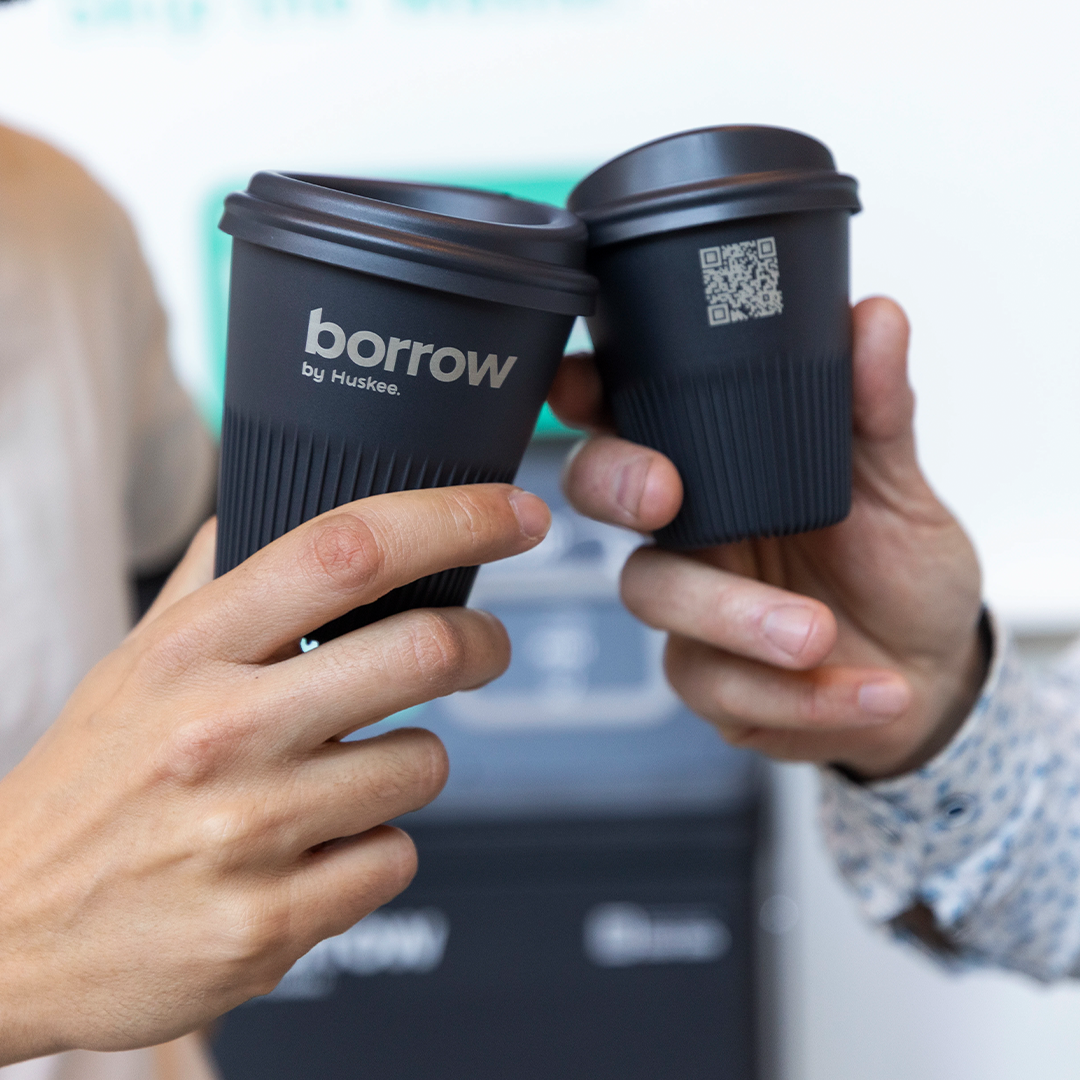
Sustainability shifts from optional to operational. Reusable cup programs grow as more councils and regulators tighten waste expectations. Refill beans, concentrate growlers, bring your own container schemes and compostable solutions expand.
Cafes start measuring the impact as a metric of success, not just a slogan.
5. Innovation becomes a survival strategy
Margins stay tight across Australia. Innovation is no longer about delighting. It is about survival. Seasonal menus, signature drinks, rare origins, fresh branding, interactive tasting flights and strong hospitality help cafes stand apart in crowded markets. Doing the expected is no longer enough.
Customers crave a spark and will seek out an experience they can talk about with friends, communities, and on broadcast on social media.
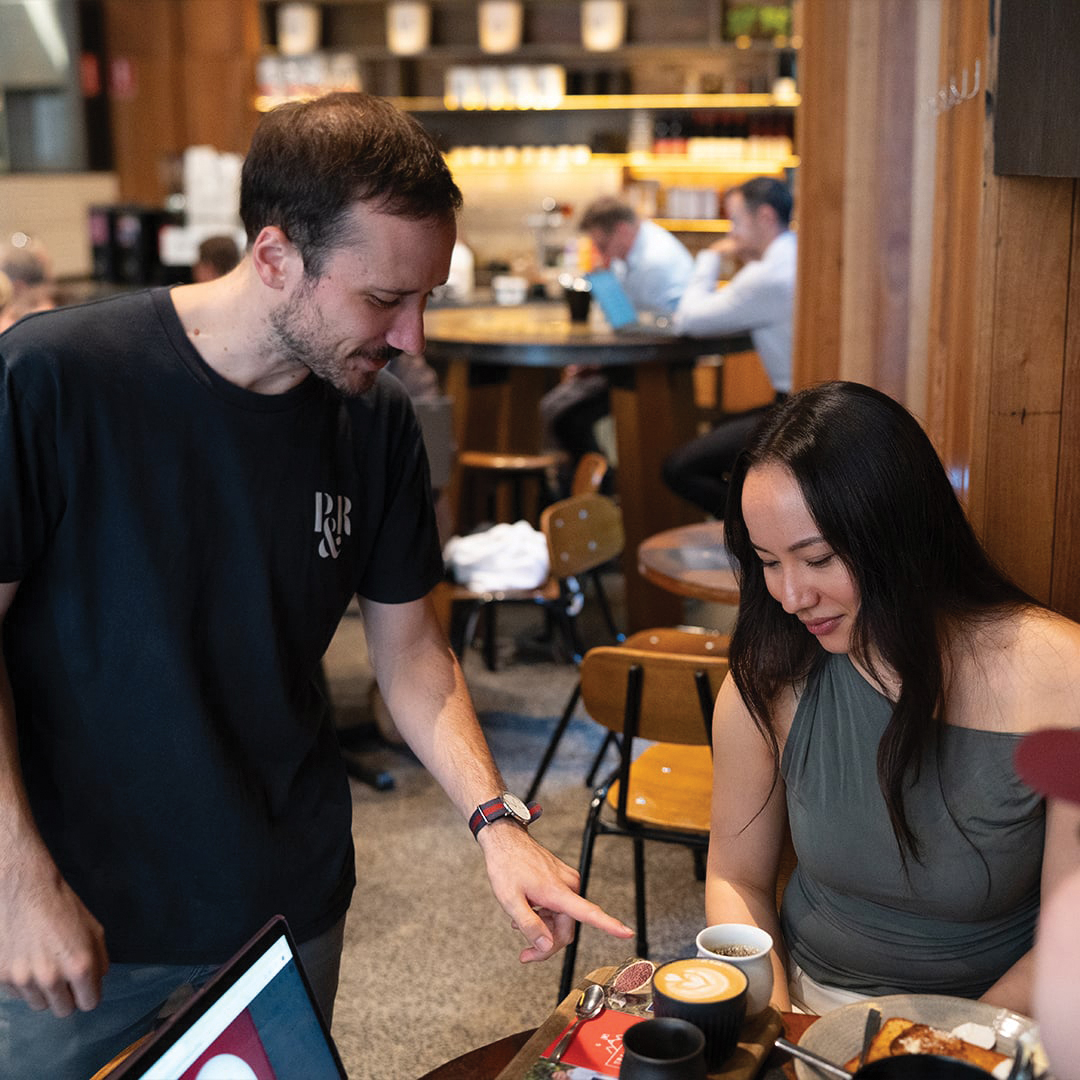
6. Putting the host back in hospitality
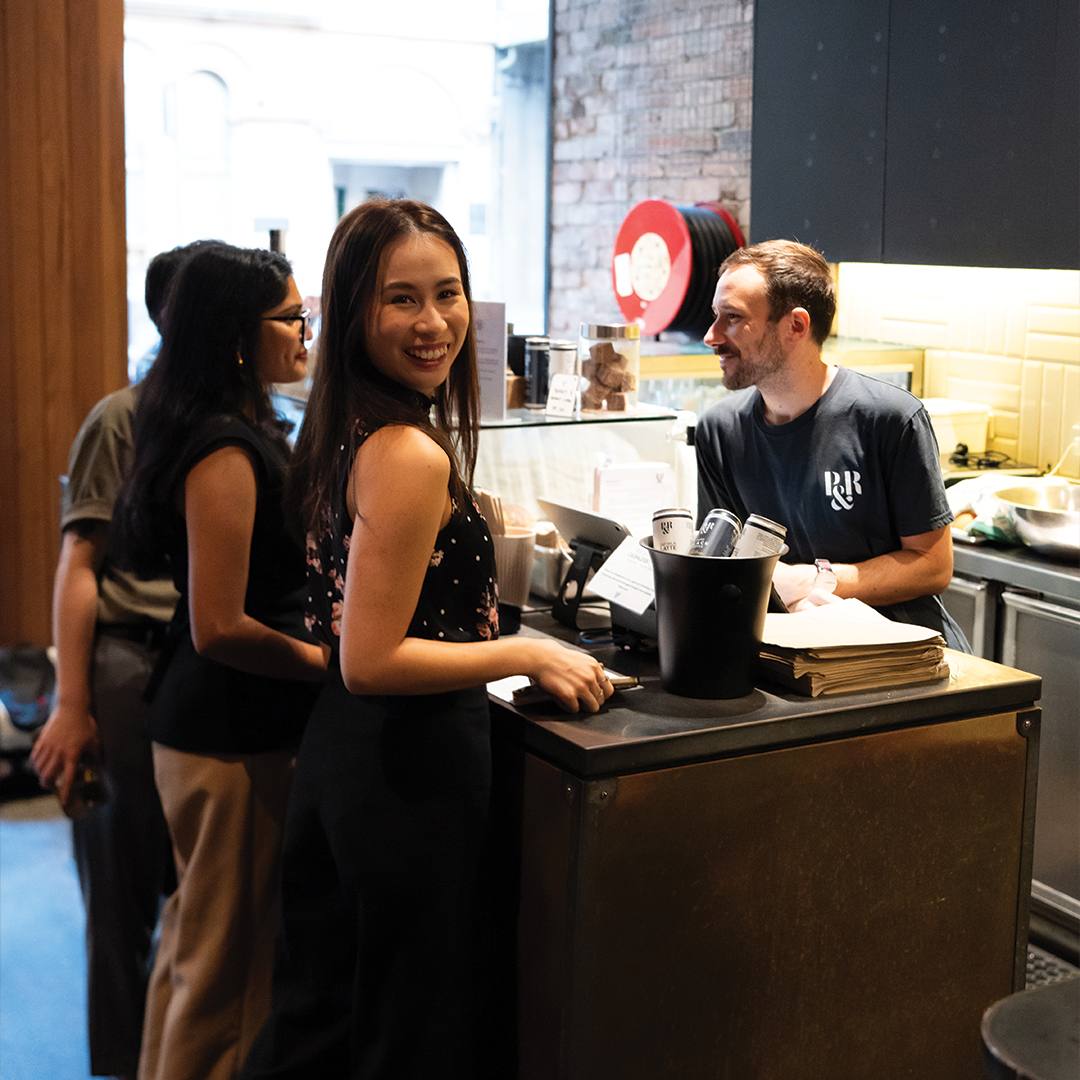
Human service becomes a superpower again. Greeting customers well. Knowing their names. Remembering their drink. Walking food out with care. Checking in. Small moments build loyalty faster than discounts.
The leaders in 2026 will train hospitality with the same seriousness they train latte art. Being proactively hospitable will be a big driver for success.
Equipment trends
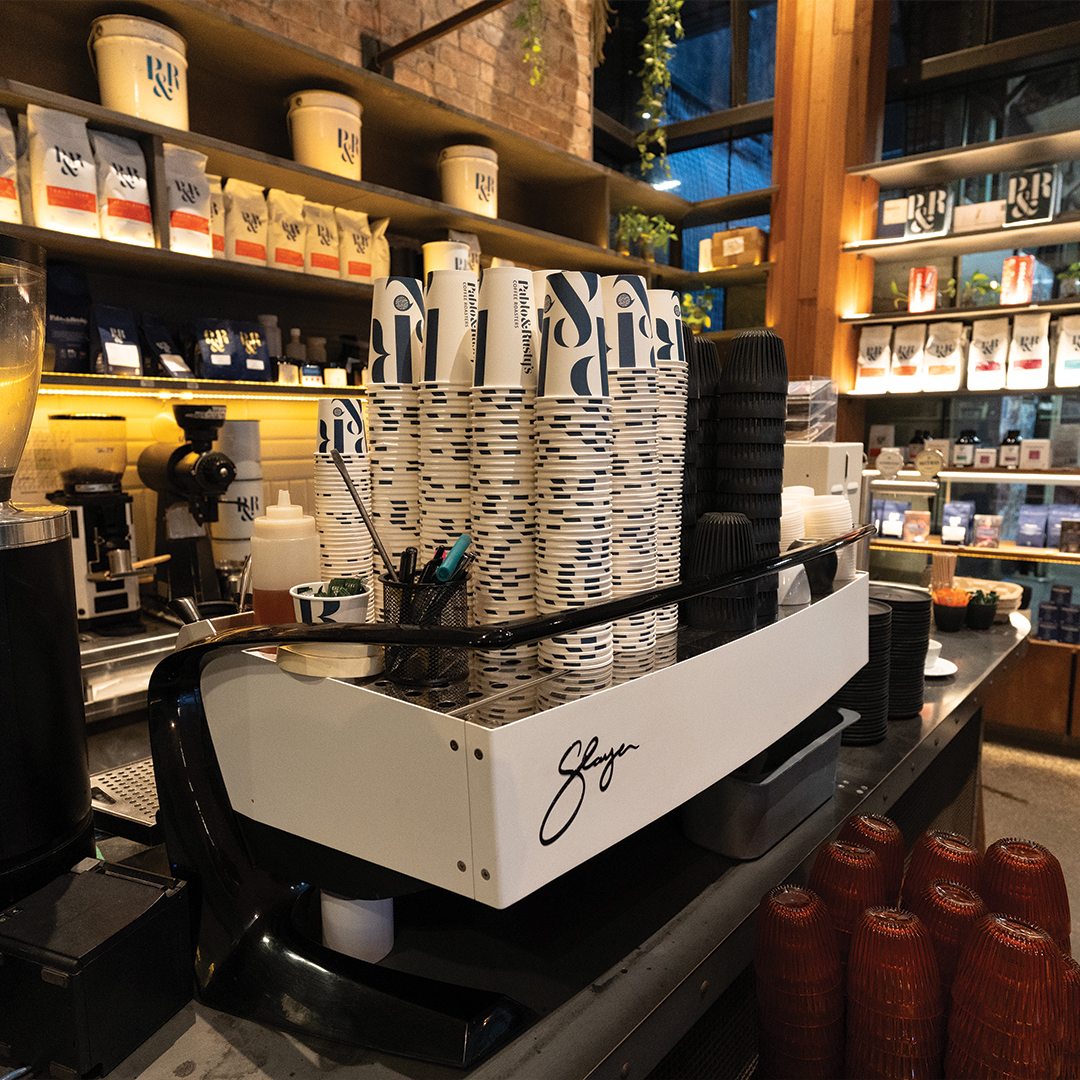
1. Automation for consistency and speed
Espresso machines self adjust. Grinders lock in precision. Milk systems handle multiple milks without slowing down.
Cafes adopt equipment that reduces stress during peak times and builds predictable workflows.
2. Pre grind and grind by weight becomes standard
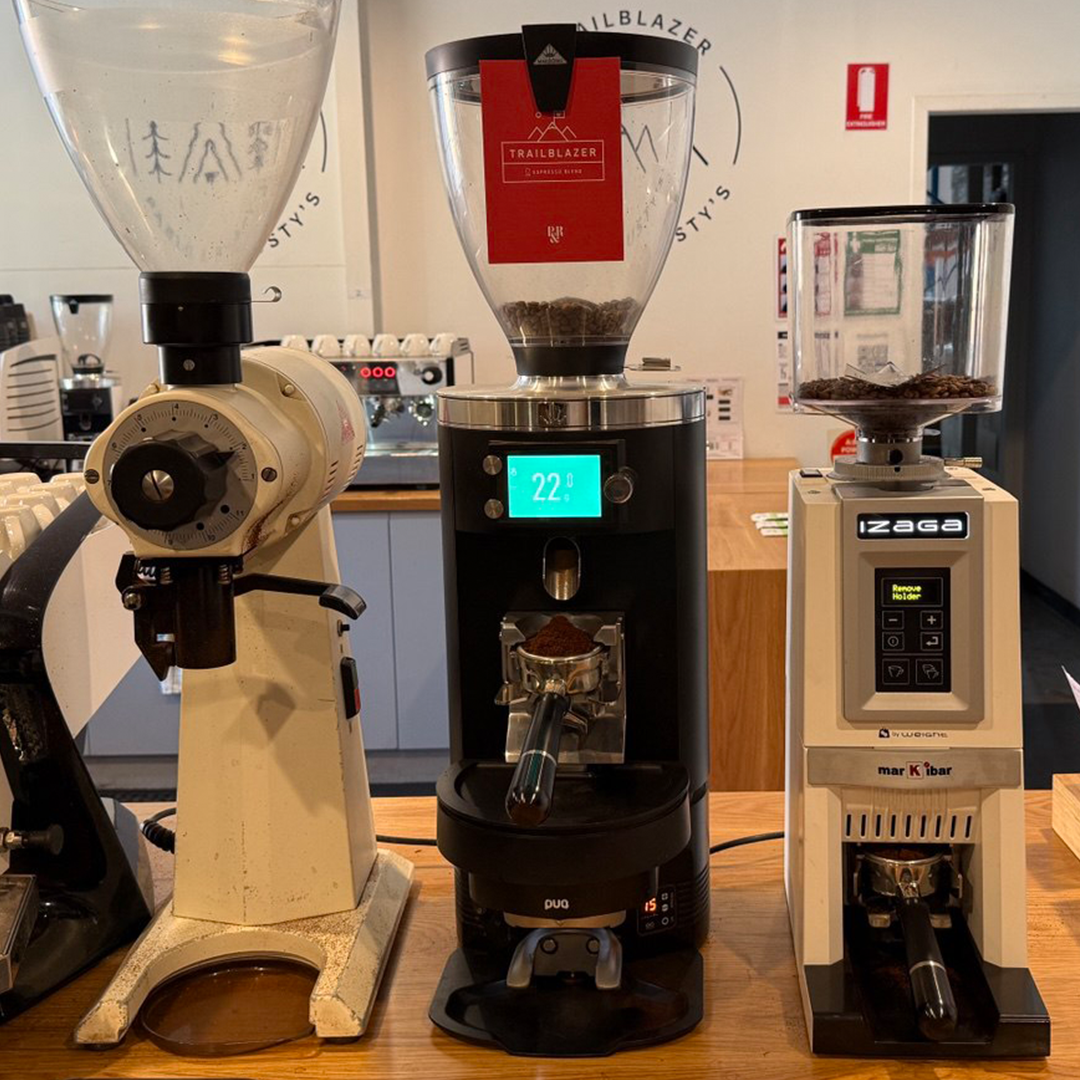
Batch based brewing grows with cold demand. Pre grind workflows help manage queues during the morning rush. Grind by weight becomes essential for consistency across baristas, shifts and volumes.
3. Focus on sustainability and energy efficiency
Energy efficiency matters more as power prices rise. Equipment with sleep modes, low energy boilers and eco controls becomes attractive. Roasters, grinders and brewers shift toward greener manufacturing.
4. Next generation milk systems
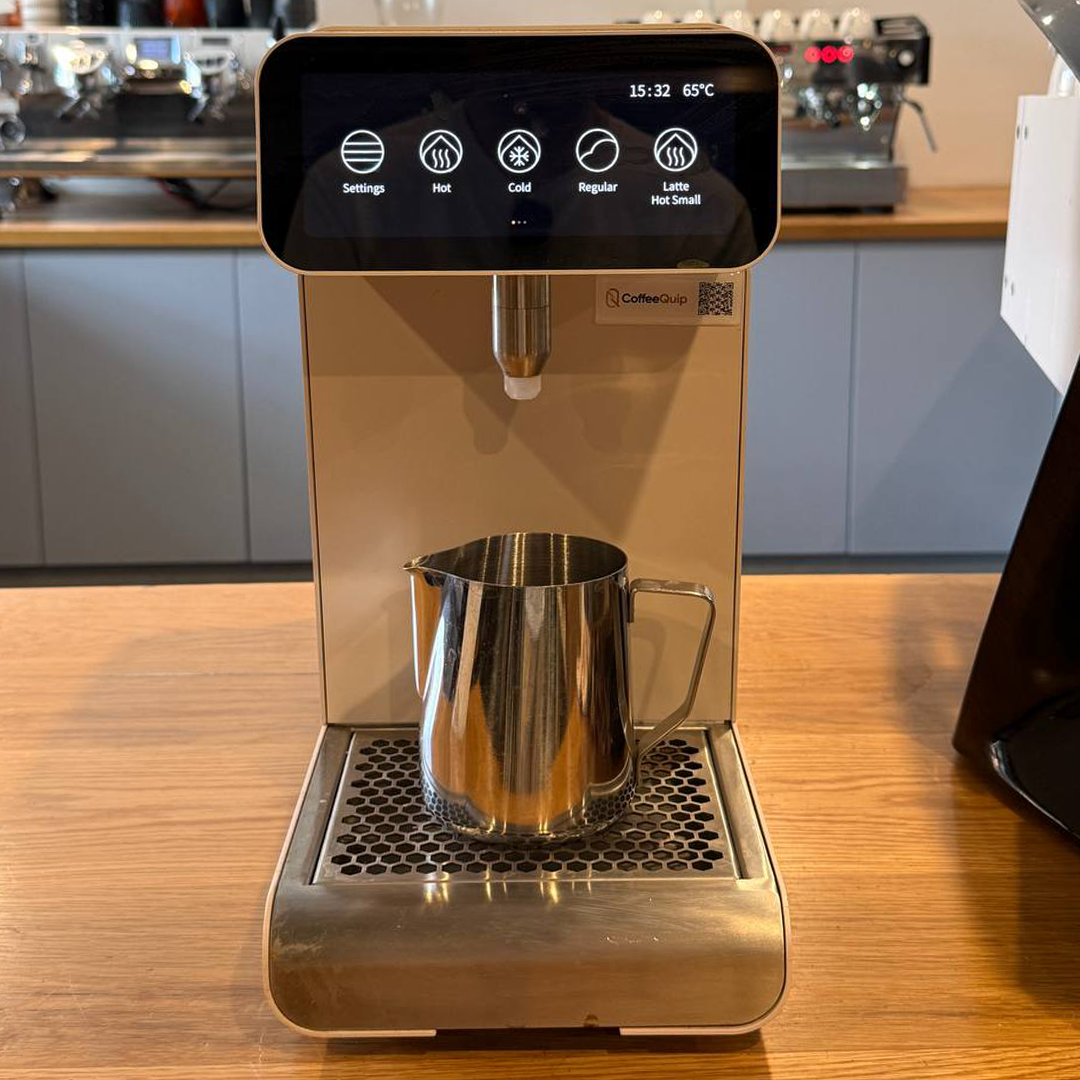
Milk remains one of the highest cost and labour centres. Systems that steam multiple milks, textures and profiles become prized. High volume cafes adopt milk banks, auto frothers and milk on tap to increase speed and reduce waste.
Looking ahead
2026 is a year of sharper identity, smarter tools and deeper customer experiences. Cafes that embrace creativity, consistency, community and warm hospitality will rise above the noise.
Those who invest in their baristas, equipment, sustainability and signature flavours will stand out in a crowded field.
Quality still wins. Experience wins even more.
Which trend are you most excited to explore in 2026?