We talk endlessly about origins, altitude, processing methods, brew recipes and tasting notes. We obsess over extraction percentages and water chemistry. But for all the attention we give coffee, there’s one contributor that almost never gets mentioned.
The bee.
Not the farmer.
Not the roaster.
Not the barista.
The bee.
And yet, without Bees and other pollinators, the entire system that supports coffee production begins to breakdown.
This World Bee Day, it’s worth zooming out from the cup itself and looking at the ecosystem behind it. Coffee trees don't exist in isolation. They are part of a living, interconnected agricultural system that depends heavily on pollination. And we are proud to collaborate with fellow 1% for the Planet brand, Beechworth Honey, to celebrate World Bee Day 2026. Like us, Beechworth Honey chooses to do things differently. 1% off all the revenue they generate from their Bee Cause range is donated to an organisation that help protect our planet.
And the reality is: every coffee we drink is connected to bees in ways most people never stop to consider.
Coffee is an agricultural product first
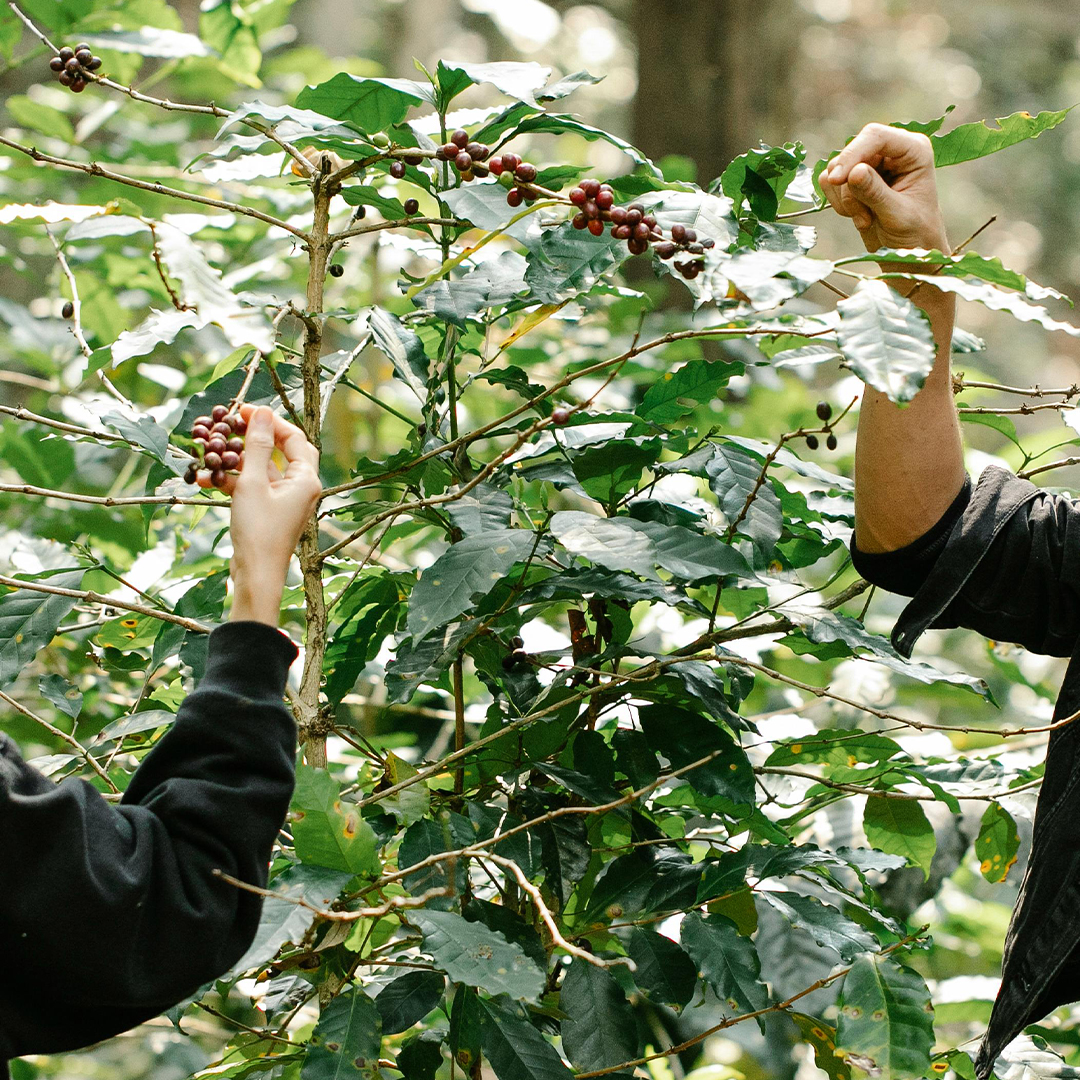
It’s easy to forget that coffee begins as a flowering plant. It is a fruit!
Before there’s espresso, cold brew or latte art, there are coffee trees producing delicate blossoms that need healthy environmental conditions to thrive. And bee activity has been shown to significantly improve crop yield and quality, even if coffee plants are capable of self-pollination1.
More pollination often means:
- more cherries on each branch
- better fruit uniformity
- improved bean development
- stronger farm productivity overall2
For coffee producers already navigating climate pressure, rising costs and unpredictable growing conditions, pollinators are beneficial and increasingly essential.
The future of specialty coffee depends on healthy ecosystems just as much as it depends on skilled producers.

Your milk choice tells the same story
Take almond milk. Our data show it’s the most-consumed dairy alternative at our busy Sydney CBD cafe. And every year, around the world, commercial beekeepers transport thousands of hives into almond-growing regions to pollinate orchards during the flowering season. Almond production operates at a scale that simply wouldn’t be possible without bees.
No bees, no almonds.
No almonds, no almond milk in your latte.
But dairy tells a similar story, too.
The cows producing milk for your flat white rely on feed crops like lucerne and other grasses, which often depend heavily on pollinators to regenerate effectively3. Bees support the pastures that support the dairy industry.
Whether your order is dairy, almond, oat or others, the thread keeps leading back to pollination.
Bees help hold entire food systems together
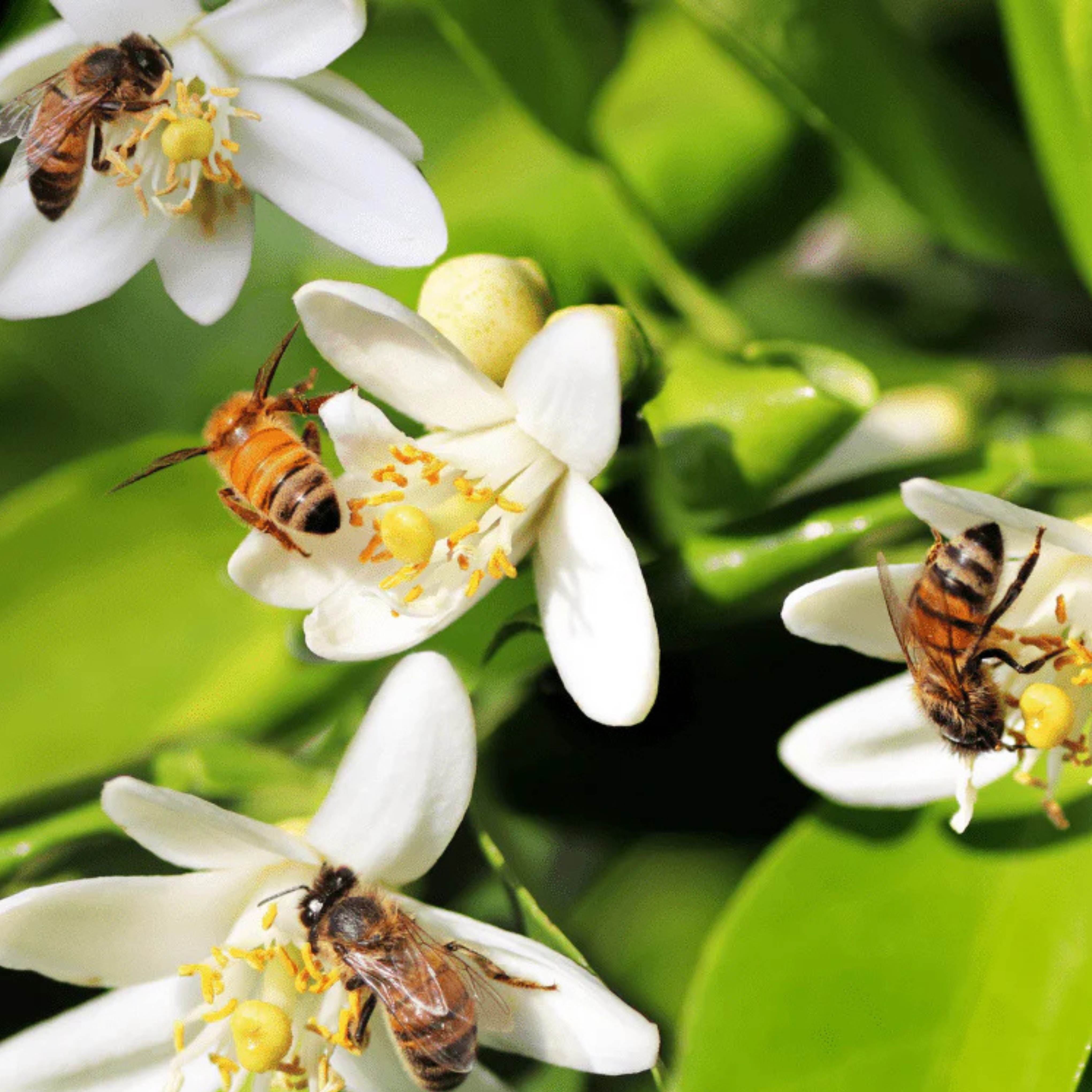
Bees support the broader ecosystems that make agriculture possible in the first place4.
Pollinators contribute to the reproduction of flowering plants across farms, forests and wild landscapes. Those plants help:
- stabilise soil
- improve biodiversity
- filter water
- absorb carbon
- support wildlife habitats
Healthy ecosystems create the conditions for healthy agriculture. And healthy agriculture creates the conditions for coffee. It’s all connected.
That’s what makes bees so important. Their impact might be invisible to most, but it exists everywhere, buzzing around in the background of daily life.
Bees should be part of the conversation
Sustainability in coffee often gets reduced to packaging, cups or carbon footprints. Those things matter, and we work hard at it. But sustainability at the agricultural level flows up the value chain into your cup.
- It starts with biodiversity.
- Healthy pollinator populations.
- Thriving soil systems.
- Resilient farms5.
Protecting bees isn’t separate from protecting coffee. The two are deeply intertwined.
Because the quality of what ends up in the cup will always depend on the health of the systems producing it.
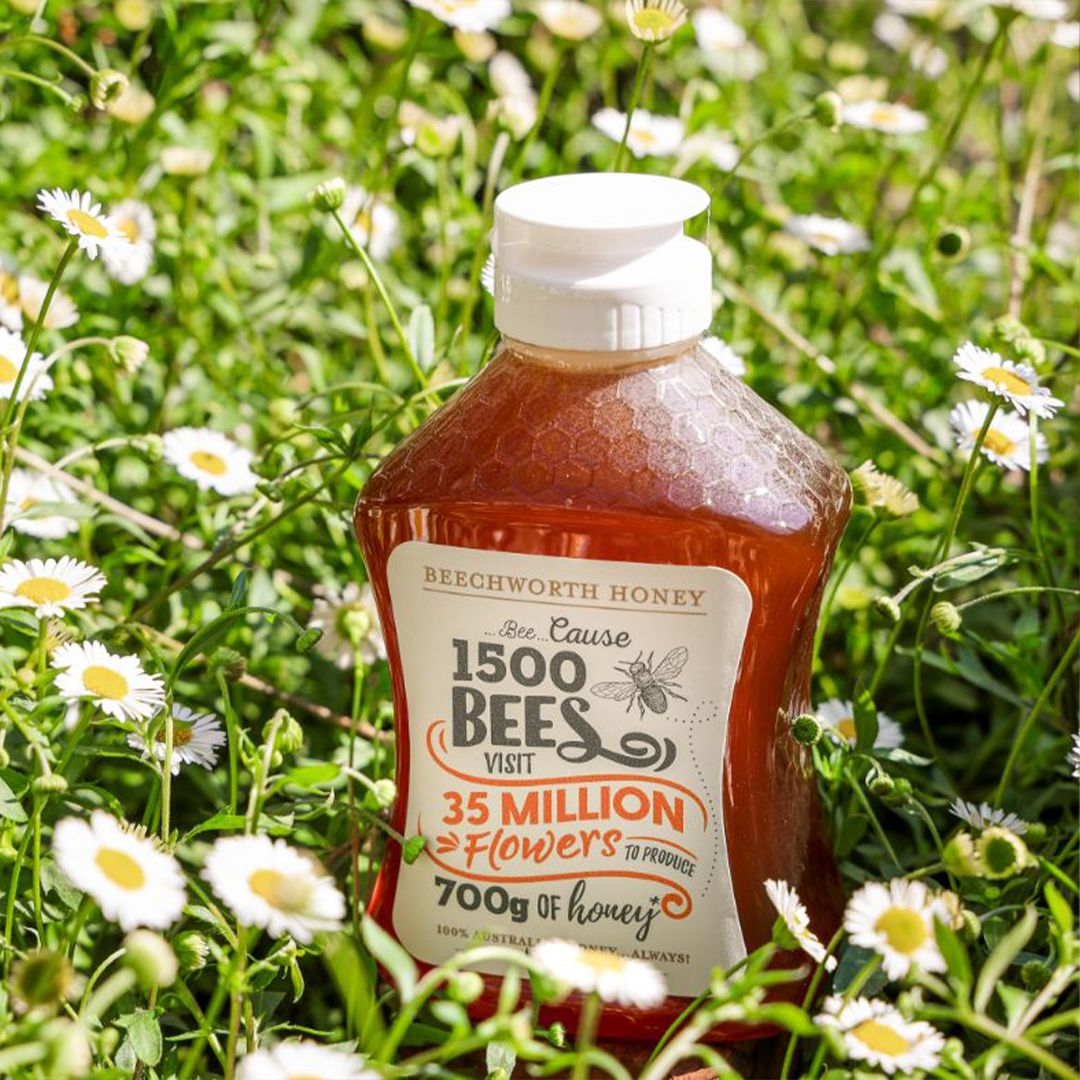
So this World Bee Day...
Maybe the goal isn’t just to appreciate bees.
Maybe it’s to recognise how dependent we are on things we barely notice.
A great coffee can feel simple: beans, water, milk.
But behind every cup is an entire ecosystem of growers, weather patterns, flowering plants, fertile soil, clean water and millions of pollinators doing invisible work every single day. Including the little bee that helped make your morning coffee possible.
This blog was in collaboration with Jayden Sinclair, Marketing Manager at Beechworth Honey.
References:
Agriculture, Ecosystems & Environment: Research on bee pollination improving coffee fruit set and cup quality: ScienceDirect study
Agroforestry Systems: Study on the impact of bee pollination on coffee yield and quality: Springer research article
Research on landscape pollination and coffee productivity: Coffee pollination study
Information on Australian honeybee pollination and agriculture: Australian Honey Bee Industry Council