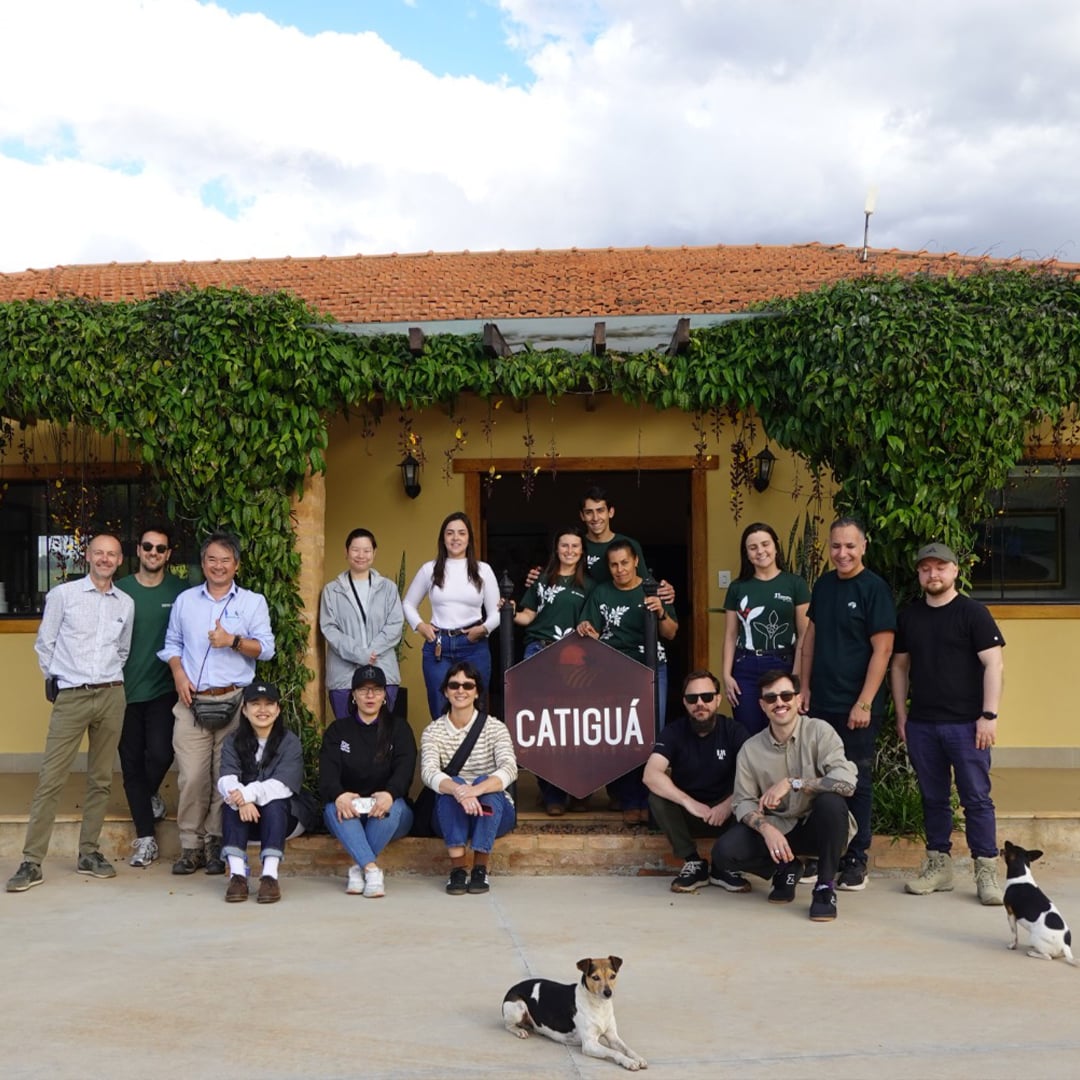
Through the bustling traffic and smell of Churrasco, we traveled from Sao Paulo to the beautiful coffee town of Varginha in Minas Gerais, Brazil. The scenery went from apartment blocks and large malls to coffee farms and cows, the perfect introduction to Brazil. Being the largest producer of Arabica coffee in the world and by some margin, we weren't here to pat the cows.
I’m Phil, Head of Coffee at Pablo & Rusty’s, and I was fortunate to travel with the InterAmerican coffee team to the largest coffee producing area within the largest coffee producing country to cup coffees for the NKG Verified Cupping Contest. The Verified Program is a responsible sourcing initiative that provides traceable coffees and supply chain visibility, ensuring production compliance with verified economic, social and environmental criteria. And the cupping contest aims to identify and reward the producers with the highest quality lots through an auction. But there’s a lot that happens between the coffee tree and the cupping table. Let's go on a little trip together to learn more about this.
“Cuppings like this promote producers to focus on quality lots on their farms and allow consumers to benefit from higher quality coffees.”
Scale like you have never seen
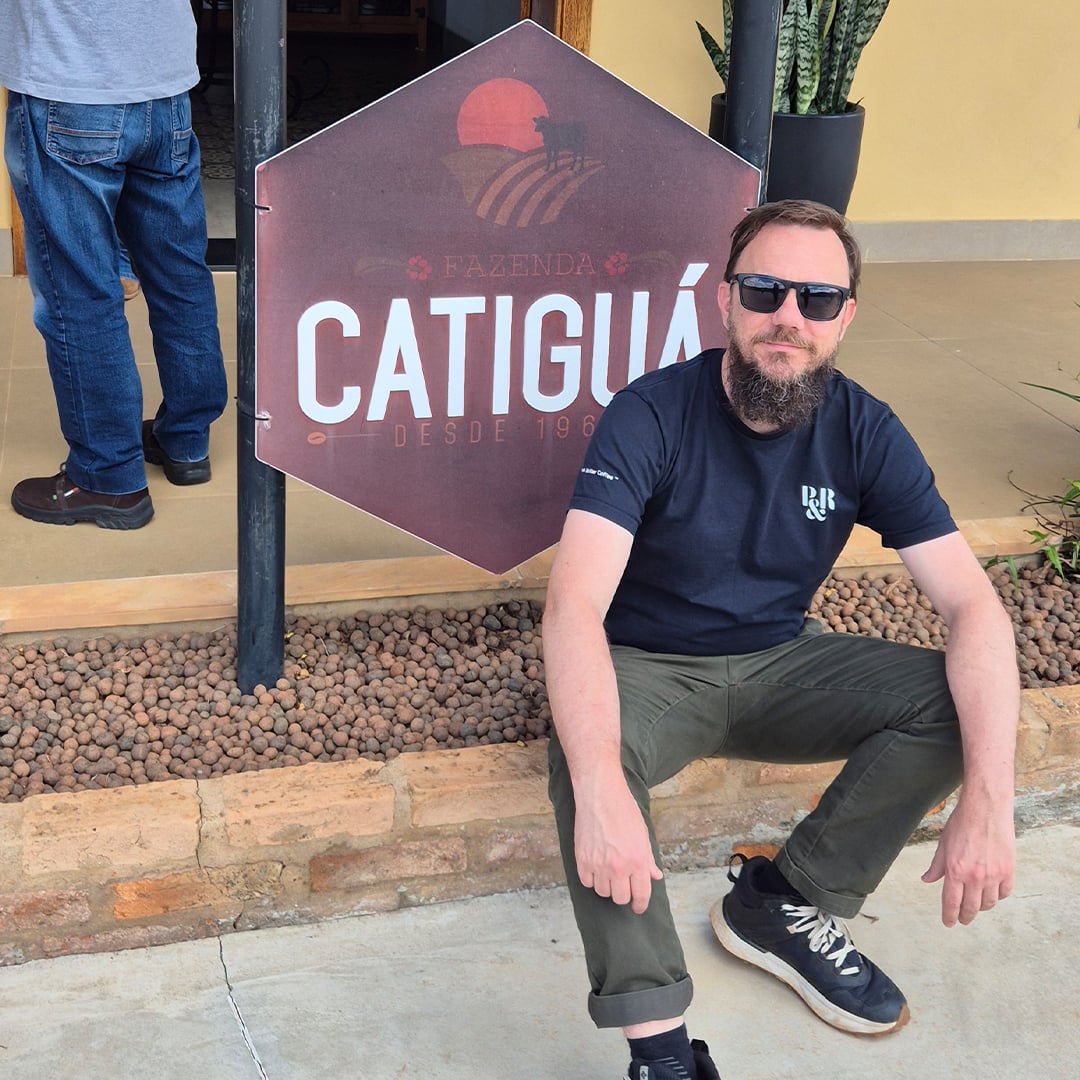
Farms in Brazil are something else. Because of the sheer size and scale of coffee growing, farms here operate on another level. Spanning over 3750 hectares, Fazenda Da Lagoa is practically its own town. The farm houses up to 20 families, has its own youth center and employs 300 to 500 staff depending on the time of year.
Driving into the farm you start to get a feel for just how large the farm really is, passing by the natural reserves and several natural springs you can see how much care they take of the environment here in Brazil. The natural environment is so important here that 38% of the land is set aside for protected forests and reserves. You can really appreciate nature here as you wander into the farm.
Innovation in harvesting
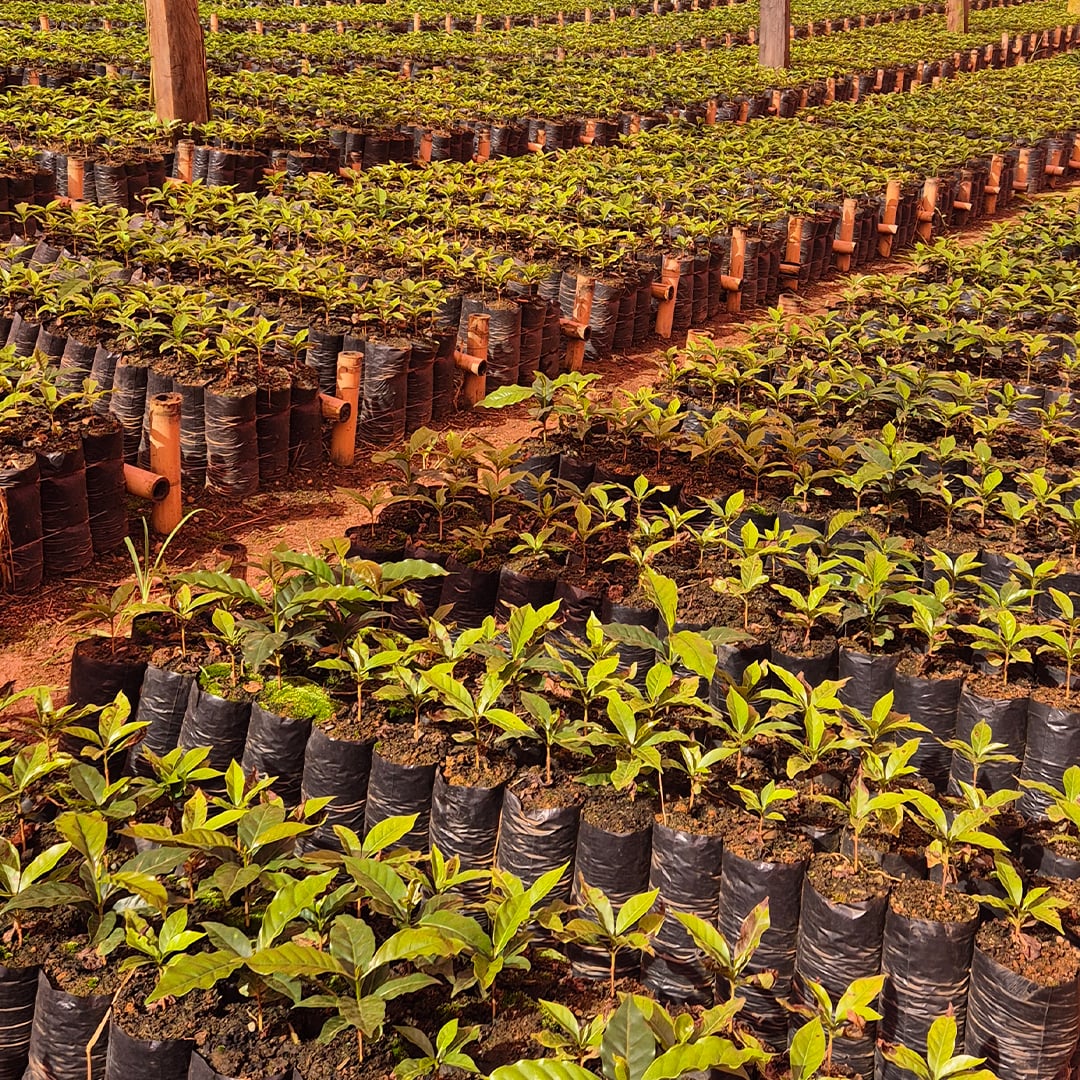
Harvesting in a large farm like Fazenda Da Lagoa is a monumental task. Like most farms in Brazil the process is heavily mechanised and automated to increase productivity and help reduce costs as manual labor in such a vast setting is not viable. However, with parts of the farm being inaccessible to machinery and the extra quality benefits of selective hand picking they still manage a small portion of the farm in this way. Other methods they use to help make harvesting more manageable on such a large scale is by strategically using different varieties that mature at different times of the harvest season as to spread out the workload over a longer period of time to manage processing and labor capacities.
The art of the process
Because of the sheer scale of farms in Brazil it makes it hard to do certain processing methods like the washed process. This is where you remove the coffee seeds from the cherry by depulping it and then fermenting them in water until the pectin layer or mucilage is able to be removed, this is then drained and moved with water to where it is dried. This is a very water-intensive process, but not only that, the amount of "fermentation tanks” and size that you would need makes it extremely prohibitive. This is where the natural process comes in. In this process the cherries are removed and after sorting and cleaning are taken straight to the drying areas. This is still heavy on space but easier to manage at scale than the water heavy washed process.
The other popular process used in Brazil is called pulped natural. This is generally using a mechanical depulper to remove part of the mucilage and then dried. Because of the efficient way of removing the mucilage it saves on needing excess water and reduces the time it takes to dry compared to a natural (Naturals have about 65% moisture, whereas pulped naturals have around 45%). This makes it quicker to rotate through coffee, however, it’s a little more complicated to manage on the drying patio so it requires more attention.
Managing the volume
One way farms in Brazil combat the high volume during harvest and managing drying space is to use mechanical dryers. This can be set on a timer to mimic as closely as possible the slow drying of the coffee that normally happens on the patio and intermittent resting (this is what naturally occurs at night when it’s cooler). This helps to accelerate the drying process and requires less area for drying.
Once all the processing has taken place you’re left with parchment coffee (pulped natural) or dried coffee pods (natural process). This is generally stored in temperature stable facilities until the moisture of the batch is stabilised. Because the drying process itself is stressful on the coffee it’s good to let it rest.
This in Brazil brings another challenge, storage. Massive warehouses are used to store this coffee. Large 1000kg bulk bags are used, normally stacked one on top of another for space efficiency reasons and in the case of NKG’s facilities in Varginaha, Brazil they use an RFID system to track each bag/lot and fork lift. This lets them know where every single different lot is and allows them to track every movement and with a capacity of nearly 1 million 60 kg bags worth this is no ebay task.
If there’s a mistake in the bag that is picked up by the fork lift driver then it can easily be detected and traced. With so many different bags and lots, you need a good system to ensure the coffee that is milled and sold through the facility is the one that the buyer is expecting.
Precision milling for specialty lots
The journey for the parchment coffee or pods isn’t over just yet. The parchment and pod needs to be removed. This is done with highly sophisticated equipment that can remove this layer while limiting the amount of friction or heat that could potentially damage the coffee. What you’re left with here is a multitude of bean sizes and defects. All coffees will have a number of defects and bean sizes, and it’s this stage that can shine a light on the overall quality of the coffee, without it you could be left with an inconsistent coffee with a lower overall quality score. Depending on the operation the coffee will go through three stages, screen grading - this is where coffee gets sorted into its different sizes.
Density sorting: lighter and denser beans are able to be separated here allowing the better quality denser beans to be isolated while removing partial beans and other defects. And finally colour sorting. This is the top of the range equipment that can pinpoint any other defect that can be detected visually.
The intended quality of the coffee will dictate the size of the facility, where it is milled, and the equipment used (and how it’s calibrated). For example, the lots we cupped in the NKG Verified contest were milled in a much smaller facility than the one used for the bulk of Brazil’s coffee. This allows for greater control of the process, as the equipment is optimised for smaller lots rather than large bulk volumes.
Rewarding the pioneers
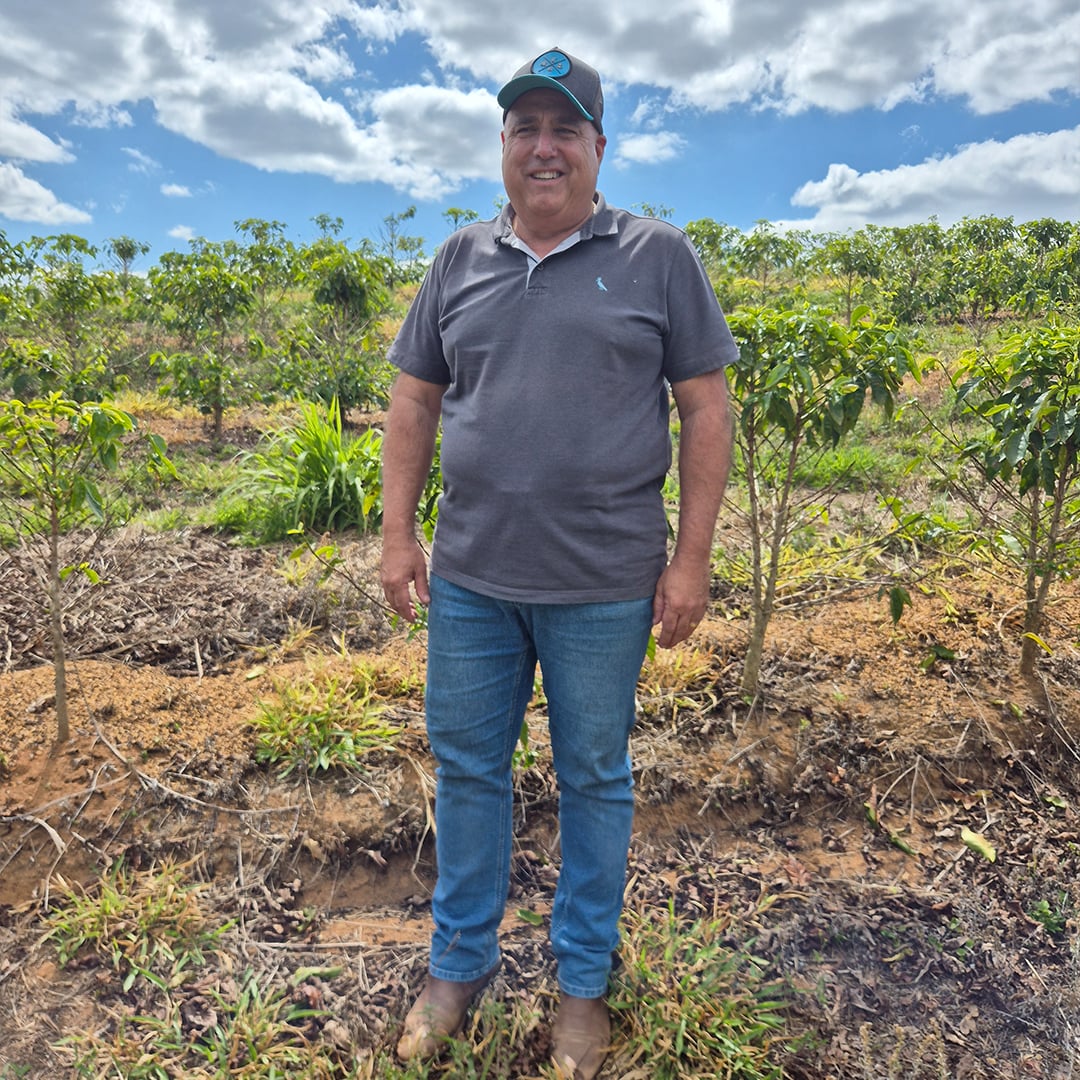
From these smaller facilities where the coffee can be watched more carefully comes the auction lots for the NKG Verified contest. Coffee farmers from all over the region that partake in the verified program drop off coffees that meet the quality requirements for contest entry. Coffees must exceed 84 points to be considered. Once confirmed the producers are all paid the base auction amount, if they end up making it to auction the difference is passed on to the producer. This ensures that producers are being compensated fairly for their passion and hard work.
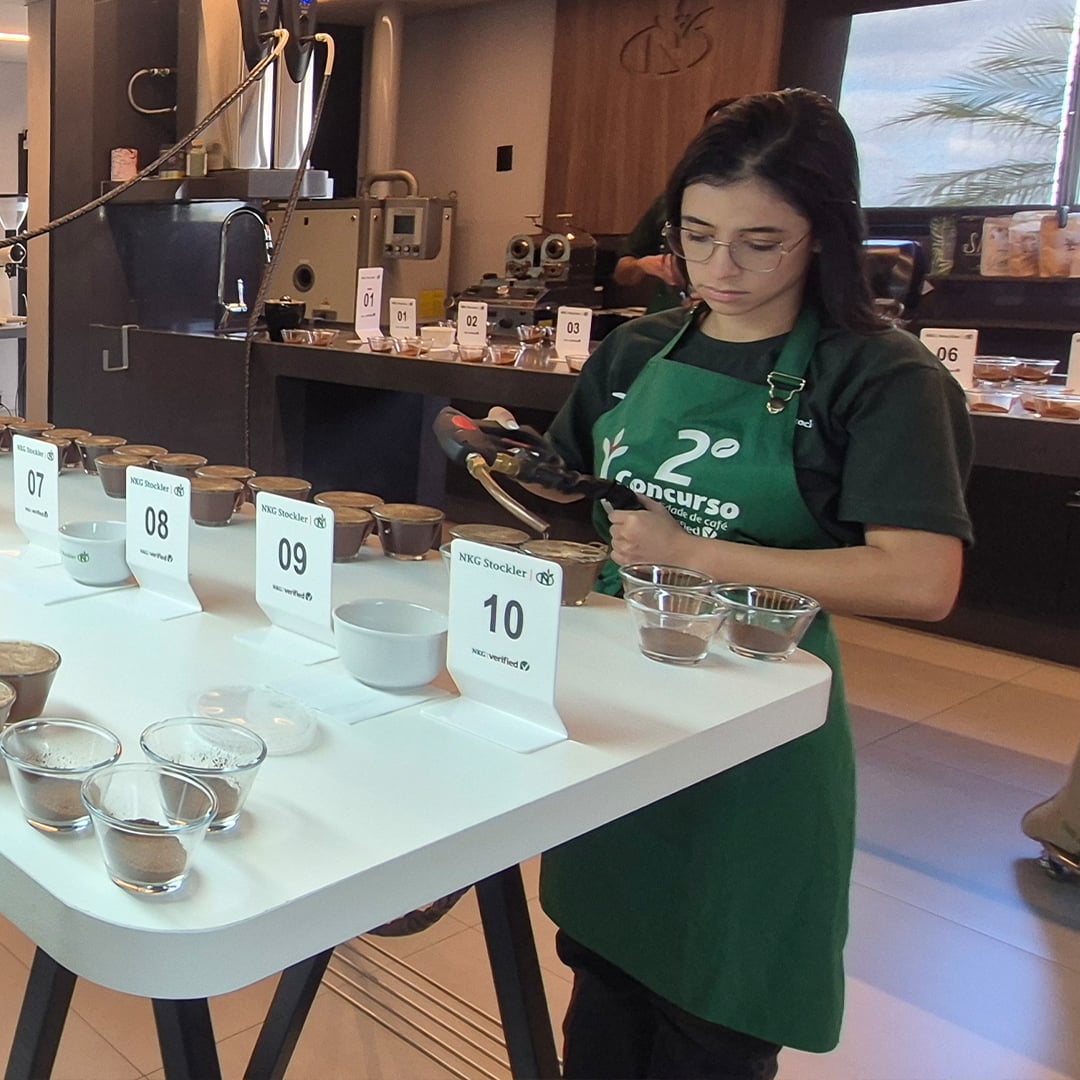
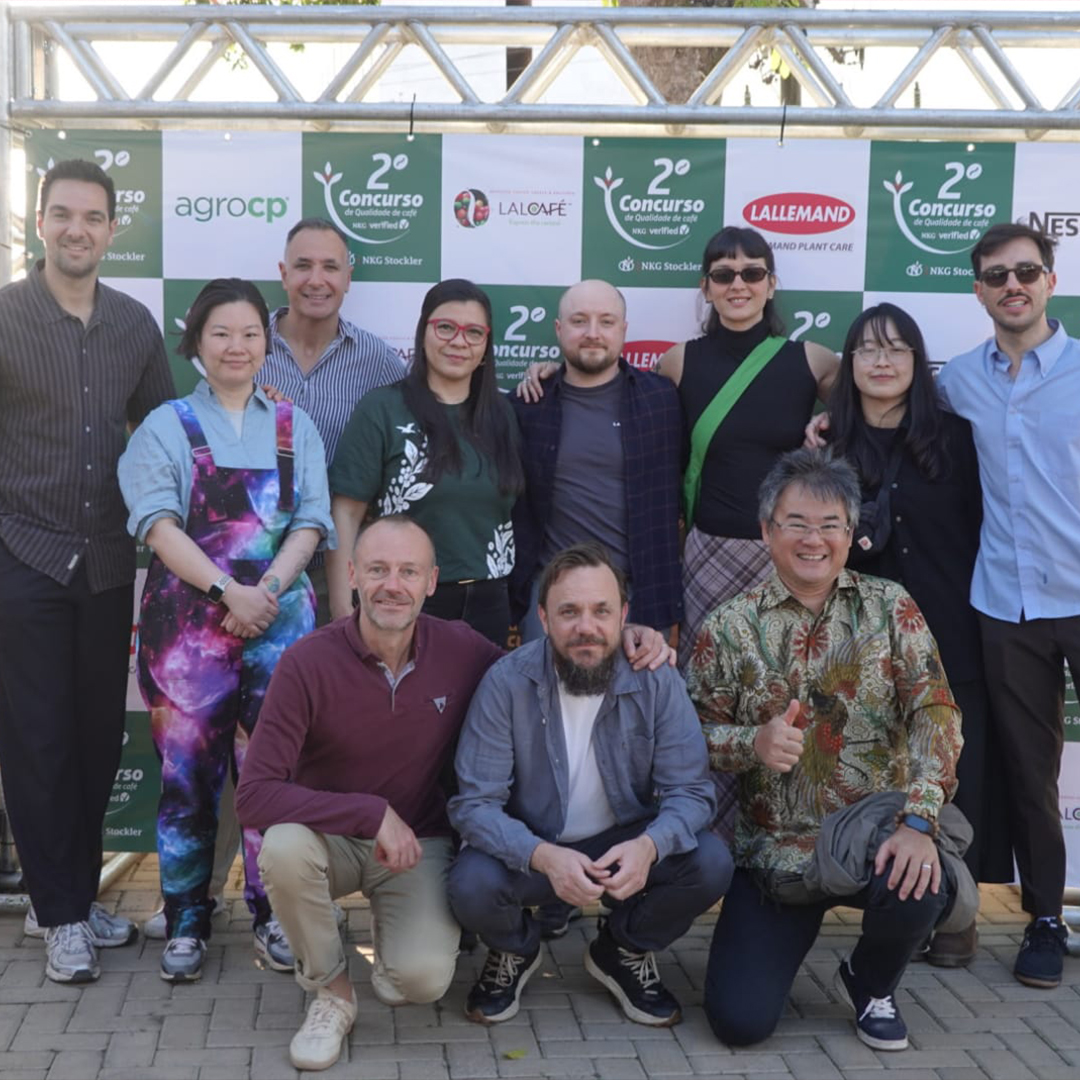
When the time comes to Cup these coffees we know all the focus and effort that goes into getting these ready, so it’s time to get our cupping faces on and make sure we are fairly rewarding the coffees for their quality and unique attributes. There are eight judges from all over the world to help assess these coffees and provide the valuable feedback that the coffee producers can use to improve future lots.
Discovery in every cup
Over three days, nine tables and 90 cups we slurped, assessed and debriefed every coffee. Sharing our scores and cupping notes, continually calibrating but maintaining our individual perspectives. There were some beautifully classic balanced coffees on the tables, some more fruit and ferment forward coffees and then some in between. There were coffees and profiles that I hadn't experienced from Brazil before. Cuppings and programs like this are super exciting, it promotes producers to focus on quality lots on their farms and allows consumers to benefit from higher quality coffees and new and exciting profiles from origins they may already have already made up their minds about.
Next time you order a coffee, take a moment to find out where it came from, who processed it, and how it was prepared. Don't take for granted the many stages and hours it took to get that lot ready for your enjoyment. Try an origin or process you think you don’t like. You might be surprised by what you discover about the journey of your daily cup.
Discover how we source our most unique lots. View our Expedition Program here.