Cafe owners spend a lot of time thinking about coffee.
They think about quality, service, pricing, staff training, equipment, menus and customer experience.
Far fewer spend the same amount of time thinking about cafe signage.
That's understandable. A sign rarely feels as important as a new coffee blend, seasonal menu or equipment upgrade.
Yet signage is one of the few things every customer interacts with.
"Customers are more likely to engage when they immediately understand why something matters to them."
From an A-frame on the footpath to a menu board behind the counter, signage influences what customers notice, what they order and what they remember about your cafe. When done well, signage can increase sales, improve customer experience and highlight the products that matter most to your business.
The challenge is that many cafes use signage to communicate information. Customers use signage to make decisions.
Understanding that difference can completely change how you approach your cafe marketing, menu design and in-store promotions.
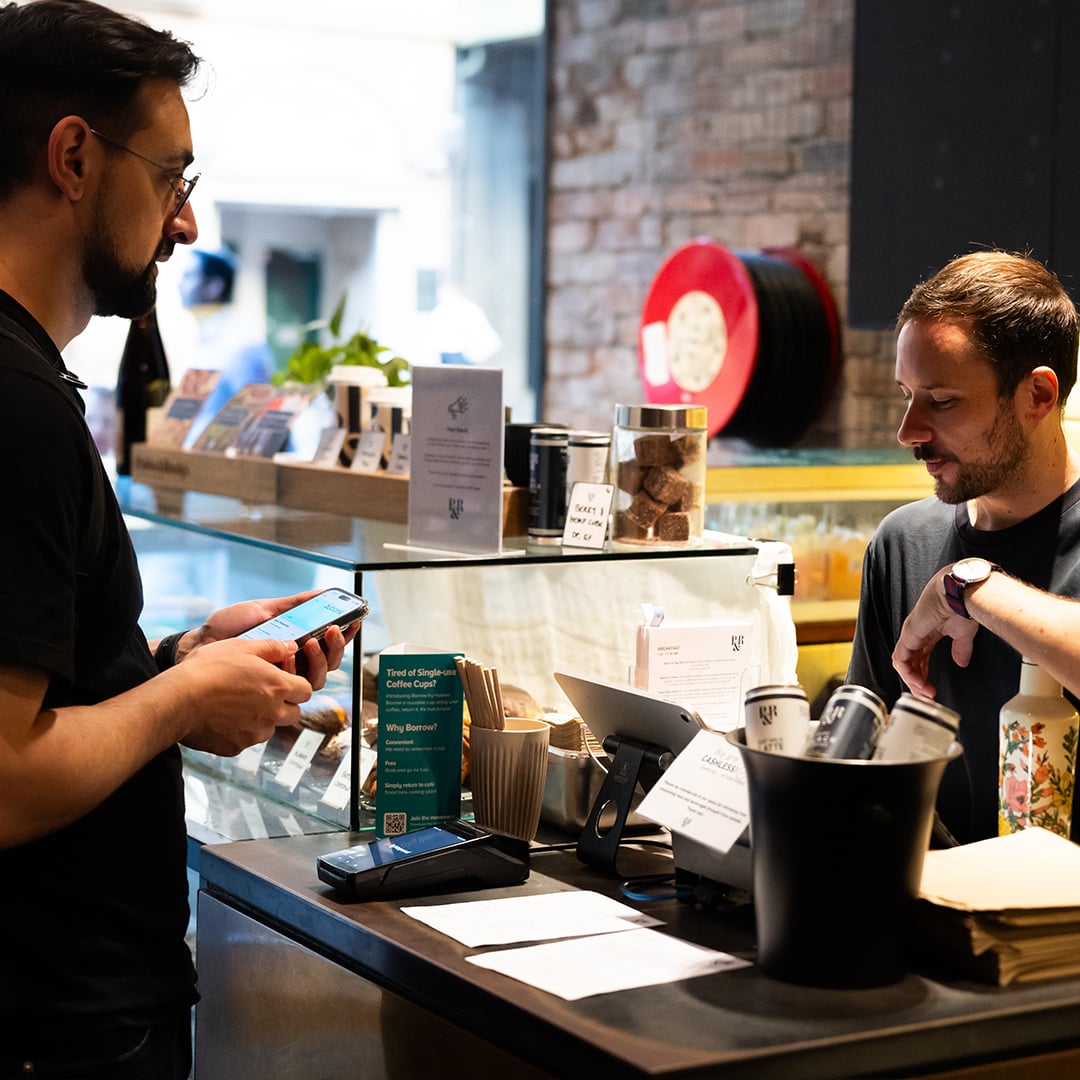
Great cafe signage helps customers make decisions
Customers are busy.
They're chatting with friends, answering messages, wrangling kids, rushing to work or simply trying to get their morning coffee.
Most aren't standing in your cafe looking for detailed explanations. They're looking for quick cues that help them decide what to buy.
That's why the best cafe signs are clear, focused and easy to understand.
One of the most common mistakes is trying to communicate too many things at once. A single sign that promotes a loyalty program, retail coffee beans, catering services, social media channels and a seasonal drink is asking customers to process too much information in too little time.
Good signage starts with a simple question:
What do you want the customer to do?
Maybe you want them to:
- Try a new signature drink
- Add a pastry to their order
- Purchase retail coffee beans
- Join your loyalty program
- Learn about a price change
Choose one objective and build your sign around it.
A sign has a much greater chance of success when it focuses on one message and one action.
This approach aligns with broader retail signage best practices. Clear messaging helps customers absorb information quickly and make decisions with confidence. Resources from Kwik Kopy Australia and VistaPrint Australia highlight simplicity, visibility and message clarity as key principles of effective retail signage.
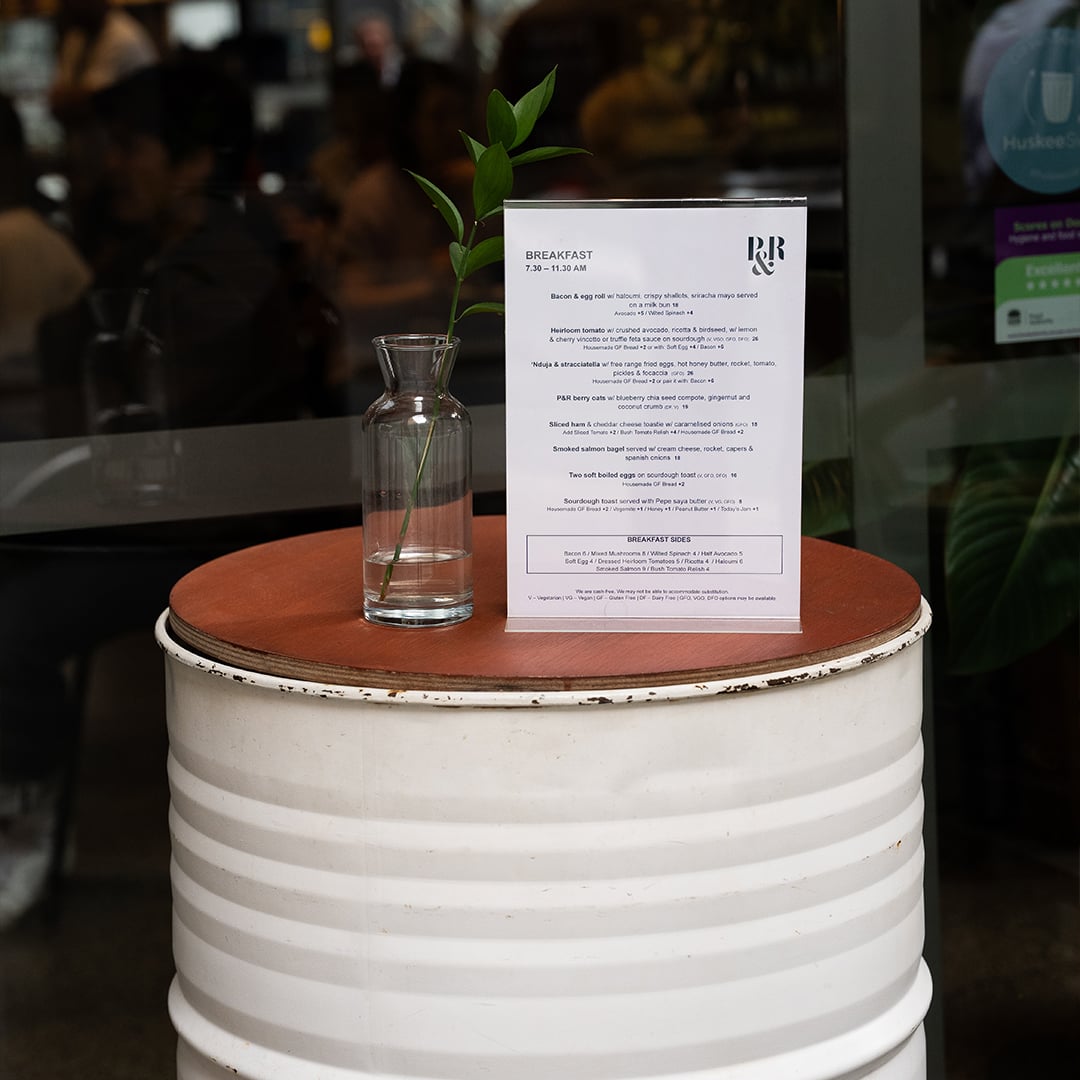
Your menu board is one of your most powerful sales tools
Many cafe owners see their menu board as a list of products and prices.
Customers see it very differently.
A menu board helps customers decide what to order. It influences purchasing decisions hundreds of times each week. That makes it one of the most important sales tools in your cafe.
The reality is that customers don't read menu boards from top to bottom. They scan.
They notice what stands out.
They look for clues.
They gravitate towards items that catch their attention.
If there's a signature drink, limited-time offer or high-margin item you'd like more customers to try, visibility matters. Placement matters. Language matters.
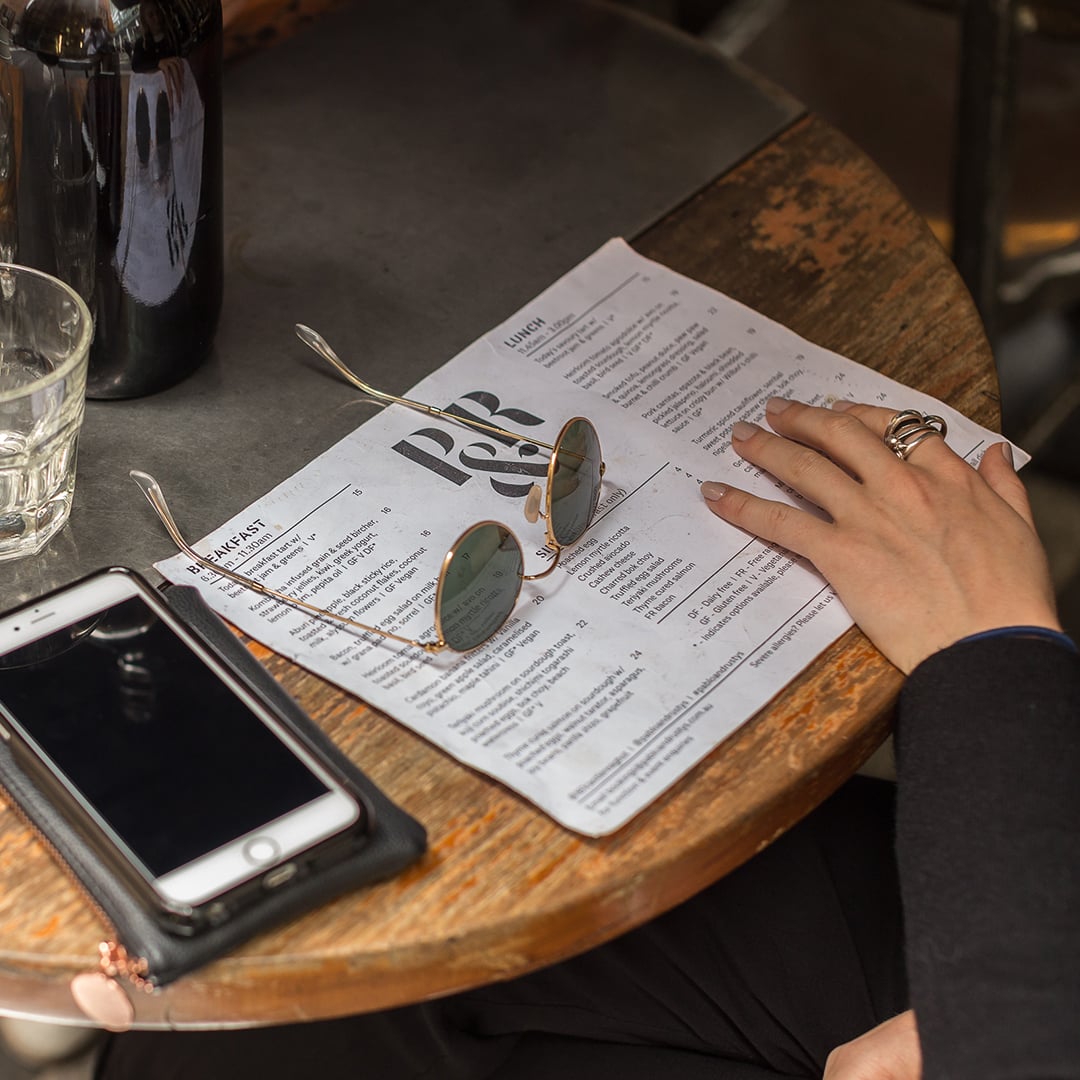
The same principle sits behind menu engineering, a widely used hospitality strategy that focuses on how menu layout and product placement influence purchasing decisions. A useful introduction can be found in this guide from ChefHire Australia.
The goal isn't to overwhelm customers with options.
The goal is to help them find something they want.
Great menu boards guide choices. They help customers discover products they may not have noticed otherwise.
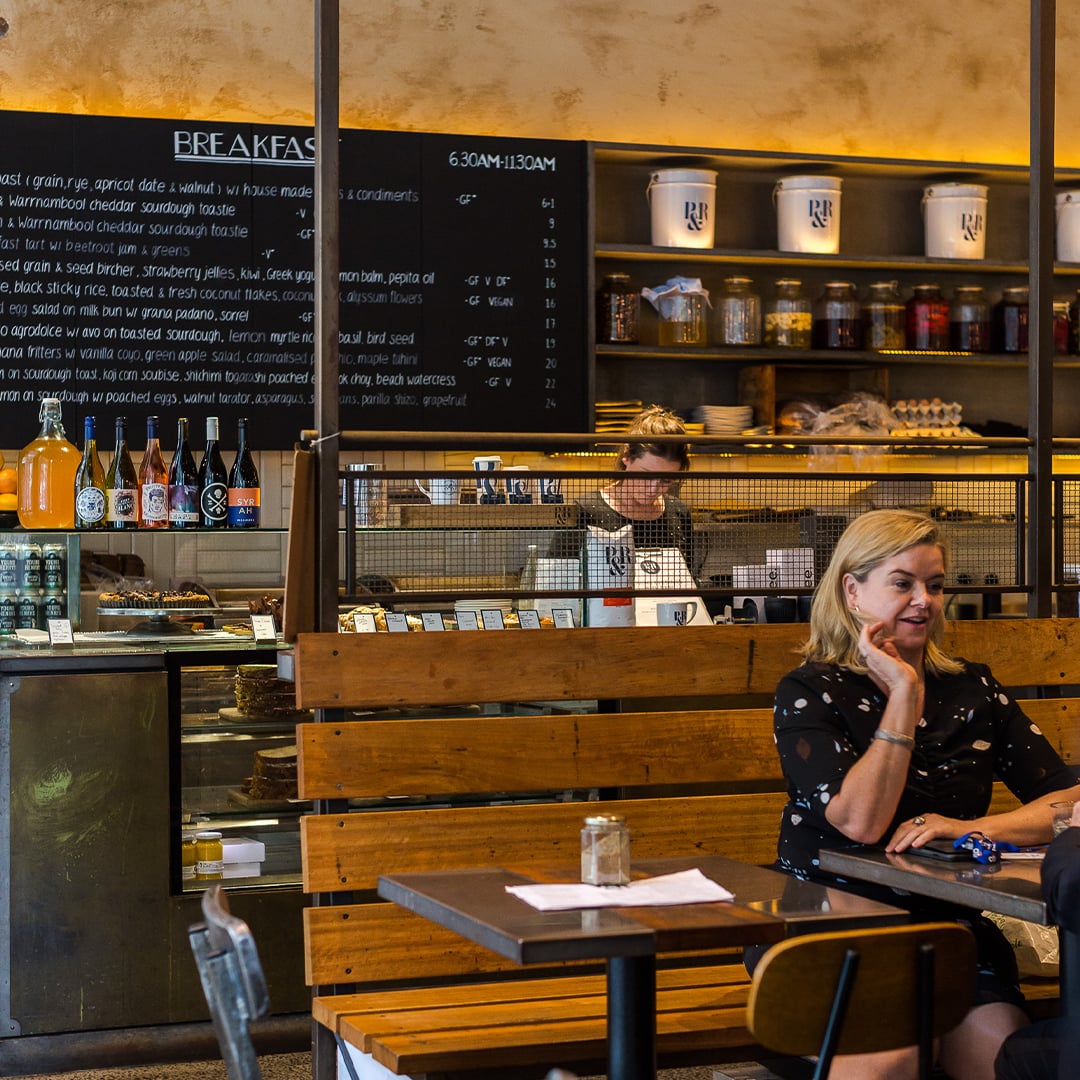
The best signs create conversations
Many cafe owners hope signage will do the selling for them.
The most effective signs often do something simpler.
- They spark curiosity.
- A customer notices a new seasonal drink.
- A regular spots a featured single origin.
A takeaway customer sees a retail coffee display and asks a question. The sign starts the conversation. Your team finishes it. And this is particularly relevant when it comes to retail coffee sales.
Many cafes place coffee bags on a shelf and hope customers notice them. Most customers, however, aren't actively shopping for beans while ordering a flat white.
Good signage helps create relevance.
Think about the difference between these two approaches:
Retail Coffee Beans Available
versus
Love your coffee here? Take it home.
The first describes a product.
The second connects with a customer's motivation.
That's often the difference between signage that gets ignored and signage that drives action.
The same principle applies to seasonal specials, coffee subscriptions, brew gear and merchandise. Customers are more likely to engage when they immediately understand why something matters to them.
Start with purpose, then design
When conversations about signage begin, they often focus on fonts, colours, templates, printing costs or design software.
Those things are important. They're just not the starting point. The most effective cafe signage starts with a clear purpose.
Before creating a sign, ask:
- What customer behaviour am I trying to influence?
- What decision am I helping customers make?
- What action do I want customers to take?
Once those questions are answered, design becomes much easier.
A beautifully designed sign with an unclear message will struggle to perform.
A simple sign with a strong message can be incredibly effective.
If you'd like to evaluate your current signage, try walking through your cafe as though you've never visited before.
Ask yourself:
- What's new?
- What's popular?
- What's unique about this cafe?
- What should I order?
- What should I take home?
If those answers aren't obvious within a few moments, there may be opportunities to improve your customer journey and in-store marketing.
At its core, great cafe signage isn't about graphic design. It's about attention.
In a busy hospitality environment, attention is one of the most valuable things you can earn. The cafes that use signage well make it easier for customers to notice, discover and act.
And often, that's all it takes to turn a sign into a sales tool.