This article was published by our friends at For Wild Places. And is based on a conversation between Tim Siegenbeek van Heukelom, Co-founder and Chair of For Wild Places, and our Saxon Wright, founder of Pablo & Rusty’s Coffee Roasters.
How trail running, community and purpose-led business can turn connection to place into action for the planet.
For Saxon Wright, trail running has never been just about kilometres, elevation or finish lines.
It is about connection. Connection to place. Connection to people. Connection to something larger than yourself.
Saxon is the founder of Pablo & Rusty’s Coffee Roasters, a B Corp and 1% for the Planet business that has long supported environmental action, purpose-led enterprise and trail running communities. He is also a runner, hiker, entrepreneur and, more recently, Chief Sustainability Officer at BioPak.
In conversation with For Wild Places, Saxon described the way he sees running, business and environmental responsibility coming together.
“I can go for a run on my own,” he reflected, “or I can do it with great people, or I could do it with great people that are aligned around a common purpose.”
That, he says, is where running becomes something more.
“Running as an input for my soul can also be an output for the planet.”
It is a simple idea, but a powerful one. And it is reflected in the relationship between Pablo & Rusty’s and For Wild Places.
Purpose does not arrive fully formed
Pablo & Rusty’s was not created from day one as a carefully planned sustainability business. Saxon is clear about that.
When he started, sustainability was not yet the mainstream business language it has become today. But his own love of hiking, running and the natural world was always there. So was his concern that we were not looking after the planet as we should.
“As you grow and build a business that you’re really close to, you can’t help but embed the values that you have,” Saxon said. “They slowly become organisational values.”
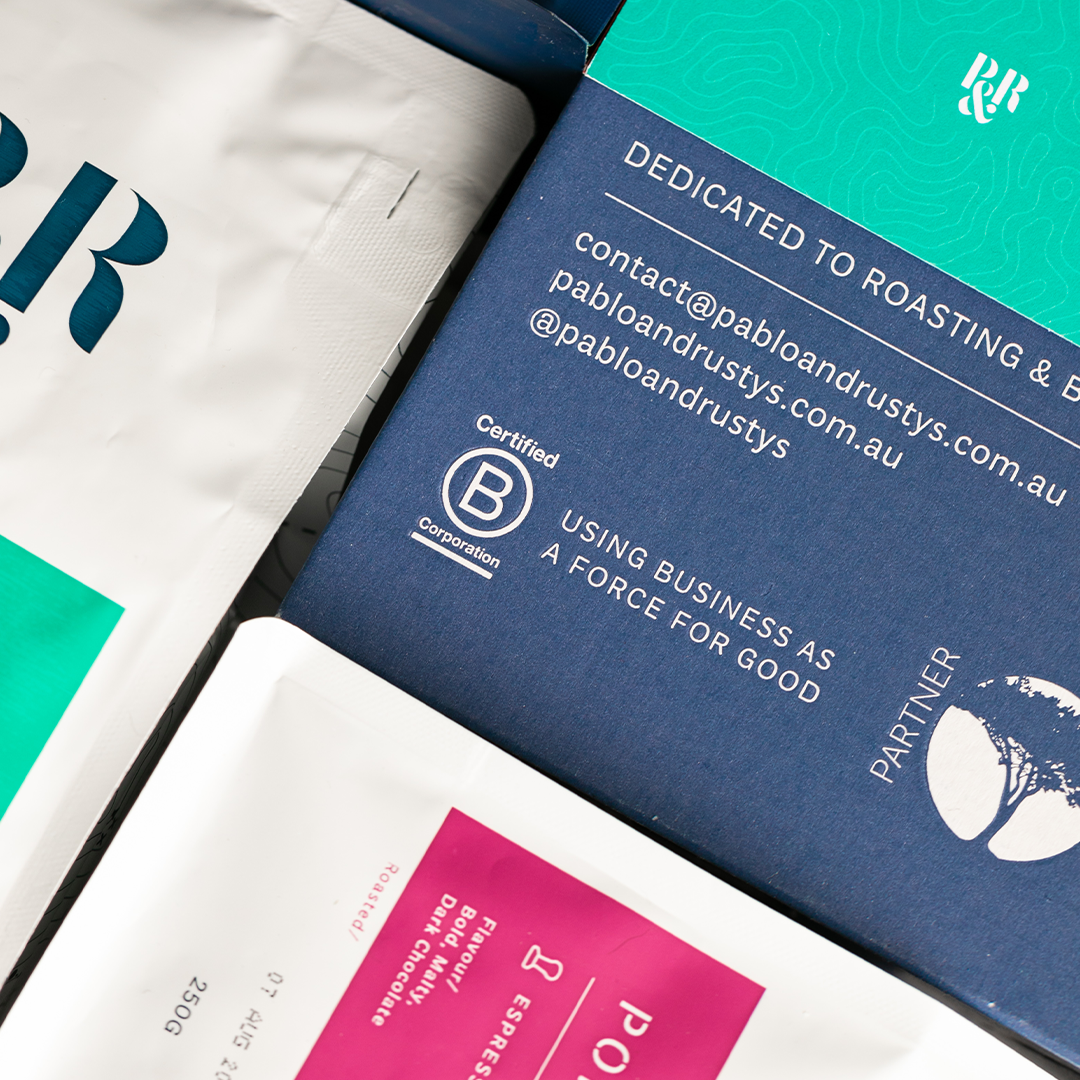
Over time, those values became more structured. Pablo & Rusty’s began to articulate what mattered, build it into the organisation, and use frameworks such as B Corp and 1% for the Planet not as marketing badges, but as tools for accountability and learning.
“Values come first,” Saxon explained. “Then things like certifications follow. They become benchmarks and measurements which you hold yourself accountable to.”
For him, B Corp was not just an external stamp. It was an internal education process.
“I thought we were doing a lot,” he said, “but B Corp, just going through the process, showed me that there’s actually so much more I could do.”
That distinction matters. Purpose is not just what a business says. It is what it chooses, measures, funds, repeats and improves.
Turning waste into value
One of the clearest examples of that approach was Huskee.
Through Pablo & Rusty’s connection to coffee farms in China, Saxon and the team became aware of coffee husk, a by-product of coffee production that was often treated as waste.
It was not just inconvenient. It could pile up, get wet, attract pests, create health risks and cost farmers money to remove. Rather than seeing it only as a disposal problem, Saxon asked a different question: could this waste stream become useful?
“If we could buy it, well, that becomes an income stream for the farmer,” he said. “We can create products with a low-cost input. It gets rid of it. Instead of it being a cost for them, it’s a revenue.”
The idea did not turn into a business overnight. Saxon described three years of trial and development before the concept matured.
The lesson is not simply that waste can become product. It is that businesses can look at the systems they are already part of and ask where they have the ability to make change.
“You look at the areas that you play in and go, where could I have an impact?”
That question has shaped much of Saxon’s work: in coffee, in packaging, in sustainability, and in how businesses show up for the places and communities they care about.
What changes when you go there
Before supporting For Wild Places, Pablo & Rusty’s had already been part of the trail running community for years, including through support for local Sydney trail events.
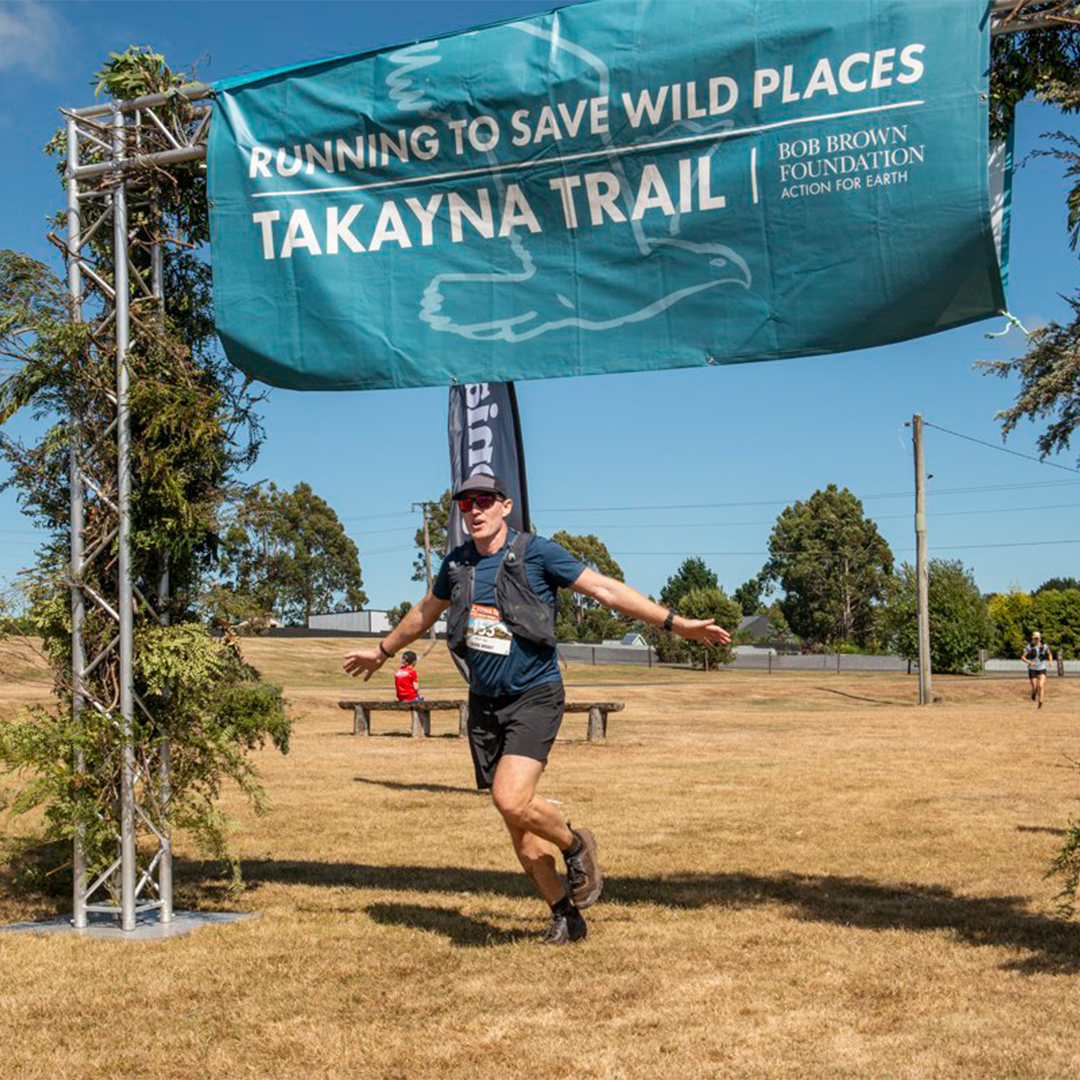
Then Saxon went to takayna.
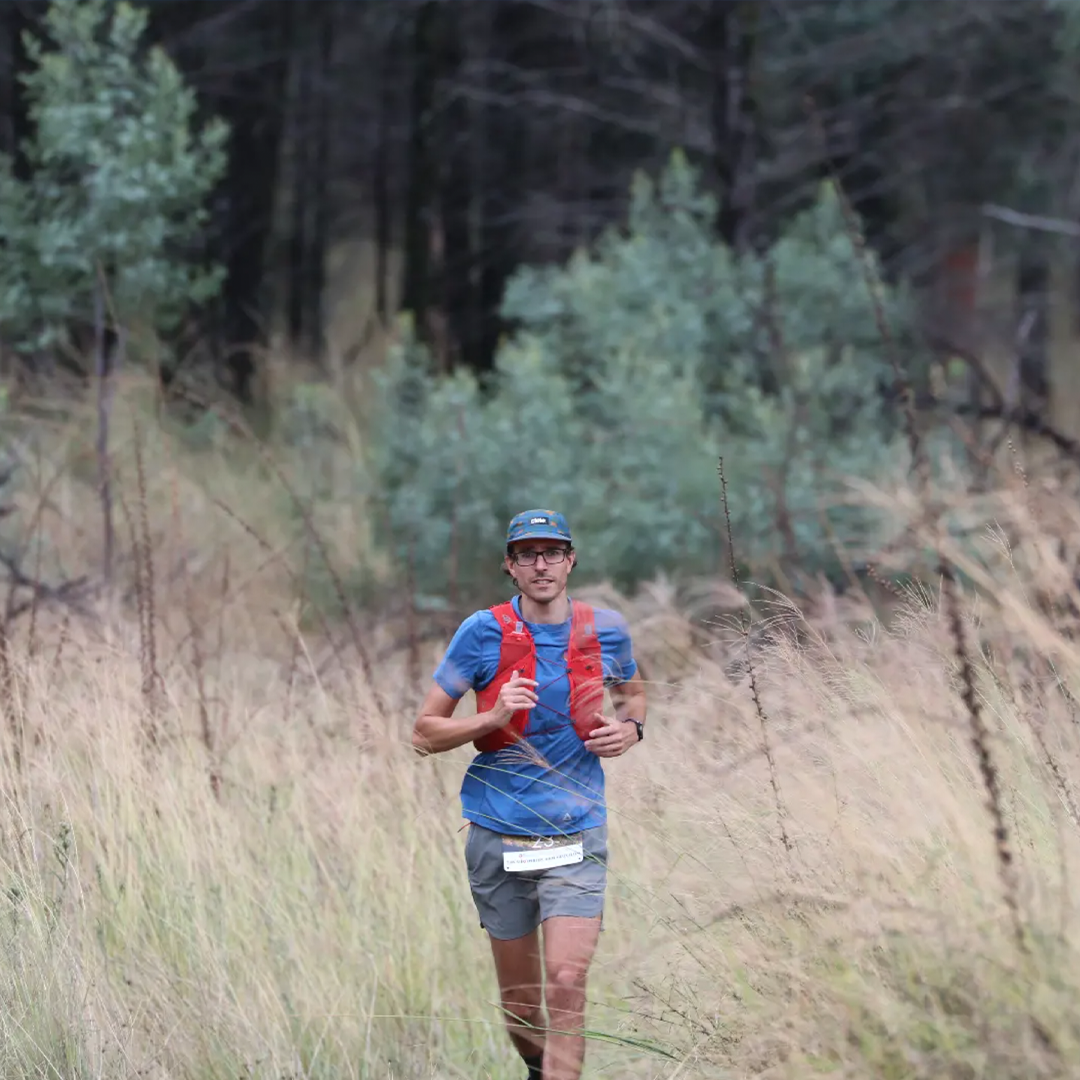
He had not gone first as a sponsor or a brand representative. He went as a runner. He loved the event, connected with the place, and wanted to support it. From there, Pablo & Rusty’s became involved through coffee, fundraising, sponsorship and staff participation.
When asked what changes when someone moves from seeing a campaign online to actually being in a threatened place, Saxon’s answer was immediate.
“Oh, it changes everything.”
For him, running is a uniquely physical way of knowing a place.
“You experience the smell, the sound, the temperature,” he said. “Everything about it just comes alive. You can look at a video and that’s great, but it’s nothing to run through a space and to feel the extent of it.”
That experience becomes even more powerful when the place is at risk.
“When you know that is in danger or that’s an at-risk zone, it just amplifies it.”
This is one of the reasons events like takayna Trail and Pilliga Ultra matter. They give people a way in. They create an access point to landscapes that might otherwise feel distant, unknown or hard to approach.
For Saxon, that access point is critical.
“Trail running and trail races like that are so profound because they give you a way in, an appreciation, understanding through the information, through the sharing, through the insights, and through that practical experience.”
That practical experience is where awareness becomes personal.
From takayna to the Pilliga
For Wild Places grew from the same belief: that people protect what they know, and that connection to place can become a pathway to action.
Today, one of FWP’s major place-based projects is Pilliga Ultra, held on Gomeroi Country in north-west NSW. The Pilliga is not yet a familiar place to many Australians. Even among runners, it is not the first landscape that comes to mind when people think of trail running. Saxon said the same.
“The Pilliga is a place that I would not think to go for a trail run, just because I don’t know,” he said. “But you hear about it and it’s good enough for someone to stage an event there, it’s like, well, geez, if someone’s willing to set up a race and show me through it and I can be part of that, then amazing.”
That is the opportunity.
A place can move from unknown, to interesting, to loved, to defended.
For Wild Places is working to make that journey more intentional: through Pilliga Ultra, through the documentary Run For Country, through community storytelling, and through new impact measurement work that asks what actually changes when people connect with a place.
For Saxon, the effect of this kind of place-based experience is not only personal. It ripples outward.
Reflecting on takayna, he spoke about the number of people he has told about the place over the years. Friends, customers, staff, his own children. His children have takayna stickers on their laptops. Their friends ask what it means. The story keeps travelling.
“If I hadn’t been there, I couldn’t talk about it with the same level of conviction and passion.”
That is exactly the kind of movement For Wild Places is building around the Pilliga.
Not just one event. Not just one weekend. A growing network of people who know the place, talk about it, return to it, support it and bring others into the story.
Businesses need to participate, not just sponsor
One of the clearest messages from Saxon is that business support is strongest when it becomes participatory.
A logo on a website is not the same as showing up.
“The value is the conversations I’ve had when I’m there,” he said. “People seeing that you’re there going, oh wow, you guys are a legit sponsor. You don’t just give cash and want a brand. You actually are here, you’re participating, you’re part of this.”
That does not mean every business needs to start big. In fact, Saxon thinks starting too big can be a mistake.
Businesses can overcommit, fail to see the return, and then disappear. The better pathway is to begin with something achievable and grow from there.
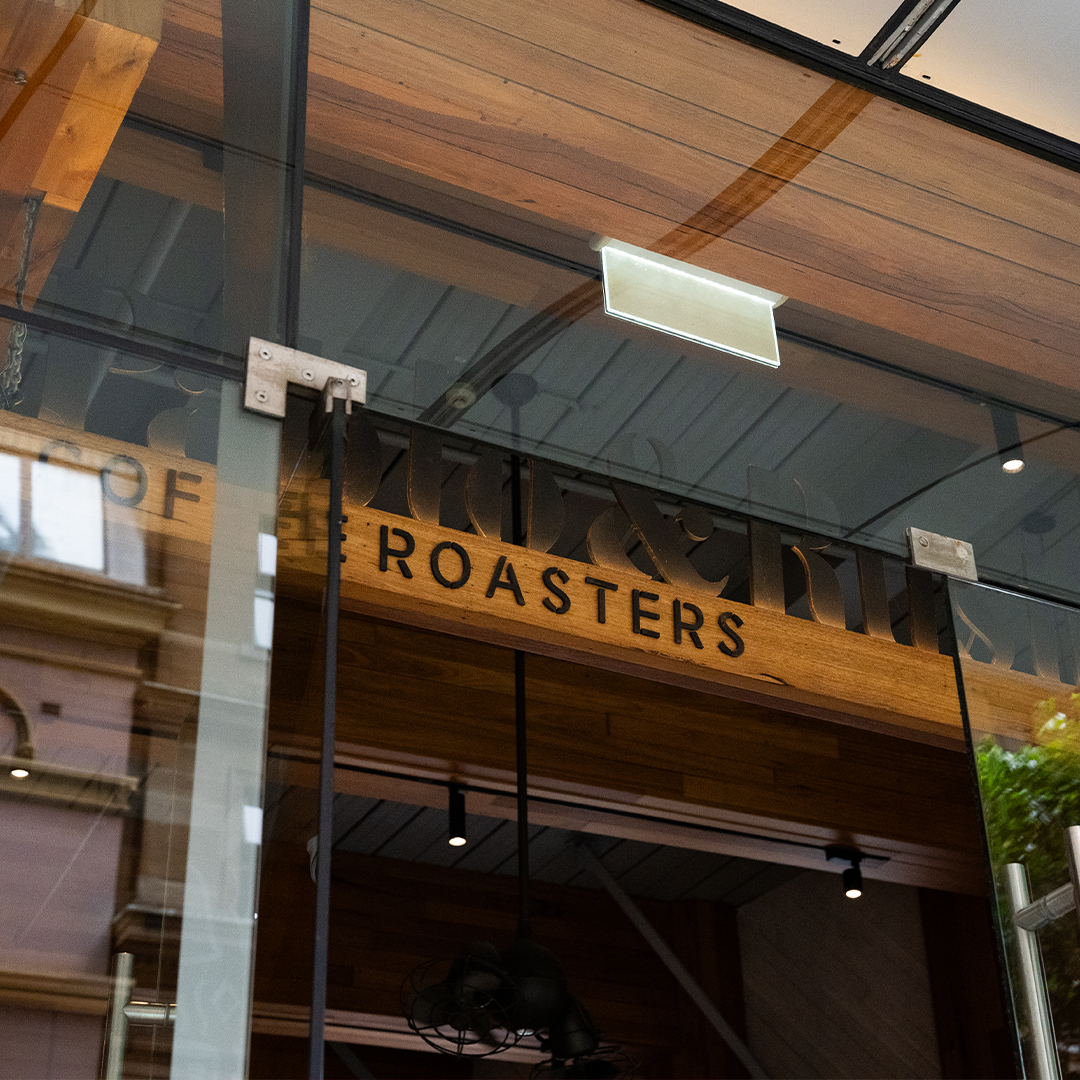
Pablo & Rusty’s started small, providing coffee at trail events. Over time, the organisation built what Saxon calls the “muscle” for deeper involvement.
“Start small, keep building the muscle, keep engaging, see what the staff are engaged in, see what we can afford financially,” he said.
His advice to other businesses is practical.
“Bite off what’s achievable, get involved, and you’ll be surprised.”
That involvement might look like funding staff to attend an event, covering transport costs, sponsoring a van, bringing a team, supplying product, helping with fundraising, or simply making sure someone from the business is there in person.
The point is not the size of the first step. The point is to take it.
Wild places are for everyone
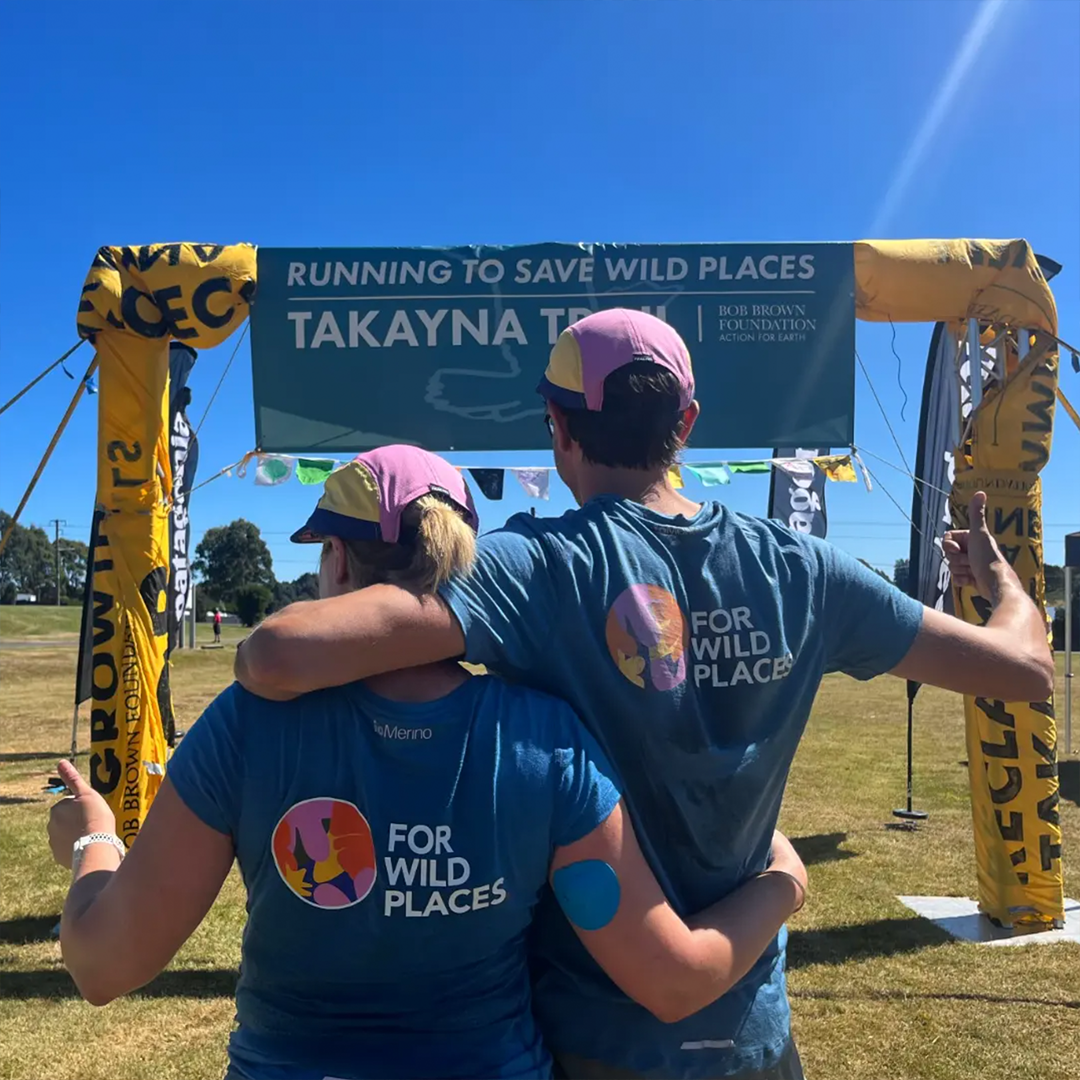
Although the conversation began with running, Saxon is clear that wild places do not belong only to runners. Running may be one way to bring attention to a place, but it is not the only way to care.
“You can still be involved, you can still go and visit places, you can still participate, you can still volunteer, you can still be part of the community,” he said. “You don’t have to be a coffee roaster to enjoy a good coffee.”
For runners, he sees a spectrum of responsibility. At one end is the baseline: do no harm. Leave places well, or better than you found them. Respect the trail, the people, the Country and the community. At the other end is deeper impact: participating in solutions, supporting campaigns, contributing money or skills, telling the story, bringing others along.
Most people will sit somewhere in between. That is okay. What matters is that people recognise they are not separate from the places they move through.
“We all have a responsibility to try and minimise that impact where we can,” Saxon said. “At the same time, how do we do something good on the other side of it?”
That is the invitation: To run lightly. To pay attention. To support the people already caring for these places. To turn personal joy into shared responsibility.
The road ahead
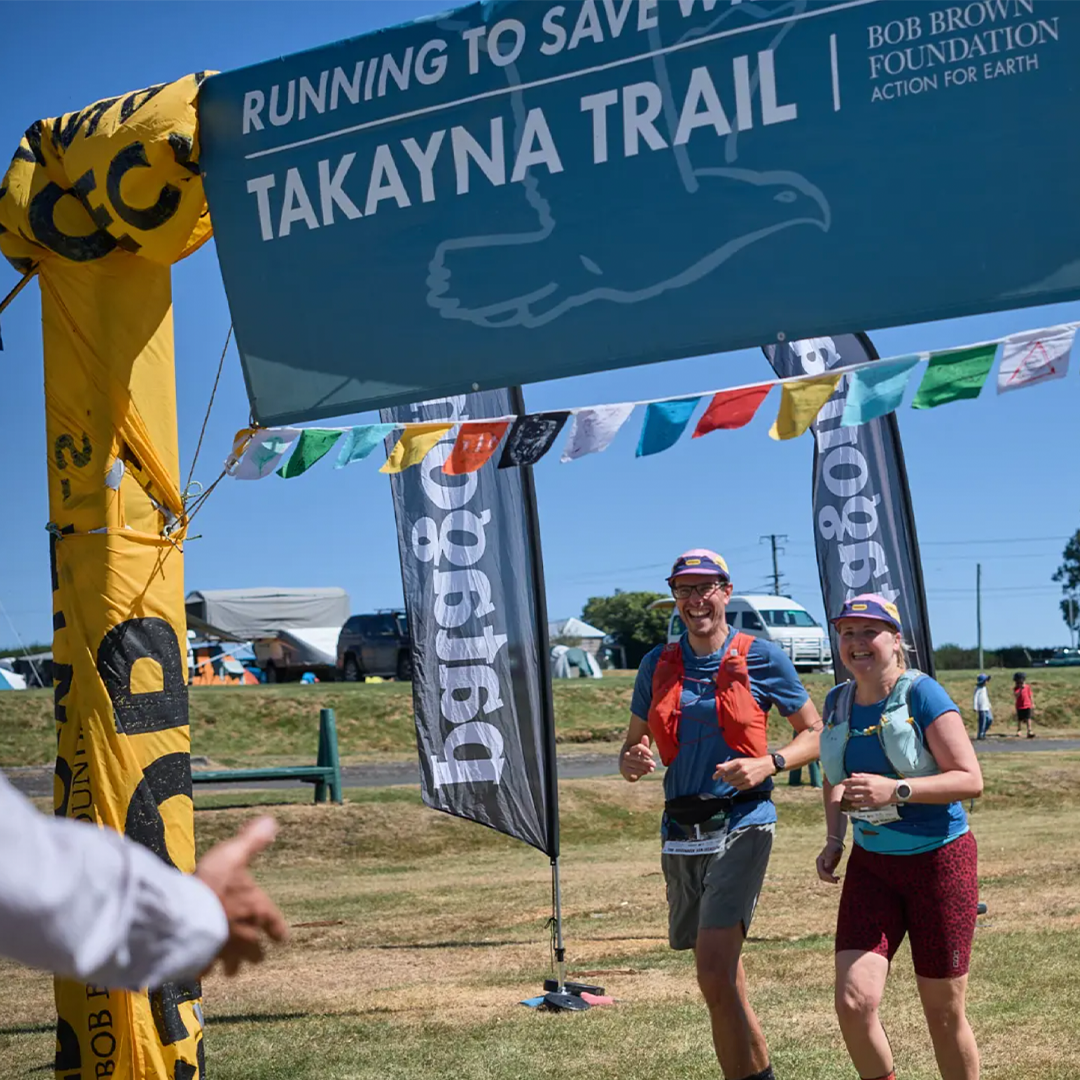
For Wild Places is continuing to build its work around the Pilliga, while also thinking about how to create more opportunities for runners, businesses and communities to connect with wild places across the country.
Saxon’s advice is timely.
He sees value in variety, in keeping people engaged through different places, stories and opportunities. He sees potential in local runs, community gatherings, practical action, and standards that help events do better. He sees the need for businesses to grow into deeper support over time.
Most of all, he sees the power of going there.
Because once you have run through a place, heard it, smelt it, felt it underfoot, and understood what is at stake, it becomes much harder to look away.
That is where running can become more than recreation.
It can become a way to know a place.
A way to share its story.
A way to protect what is still wild.
And, in Saxon’s words, it can become not only an input for the soul, but an output for the planet.
This article is based on a conversation on 13 July 2026 between Tim Siegenbeek van Heukelom, Co-founder and Chair of For Wild Places, and Saxon Wright, founder of Pablo & Rusty’s Coffee Roasters.
Pablo & Rusty’s is a proud supporter of For Wild Places and Pilliga Ultra.
Learn more about For Wild Places and Run For Country
Register for the Pilliga Ultra
Follow For Wild Places on Instagram and Facebook