The coffee industry has spent the last few years dealing with higher green prices, freight increases and a weaker Australian dollar.
Now there is another layer building underneath it all. Energy.
While it may not be as visible as green coffee prices, it plays a role at every stage of the supply chain. And when it moves, it moves quickly.
Why this matters
Coffee is not produced in the Middle East, but it is heavily dependent on energy.
Fuel, gas and electricity sit behind almost everything we do:
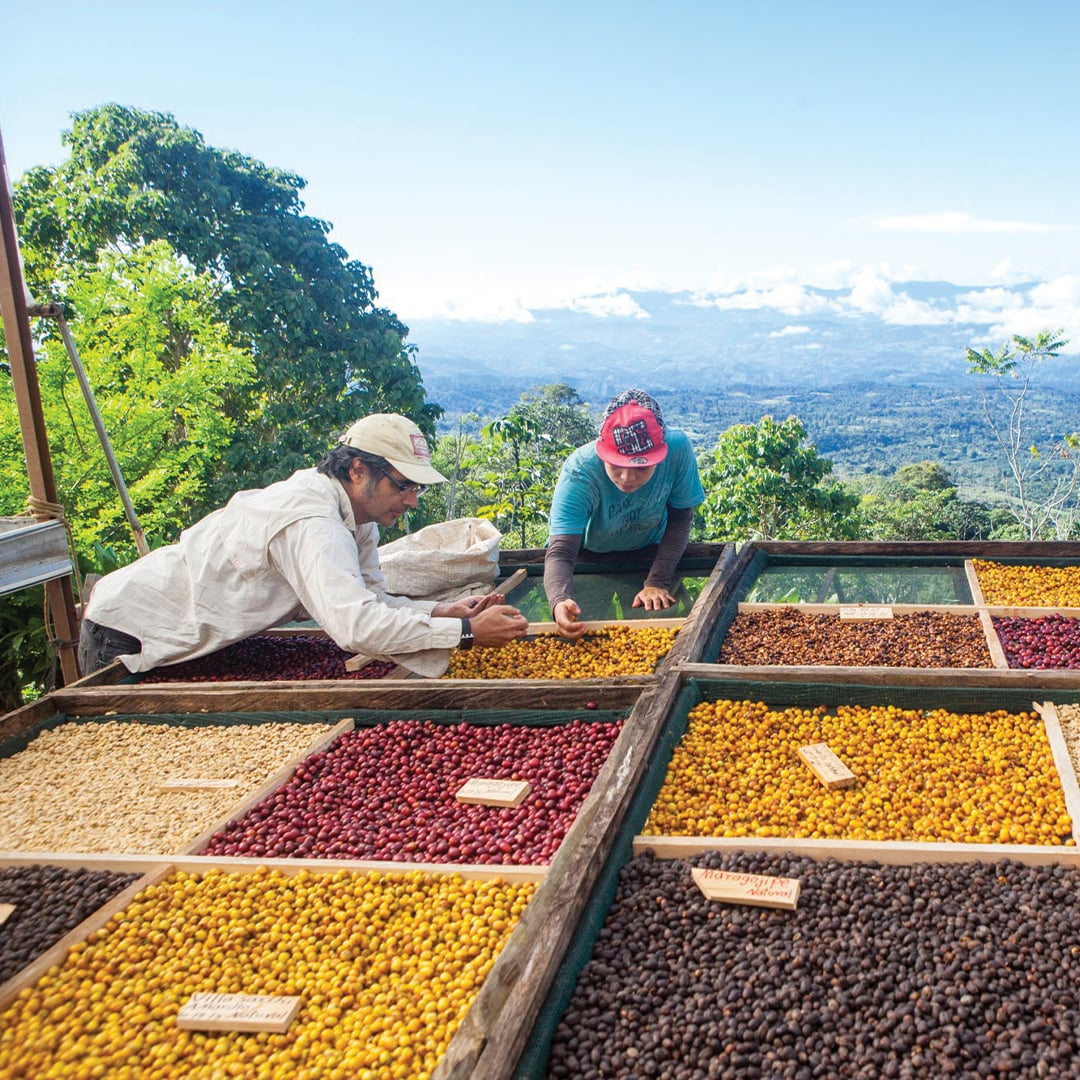
Farming relies on diesel and fertiliser
Shipping depends on global fuel and stable routes
Roasting uses gas or electricity
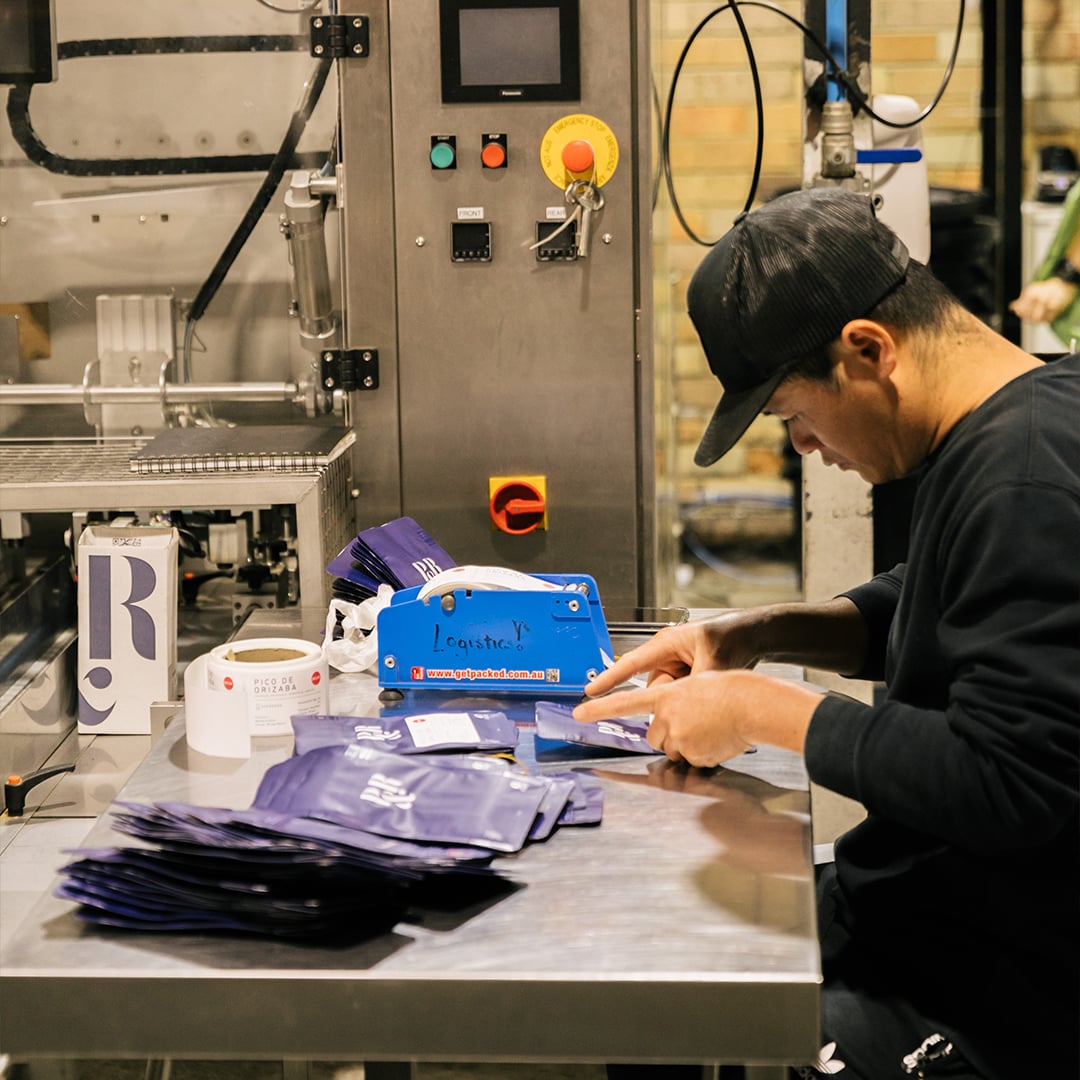
Packaging is energy-intensive
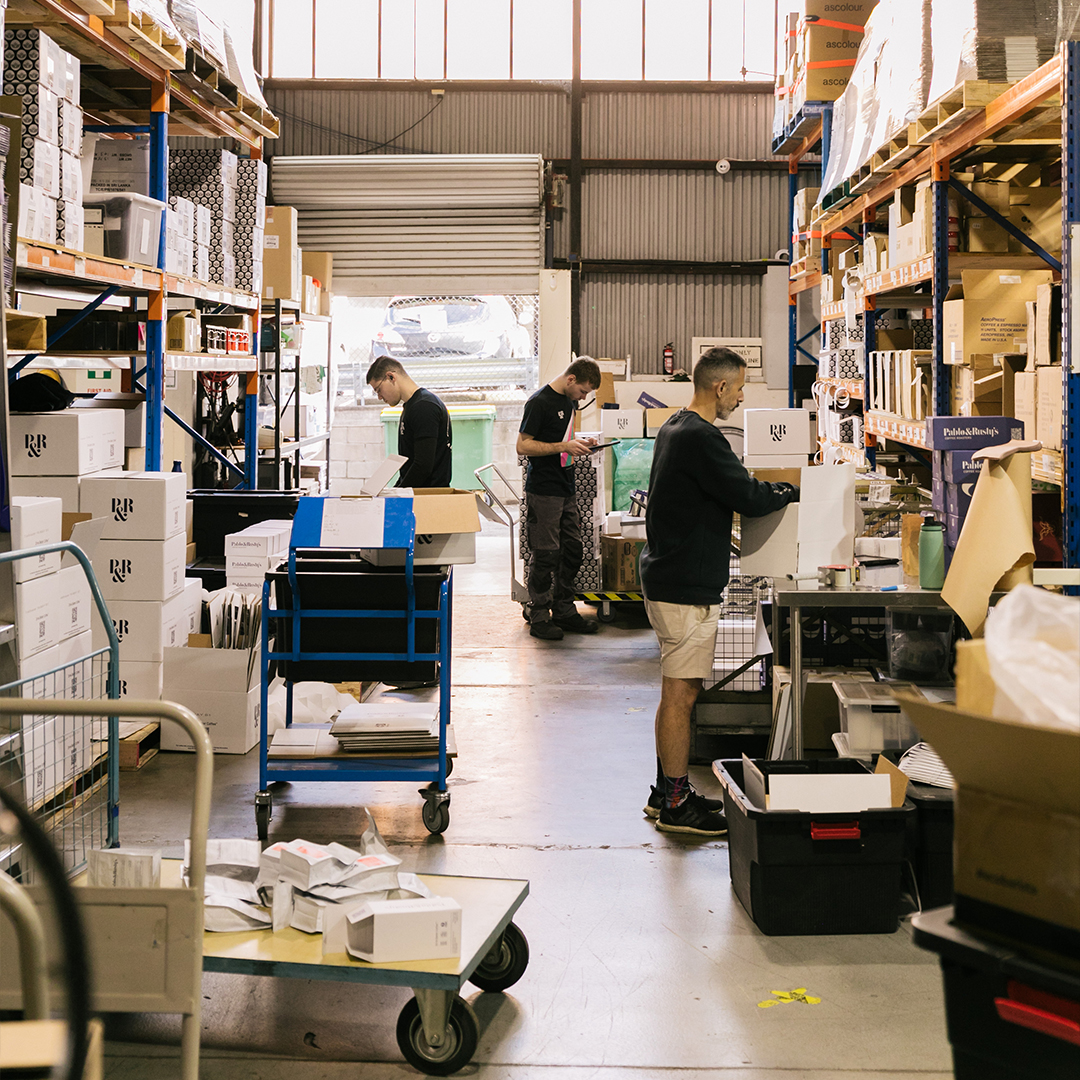
Distribution runs on diesel
This is why even when coffee prices appear stable, underlying costs can still rise.
We have already seen how freight, energy and currency have compounded costs over the past two years, pushing up the landed price of coffee in Australia.
This is a continuation of that trend.
What we are seeing in the short term
At the moment, this is primarily a cost issue rather than a supply issue.
Coffee is still moving through the system. Orders are still being fulfilled.
But the cost of moving goods is increasing quickly.
Over the next one to three months, you are likely to see:
Freight costs increase or become more volatile
Temporary fuel or energy surcharges introduced by suppliers
Delivery costs rise, especially for smaller or more frequent orders
Utility costs begin to trend upwards
These changes tend to appear gradually. Typically, not as one large increase, but as a series of smaller adjustments across multiple inputs.
This reflects broader movements we are seeing across Australia, where fuel prices have risen sharply in response to global events and are now under active monitoring by regulators¹ ² ³ ⁴.

The challenge for cafes
The difficulty is that many of these costs are already sitting on top of previous increases.
Over the past 12 to 24 months, a significant portion of cost increases has not yet been fully passed on to cafes or customers.
This means new pressure does not start from a neutral base. It compounds. In the short term, many businesses may consider absorbing these increases. But that is not sustainable.
What happens next
If energy prices remain elevated, this becomes a structural shift rather than a temporary spike.
Over the next three to twelve months, we expect:
A higher baseline for freight and logistics
Increased roasting and production costs
Ongoing pressure on packaging costs
Gradual (or quick, depending on the level of the crisis) price adjustments across the supply chain
This is similar to what we have seen with green coffee.
What initially looks like temporary volatility often settles into a new normal⁵ ⁶ ⁷.
What to look out for
Rather than focusing on headlines, it is more useful to watch how costs behave across the system.
Key signals include:
Whether freight surcharges become permanent
Changes in delivery minimums or frequency
Supplier pricing behaviour and communication
Movement in energy contracts and utility bills
These indicators provide a clearer view of whether conditions are stabilising or becoming more entrenched⁸ ⁹.

Pricing and the reality at a cup level
At a per cup level, even meaningful increases in costs often translate to relatively small amounts.
However, the issue is cumulative.
Green coffee, labour, rent and energy all move together.
When combined, they create real pressure on margins.
This is why gradual and consistent price adjustments tend to be more sustainable than delayed and significant increases.
This is on top of Australia already having one of the lowest cup prices in the OECD countries as well as cafe margins being at all time lows of under 3%¹⁰ ¹¹.
Coupled with more than 1 in 10 cafes likely to close in the next 12 months, this trend needs consideration and action for survival¹².
Our approach
As a roaster, partner and cafe operator, we are seeing these pressures build across freight, energy and production.
Our focus is on managing this responsibly:
Maintaining transparency
Avoiding sudden or unnecessary increases (where possible)
Using temporary measures where appropriate
Continuing to prioritise quality, consistency and reliability of service
We are considering temporary surcharges or levies to manage short-term volatility (such as $5 per invoice). This includes our own cafes.
The intention is not to permanently reset pricing, but to navigate periods of uncertainty in a measured way.
What cafes should be doing
There is no need to overreact, but it is important to stay ahead of it.
A few practical steps:
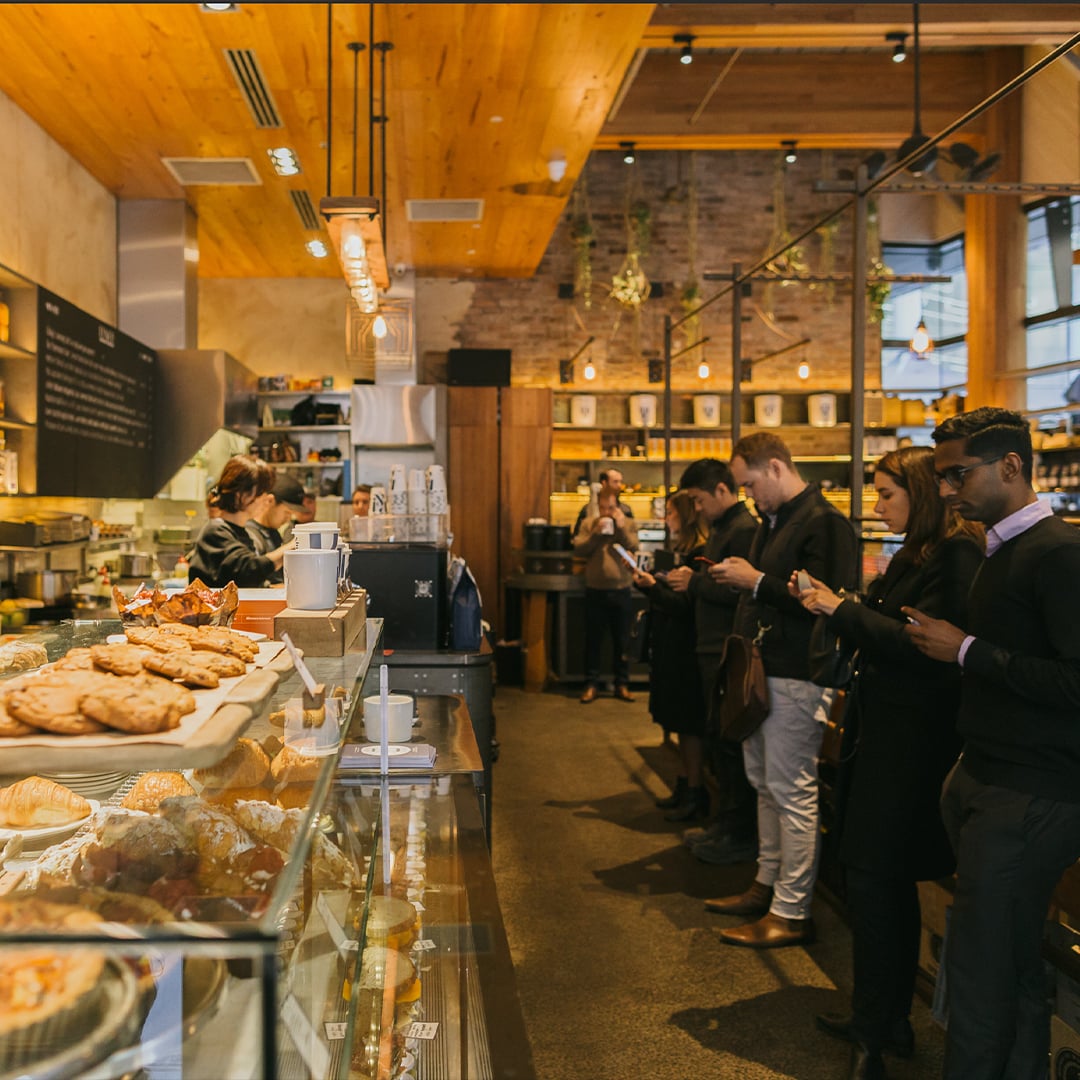
Review your cost base. Look at utilities, delivery costs and cost per cup. Small changes are already flowing through. Might be time to remove menu items that don’t have healthy margins.
Adjust early and gradually. Small, steady price movements are easier for customers to accept than large jumps later.
Consider a temporary levy. The Australian Restaurants and Cafes Association has recommended a 5% temporary surcharge
Stay close to your suppliers. Ask questions. Understand what is temporary and what is likely to stick.
Manage ordering and delivery. Fewer, more efficient orders can help reduce freight exposure. Bearing in mind that some suppliers will increase their minimum order quantity (MOQ) to ensure their deliveries are cost-efficient.
Make sure you keep your staff informed of any changes you need to make. They are often the ones who’ll have to communicate the changes to your customers. Make sure they understand why you're making changes.
Protect quality. Cutting quality rarely solves the problem and often creates a bigger one.
Innovate. Signature beverages, Matcha, cold drinks, automation, batch brew. These all offer a higher price point and better margins. And most importantly, differentiation.
Most importantly, do not fall behind. And do not worry or be alarmed. Fear paralyses. Be alert, have meaningful conversations and prioritise action. We are all in this together, and we have done it before.
The bigger picture
Energy is not a standalone issue.
It sits alongside climate, global demand, trade and currency as part of a broader shift in the coffee industry.
Over time, these factors are reshaping the cost base of coffee¹³ ¹⁴.
What we are seeing now is another step in that process.

Final thoughts
In the short term, expect gradual increases and temporary measures as costs move through the system.
In the medium term, expect a higher baseline across freight, energy and production.
The key is to stay informed, communicate clearly and adjust early rather than late.
Because in coffee, the biggest risk is rarely the increase itself.
It is falling behind it.
Sources
https://www.abc.net.au/news/2026-03-11/accc-monitoring-for-price-gouging-as-fuel-prices-soar/106436210
https://www.energy.gov.au/energy-data/australian-energy-statistics
https://www.fao.org/markets-and-trade/commodities-overview/beverages/coffee/en
https://www.rba.gov.au/publications/smp/2025/aug/economic-conditions.html
https://www.abs.gov.au/statistics/economy/price-indexes-and-inflation
https://www.ibisworld.com/australia/industry/cafes-and-coffee-shops/2015/
https://www.abc.net.au/news/2025-03-19/cafes-hospitality-closures-record-high-as-spending-falls/105052348
https://www.mckinsey.com/industries/consumer-packaged-goods/our-insights#
https://perfectdailygrind.com/2025/11/how-cafes-can-manage-rising-coffee-prices/